

Medicaid expansion was linked to improved insurance coverage, earlier diagnosis, and better survival for NSCLC patients, especially in underserved areas.
Medicaid expansion was linked to improved insurance coverage, earlier diagnosis, and better survival for NSCLC patients, especially in underserved areas.

Cleveland Clinic and Siemens Healthineers signed a 10-year deal to expand imaging, cancer care and staff training.

The results of an Australian mouse-model-based study show that the bladder nerves that detect urinary tract infections may drive the urinary urgency that helps clear infection.
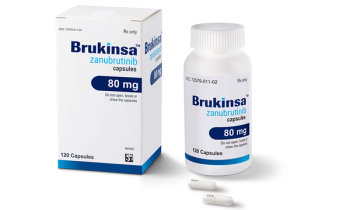
A Brukinsa access program for CLL patients in low- and middle-income countries has been extended through 2028, aiming to reach about 1,000 patients.

Researchers of a systematic review and meta-analysis said there is a need for metabolic and hepatic assessment regardless of weight.
Tiffany Phung, Pharm.D., CSP, of UC Davis Health, discusses an alternative approach to clinical research and practice improvement ahead of HSES 2026.

Additionally, a majority of those surveyed by the law firm DLA Piper were worried about future access to their medications.

A new study found cannabis use was linked to more falls in older adults with HIV, though cigarette smoking explained most of the risk.
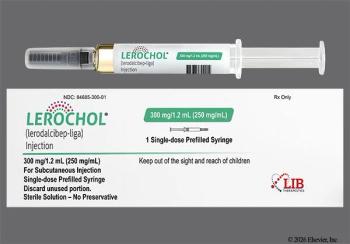
The FDA approved a Lerochol autoinjector and updated its label to reflect a lower risk of major cardiovascular events.

Line-field confocal optical coherence tomography (LC-OCT) and reflectance confocal microscopy (RCM) have good specificity and sensitivity. Cost may be an issue.

A draft ICER report found that baxdrostat and lorundrostat don't lower blood pressure more than older generics but do cost much more.

The REAL Health Providers Act and the CMS National Provider Directory (NPD) initiative will to reshape how provider data is collected, maintained, and enforced.

Healthcare journalist Ken Terry’s new book proposes a subscription-based primary care system as a free-market alternative to Medicare for All.
Will Carroll, Pharm.D., chief pharmacy officer at Sutter Health, discusses strategic priorities and his vision for specialty pharmacy growth.

Perry Cohen, Pharm.D., speaks with Dipak Patel, CEO of Globo, about communication in healthcare, particuarly translation services.
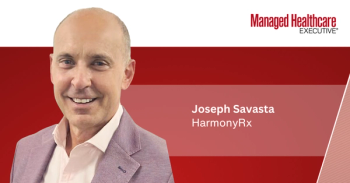
Joseph Savasta, founder and CEO of pharmacy benefit manager HarmonyRx, discusses why the company keeps rejecting acquisition offers amid PBM consolidation.
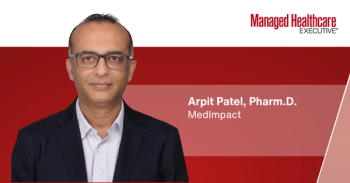
Patel, senior vice president of trade relations and supply chain at MedImpact, discusses his career path and current responsibilities. at MedImpact.
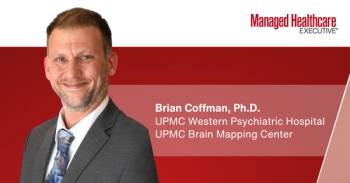
In this discussion, Brian Coffman, Ph.D., Director of the Clinical Neurophysiology Research Laboratory at the UPMC Western Psychiatric Hospital and Director of Research at UPMC Brain Mapping Center, explores how cannabis-associated psychosis may differ biologically from schizophrenia and what these insights mean for patients and clinicians.

Robyn S. Crosson, J.D., VP of government relations at Navitus Health Solutions, has won the PBMI Innovators Award for her work advancing transparency in pharmacy benefits.
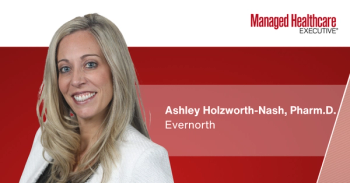
Ashley Holzworth-Nash, Pharm.D., head of product strategy and solutions at Evernorth, discusses her path from the pharmacy counter to shaping care models.
A survey with just over 400 employer respondents showed a declining percentage use one of three large pharmacy benefit managers (PBMs) to manage their drug benefits and coverage.

Novo Nordisk’s ziltivekimab lowers IL-6 heart inflammation but misses MACE reduction in ZEUS phase 3 CVD trial, with higher serious infections risk.
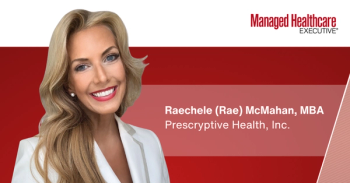
Raechele McMahan of Prescryptive Health says a cancer diagnosis at 17 and her son's type 1 diabetes made health care access personal before professional.
CMS has finalized a rule cutting federal Medicaid and CHIP funding for gender-affirming care for minors, effective Oct. 13, 2026.

Lower levels of the protein IQGAP2 were linked to more aggressive esophageal squamous cell carcinoma and worse survival.
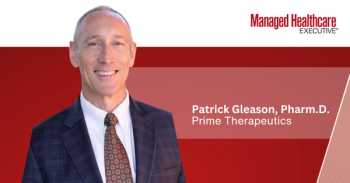
Patrick Gleason, Pharm.D., of Prime Therapeutics was named a 2026 PBMI Innovator for his work on cost-effective formulary strategy and real-world evidence generation.

Online drug platforms are expanding quickly, but lower sticker prices do not always mean lower total costs for employees or better coordination of care.

Robyn S. Crosson, J.D., of Navitus Health Solutions, Elizabeth Mitchell of Purchaser Business Group on Health and Kathy W. Oubre, M.S., of the Pontchartrain Cancer Center, discussed PBM reform and transparency during an MHE webinar today.
Under CMS's new Medicaid work rule, a qualifying medical condition alone won't exempt enrollees. They must also show impairment in a daily living activity.

Awiqli is the first once-weekly basal insulin for Type 2 diabetes. It has a list price of $99 a package and is also available for a $35 copay for eligible patients.