IBX and Jefferson target earlier dementia diagnosis, support caregivers and use AI data to keep patients safely at home and cut costs in new dementia care program.

IBX and Jefferson target earlier dementia diagnosis, support caregivers and use AI data to keep patients safely at home and cut costs in new dementia care program.

The FDA has approved Icotyde as the first and only IL-23R targeted oral peptide for the treatment of moderate-to-severe plaque psoriasis.

A retrospective study found similar survival outcomes whether immunotherapy was started with the first chemotherapy cycle or delayed to later cycles in patients with extensive-stage small cell lung cancer.

In Florida, abrupt cuts to HIV medication and insurance support are forcing patients off trusted regimens, exposing dangerous coverage gaps, and illustrating how policy decisions can quietly drive up both human and financial costs in the U.S. healthcare system.

Prime Therapeutics’ IntegratedRx gives prescribers and pharmacists a shared, real-time view of patient records, improving patients’ experience and better outcomes.


Researchers found that patients who had a prescription sent to an outside pharmacy had 60% higher odds of not picking up a prescription.

A new research review suggests menopause may worsen obsessive-compulsive disorder symptoms for some women, with more than a quarter reporting increased severity during the transition.

Nearly half of trial participants reported significant fear of melanoma recurrence, especially women, younger patients, and those with higher anxiety or depression.

Advocate Health, Tenet Health, Mass General Brigham, Trinity Health and the Mayo Clinic are among the hospital and health system organizations that spent more than $1 million on federal government lobbying in 2024, according to study published in JAMA Health Forum.

Utah's Office of Artificial Intelligence Policy has approved demonstration projects testing AI for prescription drug renewals and certain dental diagnoses.

Primary care dementia program adds community health workers to streamline screening, workups, and family guidance for earlier Alzheimer’s care.

The FDA has approved Cosentyx as the first interleukin-17A (IL-17A) inhibitor approved for pediatric hidradenitis suppurativa.

Demonstration projects testing AI for prescription renewals and certain dental diagnoses have been approved by Utah's Office of Artificial Intelligence Policy.

Two surveys from West Health and Gallup find that healthcare affordability is a significant economic issue that affects nearly every aspect of life.

The state of Oregon has a commitment to keeping people covered and created a bridge program that extended Medicaid eligibility, Hunter noted.

Shorter hospital stays are a "good barometer" for quality and patient experience, says Risant Health CEO Jaewon Ryu.

Women going through perimenopause who feel lonely and socially isolated are more likely to report memory and cognitive difficulties than those who report neither, with the highest risk seen in those experiencing both.


In an overview of systematic reviews, researchers found that opioid analgesics have a role in the management of some acute pain conditions, such as postsurgical dental pain, with moderate evidence.

The costs are high, and the care system is designed for episodic intervention, “but then what happens?" asks Hunter.

AI-quantified breast arterial calcification independently predicts heart disease, adding value beyond standard risk scores and enabling earlier preventive care.

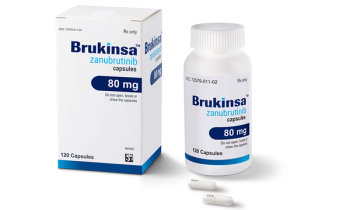
A study across B-cell lymphomas shows zanubrutinib delivers higher complete and overall response rates than acalabrutinib or ibrutinib, guiding BTK inhibitor choice.


Abarca Health CEO Jason Borschow says making prior authorization frictionless will require trusted frameworks for exchanging data and decision-making that both payers and providers align on.

Employers are bypassing insurers and contracting directly with providers. Direct contracting is not new, but soaring healthcare costs and the weight of fiduciary responsibility are whetting employers’ appetites for this option.


Risant Health comprises Geisinger Health in Pennsylvania and Cone Health in North Carolina. Risant CEO Jaewon Ryu, M.D., J.D., discussed how the two systems are prime candidates for adopting value-based care practices

The decision to withdraw the cancer drug Tazverik from the market was based on emerging data from a trial showing there is a risk of secondary hematological malignancies.

In a new study, researchers have identified six clinical and tumor variables that were significantly associated with a recurrence of melanoma.