Andrew Cox, Pharm.D., MBA
Articles by Andrew Cox, Pharm.D., MBA

Homologous recombination repair gene alterations are found in approximately 29% of men with metastatic hormone-sensitive prostate cancer.By targeting this molecularly defined population up front, investigators sought to intervene before resistance mechanisms emerge.

A new meta-analysis suggests that combining immunotherapy and chemotherapy might be the best choice for treating advanced non-small cell lung cancer.

Until trials confirm that treatment guided by circulating tumor DNA treatment improves survival rather than simply predicting it, the tests remain prognostic tools in search of proven clinical utility.

Blood-based tests are less sensitive but might increase adherence.

Researchers join the hunt for a test that could detect pancreatic cancer at a much earlier, more treatable stage.

Vanderbilt researchers report positive results of a blood-based test of T cell receptor markers that indicate how a patient's immune system is engaging with the tumor over the course of treatment.

Cancer and other diseases leave distinct DNA methylation patterns.

His company has developed and is marketing a blood-based test for liver cancer that Tewarie says would outperform ultrasound scans for finding liver cancer early in people at risk for developing liver cancer.


In a small study of 43 women, those whose whose circulating DNA levles was undetectable, either before starting therapy or after beginning treatment, were more likely to experience stable disease or tumor shrinkage


Findings published In JAMA Oncolog sound a note of caution about repurposing drugs for one type of cancer to another based on biomarkers alone.

NCQA and other groups are developing a HEDIS measure of follow-up after a positive screening test. Meanwhile, a Harris survey shows public support for colorectal screening that would involve just a blood test.

The researchers who conducted the study caution that the largest effect they identified was seen in tumors where progression may be inherently slow.

Tests for the DNA of the HPV virus might replace other ways of monitoring for recurrence in patients with cervical cancer.


FDA proposes MRD-negative and complete response endpoints to fast-track multiple myeloma drug approvals, pushing deeper molecular results over ORR.


Restricting the study to treatment-naive patients allowed researchers to isolate changes due to natural disease.




Post-hoc analysis shows potential of biomarkers for identifying pancreatic patients who respond to treatment.

MHE has a conversation with Renuka Iyer, M.D., who became CMO of NCCN in early December. Iyer is aiming to enhance evidence-based cancer care and expand guidelines for rare cancers and diverse populations.

The medical director of The US Oncology Network discusses adherence to clinical pathways, CAR-T therapy and concerns about the consequences of drug price negotiation under the Inflation Reduction Act.
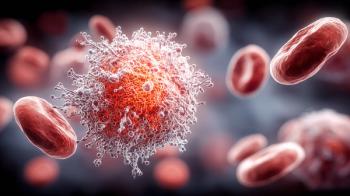
A Brazilian study shows a correlation between circulating tumor cell and overall survival in a trial assessing a treatment of gastric cancer.


The data further identify ctDNA as a dependable biomarker for assessing response to bispecific antibody treatment

By 2020, only 10.8% of adults aged 50 and older had completed both doses of the recombinant zoster vaccine,with 14.1% receiving at least one.

An analysis of patients with stage III colon patients found celecoxib improves survival only in those who are positive for circulating tumor DNA.