



A cost analysis of nearly 30,000 anti-VEGF visits found travel and missed work, not drug price, drive most of patients' out-of-pocket burden.
A cost analysis of nearly 30,000 anti-VEGF visits found travel and missed work, not drug price, drive most of patients' out-of-pocket burden.

A retrospective study of 174,250 retina practice patients found that dismissals, though rare, disproportionately affected younger, lower-income patients with diabetic retinopathy, raising equity and continuity of care concerns.

A mathematical model of one clinic found that step therapy for Vabysmo in patients with diabetic macular edema would cost $380,000 annually and add more than 8,000 staff hours.

Two presentations found that the loss of Good Days copay assistance forced retina patients onto bevacizumab, worsening anatomic outcomes and visual acuity despite more frequent dosing. Researchers said this highlights the importance of copay assistance in maintaining disease stability.

The anti-inflammatory effects of statins may explain the lower risk of proliferative vitreoretinopathy.

On a state-by-state basis, Nebraska had the highest rate and New Jersey had the lowest, according to data presented at ASRS 2026.
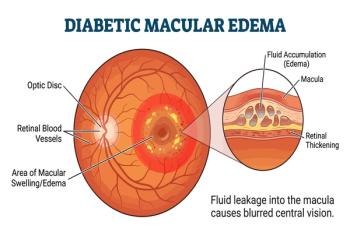
Vabysmo reduced injection burden in both untreated and previously treated patients without impacting vision or retinal thickness in a two-year real-world analysis.

A real-world analysis of nearly 2,700 eyes with diabetic macular edema found about 30% of Eylea HD patients reached 12-week or longer dosing intervals, reducing treatment burden over time.

Results of a real-world evidence study show 40% nonpersistence after a year and 80% by year 7.

Ocular Therapeutix plans to submit a new drug application for the sustained-release axitinib/hydrogel implant to treat patients with wet AMD in the fourth quarter of 2026, under the brand name Axpaxli.

Investigator Charles C. Wykoff, M.D., Ph.D., discusses the mechanism of Zenkuda (tarcocimab) and why there is a need for new anti-vascular endothelial growth factor (VEGF) to treat patients with diabetic retinopathy.
Investigator Charles C. Wykoff, M.D., Ph.D., discusses the full results of the GLOW2 study, which found that Zenkuda (tarcocimab) resulted in improvement in diabetic retinopathy, including in patients who were taking GLP-1 agonists for their diabetes.

Disruption in copay assistance may be one of the reasons.

Real-world results from the ongoing ELARA study found every-four-week Eylea HD produced meaningful BCVA gains with a safety profile consistent with prior aflibercept trials.
Pavblu, an Eylea biosimilar, shows stable vision outcomes and minimal side effects in real-world use, promising a reliable treatment option for patients.

Step therapy by Medicare Advantage plans was also associated with more injections, although that result fell short of meeting statistical significance standards.

Two presentations discussed the significant care disruptions when there are copay assistance shortages, with patients forgoing effective treatments and turning to lower-cost alternatives with worsening outcomes.
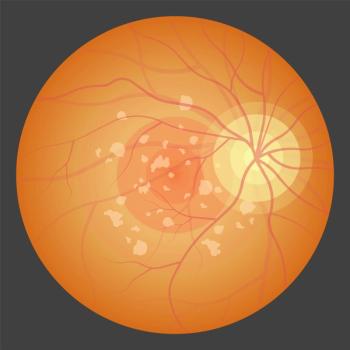
Data from week 156 are favorable and no new safety signals emerged, says researcher.

A new analysis finds that prior authorization for anti-VEGF therapies increases societal costs despite minimal insurer savings, burdening patients, workplaces, and providers.

Ixo-vec reduced anti-VEGF injection frequency and was well tolerated in patients with wet AMD. A phase 3 pivotal trial comparing it with Eylea 2 mg is under way.
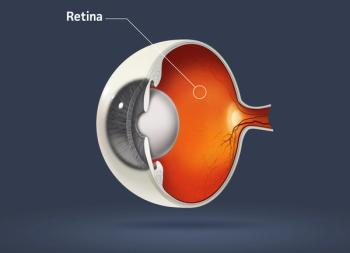
Fluid resolution at week 4 seems to translate into longer dosing intervals at week 96 of the PULSAR trial that assessed Eylea HD in patients with neovascular (wet) age-related macular degeneration.

IRX-101, a new antiseptic tested in patients receiving eye injections for macular degeneration, resulted in less pain and fewer adverse events than povidone-iodine.

Small doses of the involuntary nervous system blocker, atropine, may offer a non-invasive treatment for symptomatic vitreous floaters, according to a recent small study.

Results show dosing intervals increasing by two weeks or longer for patients with diabetic macular edema and neovascular (wet) age-related macular degeneration who switch to Eylea HD.

Anti-VEGF and anti-complement therapies work on distinct mechanisms in age-related macular degeneration, and both may be required to treat patients with advanced disease or complex cases.

Extension study results suggest dosing intervals of 20 weeks or more for Eylea HD for diabetic macular edema.

New insights emerge from ongoing analyses of GA studies, enhancing AMD treatment strategies and patient management at Bay Area Retina Associates.
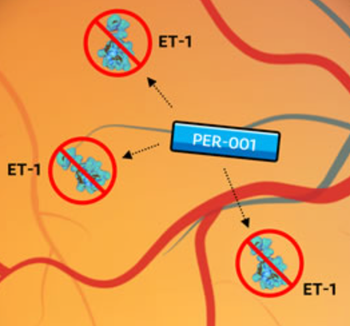
PER-001, delivered through a slow-release, dissolvable implant in the vitreous cavity of the eye, is designed to block endothelin signaling to increase ocular blood flow and prevent vision loss.
Discover new safety insights on Syfovre for geographic atrophy treatment, as Roger A. Goldberg highlights promising long-term data at ASRS 2025.
New findings reveal Syfovre may protect central vision in macular degeneration patients, delaying vision loss and enhancing treatment strategies.