





HIV
Latest News


A conversation with Sandra A. Springer, M.D., about the power of patient autonomy in HIV treatment and prevention
By Logan Lutton

Low-dose hydrocortisone improves attention, learning in women with HIV, trial finds
By Logan Lutton
Advertisement
Latest Videos








Shorts

1:06
Anti-sanctuary policies linked to rising HIV rates in Hispanic communities
21 days ago
by
Logan Lutton

0:43
Patient choice and policy advocacy go hand in hand in HIV prevention
23 days ago
by
Logan Lutton

1:07
Viral suppression alone isn’t enough for women with HIV
2 months ago
by
Logan Lutton
1:12
Some HIV patients feel like their providers want to punish them
3 months ago
by
Logan Lutton

0:47
The difference between stigma and shame
4 months ago
by
Logan Lutton

1:04
When the pastor asked church goers to take a sexual health survey
4 months ago
by
Logan Lutton
1:30
From Heated Debate to Health Advocacy: Changing Minds in the Church
4 months ago
by
Logan Lutton

1:09
Navigating the 3 phases of the patient PrEP journey
6 months ago
by
Logan Lutton
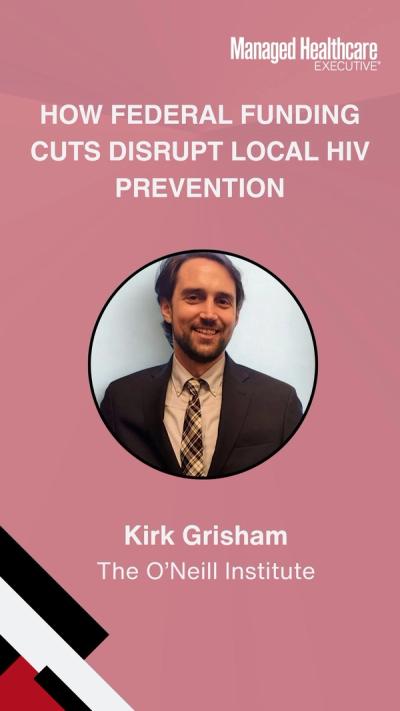
0:43
How federal funding cuts disrupt local HIV prevention
7 months ago
by
Logan Lutton
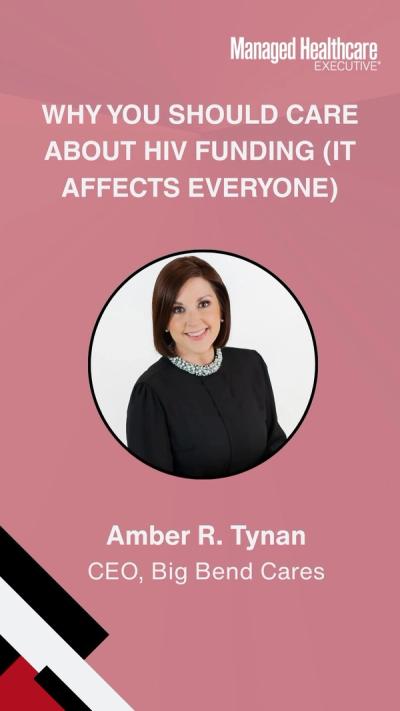
0:42
Why you should care about HIV funding (it affects everyone)
7 months ago
by
Logan Lutton























Advertisement
More News

HIV medication adherence rose after SNAP payments and fell nearly 12 points by the end of the benefit cycle, according to a new study of Philadelphia SNAP beneficiaries.

A new study found cannabis use was linked to more falls in older adults with HIV, though cigarette smoking explained most of the risk.

A South African trial found a doravirine-based HIV regimen caused less weight gain than a dolutegravir-based combination.

In this interview, Edward Machtinger, M.D., a professor of medicine at the University of California, San Francisco, director of the Center to Advance Trauma-Informed Healthcare and co-director of the Women's HIV Program, explains that many women with HIV actually die from issues like mental health problems, addiction, stigma, and violence rather than the virus itself, and he says we need better ways to capture these realities and provide more supportive, trauma-informed care.

A new study in JAMA Network Open projects that the number of Medicare beneficiaries 65 and older living with HIV will grow from approximately 122,000 to 194,000 by 2035, driving cumulative Medicare costs of $187.2 billion, with antiretroviral therapy alone accounting for 63% of that spending.

Abigail Batchelder, M.P.H., Ph.D., clinical psychologist and associate professor at Boston University, explains the effect that shame can have on the healthcare outcomes of HIV patients and why “explicit compassion” is a step in the right direction when treating these individuals.

By partnering with pastors to navigate religious taboos and collaborating with public health agencies, researchers Jannette Berkley-Patton, Ph.D., and Kathryn Derose, Ph.D., demonstrated that African American churches — long-standing pillars of their communities — can serve as trusted, effective sites for HIV testing that reach not only congregants but also the broader community, helping to address the disproportionate impact of HIV on African Americans.

Young adults with HIV who experience financial instability are significantly more likely to struggle with adhering to antiretroviral therapy, highlighting how economic hardship can directly impact treatment success.

Michael Chancley Jr.’s personal experience with PrEP informs his work at PrEP4All as he advocates for expanded access and equity in HIV prevention amid persistent stigma, provider misinformation and stark racial and gender disparities in PrEP uptake.

The FDA has approved Merck’s once-daily single-tablet HIV treatment Idvynso (doravirine/islatravir) for virologically suppressed adults, based on phase 3 trials showing high rates of maintained viral suppression and generally manageable safety outcomes.

Julie Kendle, Pharm.D., senior director of clinical pharmacy at IPD Analytics, explains the evolution of HIV PrEP from daily oral medications to long-acting injectables and how health policy and payer strategies can improve access, adherence and outcomes.

Nearly all U.S. adolescents who are at risk for HIV are missing out on preexposure prophylaxis, with significant disparities in access based on age, gender and geographic location.

Doctors Without Borders has accused Gilead of restricting access to its HIV prevention drug lenacapavir by refusing humanitarian sales and limiting supply, arguing this is hindering global efforts to expand HIV prevention in high-need regions.

In this conversation, Kirk Grisham, M.P.H., and Vishakh Unnikrishnan, M.P.H., both from the Center for HIV and Infectious Disease Policy at the O’Neill Institute, explain how federal funding cuts are destabilizing state HIV programs and why state leadership and political will now largely determine whether people keep access to HIV prevention and care.

In Florida, abrupt cuts to HIV medication and insurance support are forcing patients off trusted regimens, exposing dangerous coverage gaps, and illustrating how policy decisions can quietly drive up both human and financial costs in the U.S. healthcare system.

A study published in Substance Use and Addiction found that combining nicotine replacement therapy with a rewards-based contingency management program helped people with HIV achieve higher short-term smoking cessation rates than nicotine replacement therapy alone.

Florida has reduced funding and tightened eligibility for its AIDS Drug Assistance Program, limiting access to the widely used HIV medication Biktarvy for thousands of patients, while more than 20 other states consider similar cuts amid rising program costs and stagnant federal funding.

Researchers highlighted the anti-inflammatory benefits of GLP-1 receptor agonists in people with HIV, plus a growing concern over rising STI rates and the cautious promise of doxycycline post-exposure prophylaxis as a partial prevention strategy.

ViiV Healthcare unveiled new data at the Conference on Retroviruses and Opportunistic Infections on next-generation long-acting HIV therapies.

An abstract presented at CROI 2026 found that continuous Medicaid coverage during the COVID-19 public health emergency was associated with decreased dependence on AIDS Drug Assistance Programs.

Zimbabwe has become one of the first countries in the world to launch a national lenacapavir program, introducing the twice-yearly injectable HIV prevention drug as part of its ongoing efforts to reduce new infections and end AIDS as a public health threat.
Florida’s planned AIDS Drug Assistance Program cuts could strip more than 16,000 people of life-saving HIV medications, a move Colleen Kelley, M.D., M.P.H., warns will increase illness, deaths and HIV transmission while sowing fear among already vulnerable patients.

Adolescent and young women are far less likely than men to receive HIV prevention medication despite meeting clinical eligibility and facing substantial HIV risk.

In this interview, Emma Kaplan-Lewis, M.D., clinical quality director for HIV, hepatitis and sexual health services at NYC Health + Hospitals, discusses the results of her latest case study on PrEP uptake and why it’s important to “celebrate success.”

In 2024, 91% of patients receiving care through the Ryan White HIV/AIDS Program were virally suppressed, underscoring the program’s role in improving HIV outcomes.
Advertisement
Advertisement
Trending on Managed Healthcare Executive
1
Christine Johnston on why biosimilars are losing formulary ground
2
Medical debt burdens more than 1 in 4 adults in the U.S., survey finds
3
McKesson, private equity firm buy home infusion company, Option Care Health
4
Medicare Advantage needs fixing. Here are 3 feasible repairs
5