




HIV
Latest News

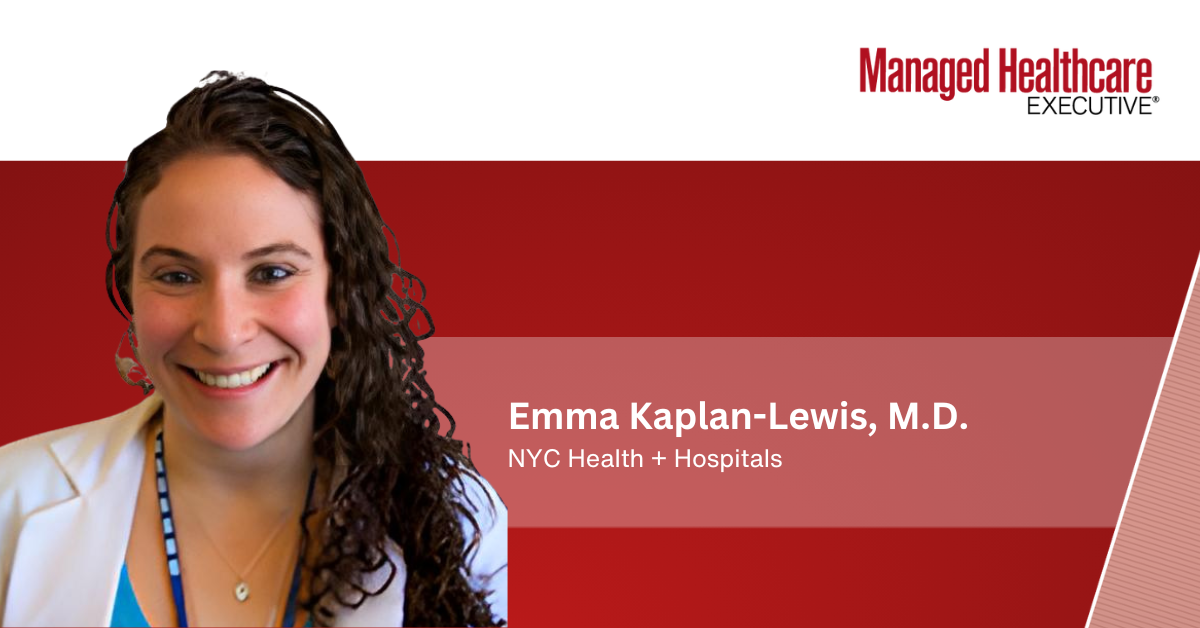
A conversation about improving PrEP uptake in New York City with Emma Kaplan-Lewis, M.D., clinical quality director for HIV, hepatitis and sexual health services at NYC Health + Hospitals
By Logan Lutton
Advertisement
Latest Videos


























Advertisement
More News

Long-term Medicaid expansion was linked to substantial growth in PrEP prescribing, with earlier expansion states seeing far higher PrEP uptake relative to new HIV diagnoses, according to a recent study.
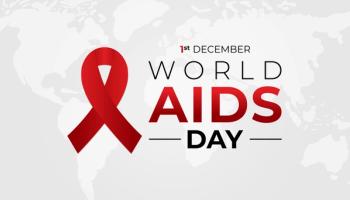
World AIDS Day highlights ongoing challenges in HIV prevention and treatment, urging renewed commitment to end the epidemic and support affected communities.

Nicotine dependency is a worldwide health threat, especially for HIV patients, who are more likely to smoke and to have health complications than healthy patients.
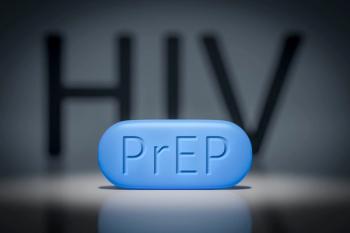
Medicaid expansion increased overall PrEP access in the U.S., but significant racial, gender and structural disparities persist, limiting equitable HIV prevention despite rising national uptake.
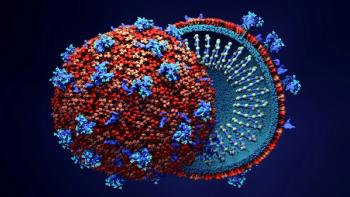
The investigational lenacapavir-bictegravir tablet has the potential to reduce the pill burden of HIV treatment, according to a recent news release.

Although people are living longer with HIV, patients must still grapple with survivors’ remorse and the challenges of growing older within an ageist society.

In a historical public health move, the Maldives has eliminated mother-to-child HIV, syphilis and hepatitis B, which are collectively responsible for millions of deaths annually across the globe.
More than 60 abstracts will be presented from the ViiV portfolio, including updates from the phase 1 crossover study, the first comparing the acceptability and tolerability of long acting cabotegravir and lenacapavir injections after a single dose.

Older adults living with HIV face higher rates of opioid prescribing and opioid use disorder than their HIV-negative peers, according to new research from Rutgers University.
Advances in HIV medication, its window of detection and its transmission risk within the last decade have led to an updated version of the HIV exposure protocol for healthcare personnel.
A decline in PrEP coverage could reverse HIV prevention gains, causing tens of thousands of preventable infections and billions in added healthcare costs, a new JAMA Network Open study finds.

Ongoing research is needed to further explore the best methods for anal cancer detection in people living with HIV, according to a recent review.

For someone with HIV, a mental health disorder may decrease their life expectancy by as many as five years, according to the results of a recent international study.

Sexual and gender minority individuals still face insurance denials and cost-sharing barriers when accessing pre-exposure prophylaxis (PrEP), despite having a Grade A recommendation from the United States Preventive Services Task Force (USPSTF).

Children with HIV face a shortened life span, educational barriers and daily stigma, according to Amir Ardeshir, Ph.D., DVM, associate professor of microbiology and immunology at Tulane University.

HIV-fighting antibodies produced in infant macaques in a preclinical trial could be the future of HIV prevention in humans, according to Amir Ardeshir, Ph.D., DVM, Associate Professor of Microbiology and Immunology at Tulane University.

Access is the central tenet to the success of lenacapavir as a form of preexposure prophylaxis (PrEP), according to Jeremiah Johnson, the executive director of PrEP4All and Mitchell Warren, the executive director of the AIDS Vaccine and Advocacy Coalition (AVAC).

Jeremiah Johnson, executive director of PrEP4All, an organization committed to HIV prevention and care, talks about the importance of preexposure anaphylaxis and why he’s hesitant to jump on the Lenacapavir breakthrough bandwagon.

In this interview, Sarah Morris, chief product officer of Audere, explains why they chose to focus on women and young girls and how they have tailored their program to reach them.

Audere is closing gaps in HIV care and education with the help of Aimee, their artificial intelligence companion designed to reach women and young girls in South Africa, according to Sarah Morris, CPO of Audere.

A national preexposure prophylaxis (PrEP) program would streamline access and improve HIV outcomes but unfortunately never came to pass because of a lack of funding, according to Jeremiah Johnson, executive director, PrEP4All.
If approved, doravirine/islatravir would be the first two-drug HIV treatment regimen without an integrase inhibitor, according to the Merck news release.

Experts and advocates say that twice-a-year HIV PrEP injections have the prevention potential of a vaccine — and that a once-a-year version of lenacapavir would be even better. But will Yeztugo be available to the people who would benefit most from HIV PrEP?
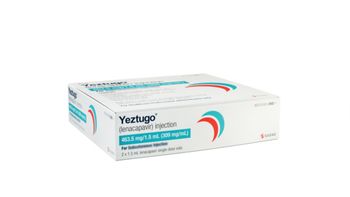
More than 99% effective at preventing HIV in trials, Yeztugo (lenacapavir) is now the first and only twice-yearly option for pre-exposure prophylaxis (PrEP).
A new study found that implementing a specialty pharmacy program at St. Jude Children’s Research Hospital helped more young HIV patients achieve medication adherence and undetectable viral loads.
Advertisement
Advertisement
Trending on Managed Healthcare Executive
1
Christine Johnston on why biosimilars are losing formulary ground
2
Medical debt burdens more than 1 in 4 adults in the U.S., survey finds
3
McKesson, private equity firm buy home infusion company, Option Care Health
4
Medicare Advantage needs fixing. Here are 3 feasible repairs
5