




Autoimmune Diseases
Latest News

Advertisement
Video Series

Latest Videos






























Advertisement
More News
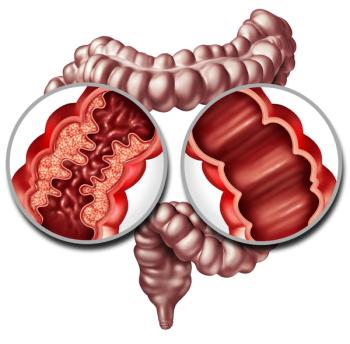
The American Gastroenterological Association has released updated guidelines for treating moderate-to-severe Crohn’s disease, outlining 16 evidence-based recommendations that prioritize advanced therapies and reflect new medication approvals since 2021.

Results from two studies show that fenebrutinib significantly reduced relapses and slowed disease progression when compared with currently available treatments.

New interim safety and efficacy data for primary biliary cholangitis (PBC) treatment Livdelzi (seladelpar) demonstrates sustained itch relief and the potential to slow disease progression.

Early childhood stressors, like divorce, could increase the risk of developing psoriasis later in life, highlighting the importance of emotional well-being, according to the results of a recent Swedish study.

A greater understanding of the association between multiple sclerosis (MS) and the oral microbiome may lead to less invasive dialogistic markers and novel treatment options for patients, according to this recent study by researchers at the University of Iowa Health Care.

Three researchers have been awarded the Nobel Prize in Physiology or Medicine 2025 for the discovery of regulatory T cells, the FOXP3 gene mutation and the role they play within autoimmune diseases.

The exact cause of amyotrophic lateral sclerosis (ALS) has long remained a mystery, but new research demonstrates that there is an autoimmune component to the disease.

Rhapsido is the first and only Bruton’s tyrosine kinase (BTK) inhibitor approved for chronic spontaneous urticaria (CSU).

Tremfya is now the first and only fully subcutaneous IL-23 inhibitor approved to treat both ulcerative colitis and Crohn’s disease.

Elevated levels of the gut hormone GLP-1 and its receptor may worsen brain inflammation and trigger severe symptoms in patients with neuromyelitis optica spectrum disorder (NMOSD), suggesting GLP-1 drugs could pose risks for this rare autoimmune disease.

Results show that GLP-1s may address rheumatoid arthritis (RA) symptoms, independent of established weight loss and cardiac benefits, by reducing the systemic, chronic inflammation associated with RA.

Early immune aging signals emerge in individuals at risk for rheumatoid arthritis, highlighting potential pathways for early intervention and disease prevention.

Veena Joy, U.S. Lead for Strategic Partnerships, Allergy and Autoimmunity at Thermo Fisher Scientific, discusses the latest in autoimmune disease research and explains why it’s a “good storm,” but not a perfect one.

A scleroderma patient in a Sylvester Comprehensive Cancer Center trial was recently successfully treated with CAR T-cell lymphoma therapy, in what researchers are calling an “immunological reset.”

Autoimmune diseases, such as vitiligo, celiac disease and rheumatoid arthritis, are not tied to aluminum exposure from vaccines, according to a nationwide cohort study of approximately 1.2 million children done in Denmark.
The prevalence of autoimmune disease patients with a mental health disorder is almost twice the number of patients without, suggesting there is a link between inflammation and conditions such as depression, anxiety disorder and bipolar disorder.

Extreme weather leads to autoimmune disease flare-ups, which can cause a loss of refrigerated medication, according to the results of recent research from the Autoimmune Association.
Advertisement
Advertisement
Trending on Managed Healthcare Executive
1
Quick Q&A: Sarah Klein on scrutinizing PBM contracts
2
Closing rural maternity care gaps starts close to home, Centene and AAFP leaders say
3
Federal judge vacates HRSA limits on gender-affirming care in Ryan White HIV program
4
For transgender women with HIV, risk awareness and provider trust shape anal cancer follow-up
5