



Opinion|Videos|August 9, 2024
Future Predictions for Intravenous and Subcutaneous Biologics
An expert in the field of rheumatology predicts how the treatment landscape will evolve for intravenous and subcutaneous therapies.
Advertisement
Episodes in this series


Video content above is prompted by the following questions:
- How has the introduction of IV biosimilars impacted your treatment decisions? Do you see a role for subcutaneous biosimilars in the future?
- Do you foresee IV and subcutaneous route of administration always having a role moving forward? How do you see the treatment landscape changing?
Advertisement
Related to this article

Dan Nardi shares how Reimagine Care uses AI triage and connected devices to scale outpatient cancer support, enabling faster, personalized symptom monitoring.

In this interview, Jordan Herring, Ph.D., and Carlos E. Rodriguez-Diaz, Ph.D., MPHE, MCHES, discuss their study, which found a 16.8% increase in HIV incidence rates among Hispanic populations in antisanctuary counties after 2018 immigration policy shifts.

Metabolic dysfunction-associated steatotic liver disease (MASLD) may differ biologically from obesity-linked MASH, a mouse study suggests, with salt driving liver inflammation without obesity.

In this discussion, Ohio State economist Eric Seiber, Ph.D., explains how inconsistent claims-data definitions can skew estimates of first-episode psychosis and why standardization matters for early treatment and sustainable payment models.

CMS’ mandatory GLOBE drug model ties some Medicare Part B rebates to global prices, but cuts projected savings sharply amid shifting Part D premiums.

Bill Kerr of Avalon Heath Solutions says incorporating Z codes into CPT codes for lab and genetic testing would add needed specificity, reduce waste and possibly head off fraud.

States have to turn that information into medical frailty determinations that are clinically credible, consistent, and workable across large Medicaid populations.
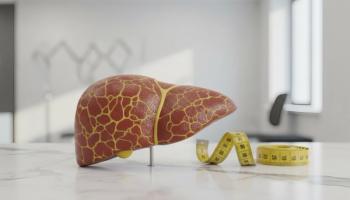
A meta-analysis found steatotic liver disease in 75% of patients with sleep-disordered breathing and that CPAP lowered liver enzymes but not liver fat.
Advertisement
Advertisement
Trending on Managed Healthcare Executive
1
Closing the outpatient monitoring gap in cancer
2
A conversation with Jordan Herring, Ph.D., and Carlos E. Rodriguez-Diaz, Ph.D., MPHE, MCHES, about the relationship between HIV incidence in Hispanic communities and immigration policy
3
New lean MASH mouse model could guide more targeted liver disease treatment in humans
4
A conversation with Eric Seiber, Ph.D., about why defining first-episode psychosis matters
5