






Metabolic Dysfunction-Associated Steatohepatitis
Latest News
Advertisement
Latest Videos

Shorts

1:07
David Feldshon, M.D., on guiding a hesitant patient toward treatment
2 days ago
by
Logan Lutton
0:47
A low-cost approach to MASLD screening
3 days ago
by
Logan Lutton

0:45
The USPSTF guidelines for MASH screening are nonexistent
5 months ago
by
Logan Lutton
0:40
Why do Hispanics and Latinos face higher MASH rates?
5 months ago
by
Logan Lutton
0:44
How MASH hides behind a family history of liver disease
5 months ago
by
Logan Lutton
CME Content














Advertisement
More News
A meta-analysis found steatotic liver disease in 75% of patients with sleep-disordered breathing and that CPAP lowered liver enzymes but not liver fat.

In both mice and human cells, a small molecule selectively blocked the activity of MAP4K4, a protein involved in several major biological pathways.

UC San Diego researchers found that early-onset metabolic dysfunction-associated steatotic liver disease cirrhosis was linked to higher genetic risk and Type 2 diabetes prevalence.
University of Utah Health researchers have shown that a protein involved in cancer growth also plays a role in whether a fatty liver progresses to MASH.

A deficiency in the hormone GDF15 correlates with liver damage biomarkers, suggesting the hormone may protect against MASH progression and offer a new therapeutic target.
Researchers of a systematic review and meta-analysis said there is a need for metabolic and hepatic assessment regardless of weight.
The phase 3 trial will evaluate the efficacy of pemvidutide, a dual glucagon/GLP-1 receptor agonist, in metabolic dysfunction-associated steatohepatitis patients with moderate to advanced fibrosis, using an AI tool to standardize liver biopsy assessment.

A mouse study found that formoterol was able to reduce liver fat, and a real-world analysis found that the asthma drug was associated with fewer complications from advanced liver disease and lower rates of several serious liver-related outcomes, including cirrhosis and all-cause mortality.

Once-weekly zabopegdutide produced weight loss, better glycemic control, and favorable liver enzyme changes in a 67-patient phase 2 trial of patients with MASH.
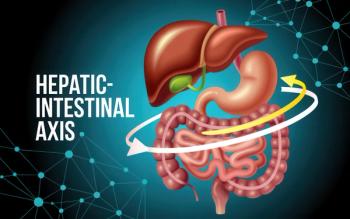
University of Michigan researchers found that the experimental DT-109 reduced liver inflammation and MASH severity in nonhuman primates by targeting Clostridium perfringens and restoring gut barrier integrity.

There are lots of clues. But far more research is needed to find out whether metabolic dysfunction-associated steatotic liver disease (MASLD) plays a causative role in breast cancer.
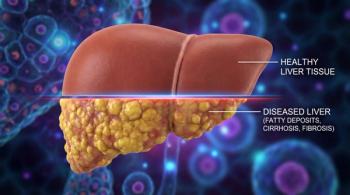
Survodutide is a dual GLP-1/glucagon receptor agonist that was also able to normalize liver fat in 61% of patients with metabolic dysfunction-associated steatotic liver disease.
The investigational drug for late-stage MASH will now get more robust, proactive guidance from U.S. and European regulators.

In mouse models, semaglutide benefited the liver even in the absence of weight loss. The benefit appears to come via a particular type of liver cell.

The company says it made an upfront payment of $25 million for a global license to develop and commercialize the ARO-PHPLA3.
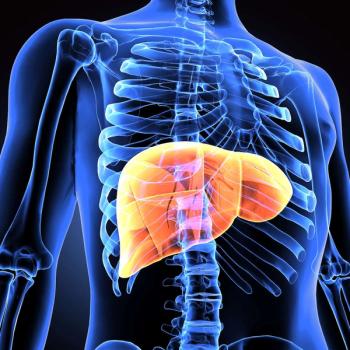
The FDA has approved two drugs for treatment of the condition, Rezdiffra (resmetirom) and Wegovy (semaglutide), the weight loss drug.
Advertisement
Advertisement
Trending on Managed Healthcare Executive
1
Sanofi to acquire Insmed and its bronchiectasis drug Brinsupri for $41 billion
2
How the 2027 Medicare Physician Fee Schedule is going to affect dermatologists and their patients
3
Encouraging sick college students to isolate may cut flu spread, study finds
4
Payer response to the growing number of treatments for hidradenitis suppurativa
5