




Oncology
Latest News
Advertisement
Video Series
Latest Videos






Podcasts

CME Content













Advertisement
More News
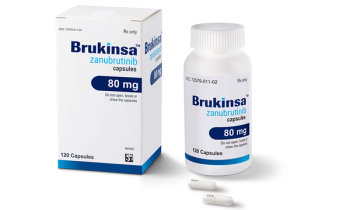
A Brukinsa access program for CLL patients in low- and middle-income countries has been extended through 2028, aiming to reach about 1,000 patients.

Lower levels of the protein IQGAP2 were linked to more aggressive esophageal squamous cell carcinoma and worse survival.
BeOne Medicines posts surging sales as Brukinsa leads blood cancer therapy growth, lifts 2026 outlook and adds new FDA approvals.

Racial gaps in cancer mortality narrowed sharply since the 1990s, led by declines in certain cancer types, but disparities remain.
If approved to treat patients with mantle cell lymphoma, Brukinsa plus rituximab would be the first chemotherapy-free regimen for newly diagnosed patients.

Prior authorization and high out-of-pocket costs impact blood cancer patients' access to oral cancer drugs, according to a poster at the 2026 ASCO Meeting.

Most commercial plans cover SC and IV oncology therapies at parity
Published: | Updated:
Researchers analyzing seven oncology therapies found most U.S. commercial plans treat subcutaneous and IV formulations equally, but five payers enforced IV-preferred policies, according to a poster released at the 2026 ASCO meeting.
Larotrectinib is a kinase inhibitor used to treat adult and pediatric patients with solid tumors that are positive for NTRK gene fusions. Vitraki was the first approved tumor-agnostic therapy.

Real-world data presented at ASCO also show that at 12 month and 24 months, patients treated with Brukinsa had a higher probability of survival than those treated with other BTK inhibitors.
The FDA approved two new cancer drugs this week, one for rare non-Hodgkin lymphoma and another for elderly acute myeloid leukemia patients.

Researchers at the University of Texas Health Science Center at Houston have created an organs-on-a-chip system that could provide a way to study pancreatic cancer biology and predict how therapies may perform in patients.

The FDA has set a Prescription Drug User Fee Act (PDUFA) date of Aug. 25, 2026, for the combination of Tevimbra/Ziihera as a first-line treatment for advanced cancers of the stomach, gastroesophageal junction, and esophagus.
A multinational study found that metformin use was associated with significantly lower odds of esophageal squamous cell carcinoma, supporting further research into its potential role in cancer prevention and treatment.
A review of clinical trials and genetic, immune, and environmental factors revealed that Asian patients with advanced HER2-negative gastric cancer generally experience higher response rates and longer survival with immunotherapy than non-Asian patients.

A March 2026 study found that U.S. cancer patients with hypertension, hyperlipidemia or diabetes face consistently higher healthcare costs, which increased steadily from 2012 to 2018, dropped during the COVID-19 pandemic and remain elevated compared with patients without these conditions.

CLDN18.2-high gastroesophageal cancer appears more common and could predict a stronger HER2 therapy benefit but a weaker immunotherapy response.
A study across B-cell lymphomas shows zanubrutinib delivers higher complete and overall response rates than acalabrutinib or ibrutinib, guiding BTK inhibitor choice.
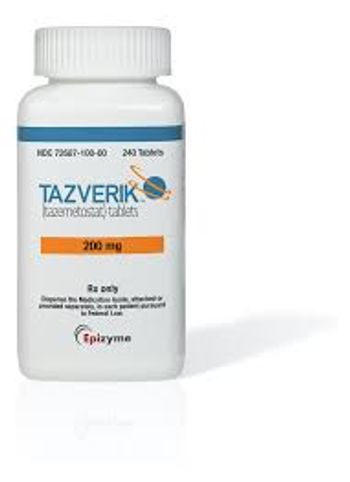
The decision to withdraw the cancer drug Tazverik from the market was based on emerging data from a trial showing there is a risk of secondary hematological malignancies.


FDA reviews tirabrutinib for relapsed/refractory primary CNS lymphoma under accelerated approval, with promising phase 2 response rates and a Dec. 2026 decision.

Real-world China study uses Markov modeling to show surgery may beat radiotherapy on cost per QALY for ESCC, despite higher upfront costs.

COVID-19 care disruptions cut U.S. one-year cancer survival, adding 17,390 deaths; see which cancers and groups were hit hardest.

Study finds transfusion access drives hospice choices in advanced blood cancers, urging new models that offer palliative transfusions with comfort care.

People taking glucagon-like peptide 1 (GLP-1) drugs were 36% less likely to develop colorectal cancer than those taking aspirin, according to a real-world, head-to-head study.
New research reveals how gastric cancer cells exploit WNT signaling for growth, revealing potential treatment targets to combat this deadly disease.
Advertisement
Advertisement
Trending on Managed Healthcare Executive
1
Payer Implications and Final Takeaways from the BE BOLD Trial
2
A conversation with Tiffany Phung, Pharm.D., CSP, about how patient outcomes drive specialty pharmacy strategy
3
The biosimilars market is projected to nearly double — here's where the growth is coming from
4
Journavx helped most patients avoid opioids after surgery, a recent study found
5