






Oncology
Latest News

Advertisement
Latest Videos













Advertisement
More News

People taking glucagon-like peptide 1 (GLP-1) drugs were 36% less likely to develop colorectal cancer than those taking aspirin, according to a real-world, head-to-head study.
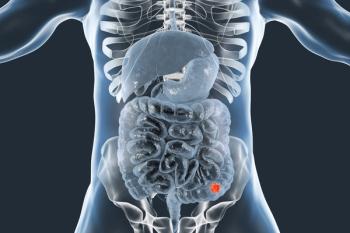
New research reveals how gastric cancer cells exploit WNT signaling for growth, revealing potential treatment targets to combat this deadly disease.

MHE has a conversation with Renuka Iyer, M.D., who became CMO of NCCN in early December. Iyer is aiming to enhance evidence-based cancer care and expand guidelines for rare cancers and diverse populations.

The medical director of The US Oncology Network discusses adherence to clinical pathways, CAR-T therapy and concerns about the consequences of drug price negotiation under the Inflation Reduction Act.

High consumption of ultra-processed foods elevates the risk of early-onset colorectal cancer, highlighting the need for improved dietary quality for prevention.


ASTRO's new guidelines enhance radiation therapy strategies for gastric cancer, improving treatment outcomes and patient care across various stages of the disease.
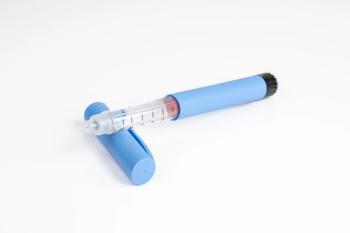
GLP-1 receptor agonists significantly lower five-year mortality in highly obese colon cancer patients, highlighting potential benefits beyond weight loss and inflammation reduction.
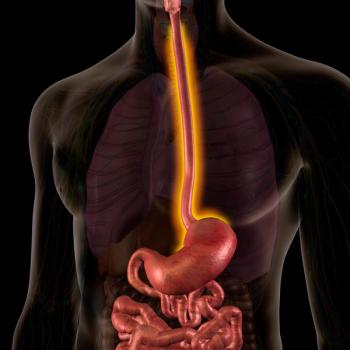

Consistent moderate physical activity significantly reduces the risk of digestive system cancers, highlighting the importance of long-term exercise for prevention.

New findings from the MATTERHORN trial reveal durvalumab combined with FLOT chemotherapy significantly improves survival in early-stage gastric cancer patients.
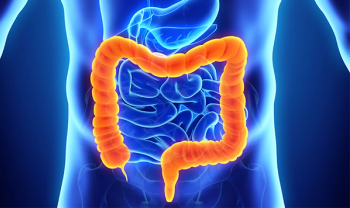
New research clarifies the definition of "cure" in stage II and III colon cancer, highlighting a six-year milestone for patient reassurance and care efficiency.

The Chinorec trial reveals that combining Yervoy and Opdivo with chemoradiotherapy is safe for rectal cancer, though response rates remain unchanged.
Expedited regulatory paths transform colorectal cancer treatment, enhancing access but creating challenges in clinical evidence and payer decisions.

A groundbreaking NLP algorithm accurately identifies precancerous gastric and esophageal conditions from EHRs, enhancing early detection and personalized patient care.

New research uncovers how cancer-induced nerve injury drives resistance to anti-PD-1 therapy, revealing potential strategies to enhance treatment efficacy.

A new prognostic tool combines albumin-prealbumin-globulin ratio and mid-arm circumference to enhance gastric cancer risk stratification and improve patient outcomes.
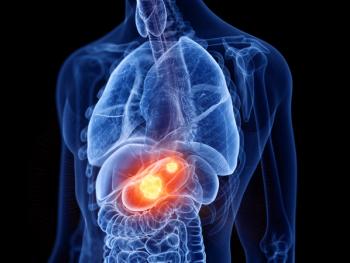
The Destinex assay revolutionizes gastric cancer detection with high accuracy, offering a noninvasive, cost-effective liquid biopsy for early diagnosis.
Researchers reveal ELI-002 2P cancer vaccine shows promise in boosting immune responses for colorectal and pancreatic cancer patients, enhancing survival rates.
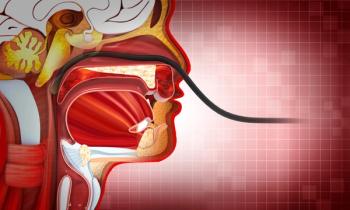
New research highlights the potential risks of skipping nasogastric tubes after esophageal surgery, suggesting they may reduce anastomotic leak rates.

According to the American Cancer Society, about 22,000 new esophageal cancer cases were diagnosed in 2025 in the U.S., and over 16,000 deaths were attributed to the disease. Risk factors for this carcinoma include obesity, gastroesophageal reflux disease (GERD) and Barrett’s esophagus.

Colorectal cancer screening rates in young adults rise with effective outreach strategies, highlighting the importance of FIT kits for early detection.

H. pylori infection significantly contributes to stomach cancer risk, but effective screening and treatment can prevent millions of cases globally.

Private equity acquisitions have increased rapidly across all aspects of healthcare, with gastroenterology practices experiencing the highest share. In the U.S., approximately 13% of gastroenterologists work in practices owned by private equity groups.
Advertisement
Advertisement
Trending on Managed Healthcare Executive
1
Heather Burrell Ward, M.D., on personalizing TMS in schizophrenia
2
Why consumers still can’t comparison shop for medication
3
Teledentistry is a step in closing the gap in dental care
4
FDA approves Lilly’s Onswik, the second once-weekly insulin
5