



CMS transparency rules and AI could bring “Expedia-like” drug price comparisons for consumers, but payer compliance to transparency rules remains low.
CMS transparency rules and AI could bring “Expedia-like” drug price comparisons for consumers, but payer compliance to transparency rules remains low.
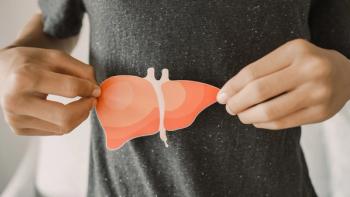
In both mice and human cells, a small molecule selectively blocked the activity of MAP4K4, a protein involved in several major biological pathways.

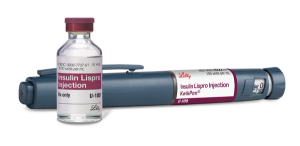
Onswik is approved to improve glycemic control in adults with Type 2 diabetes and will be available in the United States in the coming months in two concentrations. No information is available on the list price.

A new Spherix Global Insights survey shows providers want administrative support for prior authorization while patients prioritize access and affordability

UCLA research suggests that GLP-1 therapies may protect bone health in Type 2 diabetes patients.

UC San Diego researchers found that early-onset metabolic dysfunction-associated steatotic liver disease cirrhosis was linked to higher genetic risk and Type 2 diabetes prevalence.

Pharmacy benefit managers are moving beyond formulary access to provide support programs for women's health. Here's how three PBMs — Judi Health, LucyRx and RxPreferred — are putting that strategy into practice.
Women face more gaps in healthcare than men, from missed screenings, undertreatment and biased coverage. PBMs are launching programs to address some of the gaps.
Navitus launched three modular options that let plan sponsors manage diabetes, weight, and lifestyle therapy access, cost, and outcomes with guaranteed ROI.

StarkRx has launched as a modular, cost-plus pharmacy benefit management company for self-funded employers using Judi Health’s PBM, Judi Rx, to administer claims.

GLP-1 therapies now drive nearly half of prescription drug sales growth, IQVIA's Scott Biggs told PBMI 2026 attendees, reshaping diabetes treatment and pharmacy dispensing economics nationwide.

Federal and state laws now require PBMs to report drug pricing, rebates and prior authorization data, creating compliance challenges, said panelists at PBMI's annual meeting in Orlando.

PBM, employer and pharmacy leaders at the Pharmacy Benefit Management Institute annual meeting said actionable data and real-time technology, not just transparency, are needed to control rising costs.

Women with endometriosis had an overall 46% higher risk of developing Type 2 diabetes. The association was strongest among premenopausal women and women without obesity, groups not traditionally considered high-risk for Type 2 diabetes.

Part D enrollment has shifted: standalone plan offerings are down 22%, while special needs plans grew 21%, reshaping competition among fewer, larger sponsors nationally, finds an analysis by IPD Analytics.

A University of Pennsylvania study found that GLP-1 users with Type 2 diabetes had 37% to 68% higher hair loss rates than patients taking other diabetes medications.

University of Utah Health researchers have shown that a protein involved in cancer growth also plays a role in whether a fatty liver progresses to MASH.
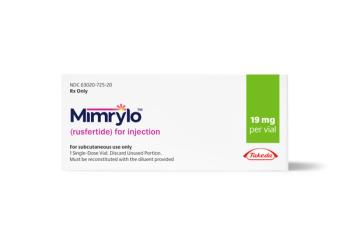
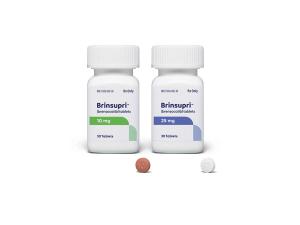
Mimrylo is available now to treat adults with polycythemia vera, a blood cancer that causes the overproduction of red blood cells. It has a list price of $4,200 per vial.
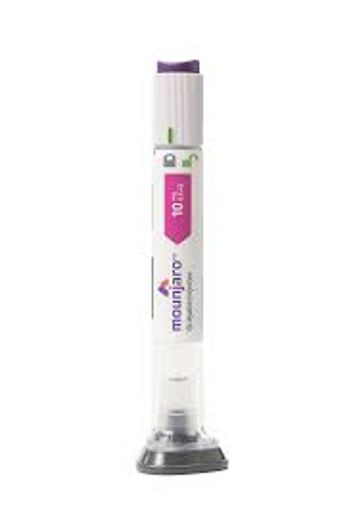
Mounjaro is now approved for two indications: to improve blood sugar in patients with Type 2 diabetes and to lower the major adverse cardiovascular events.

University of Maryland researchers used machine learning models trained on claims data of adults with diabetes to predict monthly risk of nine acute and chronic complications.
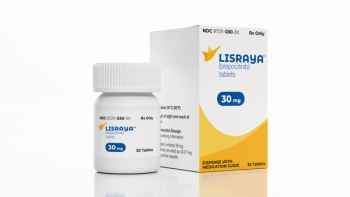
Brepocitinib, now with the brand name Lisraya, treats adults with dermatomyositis, rare autoimmune disease. It is available now, but Priovant Therapeutics has not provided a list price.

A new study from UCLA has found that insurers saw $3,820 lower monthly costs from the use of biosimilars. Cancer patients saved $39.50 in monthly out-of-pocket costs.

Rasonque (daraxonrasib) was approved more than six months ahead of its PDUFA date. It has a wholesale acquisition cost of $39,800 for a 30-day supply.
Over three years, Advocate Health Care is investing $1 billion in health and wellness initiatives in Chicago, including building a new hospital, expanded outpatient services and new workforce development initiatives.
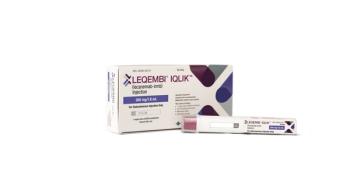
The subcutaneous version of Leqembi has a wholesale acquisition cost of $770 weekly.

A deficiency in the hormone GDF15 correlates with liver damage biomarkers, suggesting the hormone may protect against MASH progression and offer a new therapeutic target.

Genglycos is a one-time infusion to replace the G6PC gene in patients with glycogen storage disease type Ia, a rare genetic disorder. It will have a wholesale acquisition cost of $2.7 million per patient.

Pasatru is approved to treat adults with fibrodysplasia ossificans progressiva (FOP). It will have an annual list pricing range at launch of $693,000 to $2.1 million, depending on dose and patient weight.
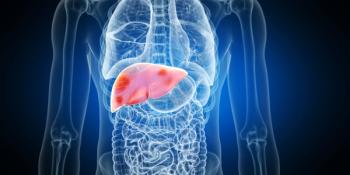
Researchers of a systematic review and meta-analysis said there is a need for metabolic and hepatic assessment regardless of weight.

Additionally, a majority of those surveyed by the law firm DLA Piper were worried about future access to their medications.

Published: June 12th 2026 | Updated: June 16th 2026
Published: March 4th 2026 | Updated: March 9th 2026

Published: February 4th 2026 | Updated: February 9th 2026

Published: August 7th 2025 | Updated: August 14th 2025
Published: August 12th 2025 | Updated: August 14th 2025
September 28th 2021