



ICER’s comparative effectiveness and value review of Wegovy, Zepbound and oral semaglutide finds they are highly effective treatments with significant health benefits, but affordability and long-term management are still unresolved.
ICER’s comparative effectiveness and value review of Wegovy, Zepbound and oral semaglutide finds they are highly effective treatments with significant health benefits, but affordability and long-term management are still unresolved.

Panelists at a session at the Pharmacy Benefit Management Institute’s annual meeting in Orlando discussed how stop-loss insurance addresses rising costs from cell therapies, oncology treatments, and orphan drugs affecting self-funded employer plans.

At the PBMI annual meeting, experts warned that soaring prices for new cancer therapies require greater data sharing, precision medicine and value-based contracts to ensure patients get access to effective treatments without overwhelming costs.

IQVIA’s Scott Briggs forecasts increased GLP-1 drug spending, limited biosimilar savings and patient adherence hurdles for novel therapies at the Pharmacy Benefit Management Institute’s annual meeting in Orlando.
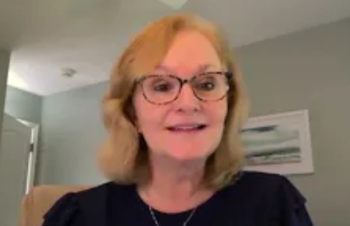
Employers face rising healthcare costs and specialty drug challenges, prompting a shift towards strategic partnerships with PBMs for better solutions, according to Karen van Caulil, Ph.D., president and CEO of the Florida Alliance for Healthcare Value, who chatted with MHE in the final installment of a two-part video interview.
Employers are demanding more transparency and partnership from pharmacy benefit managers (PBMs), according to Karen van Caulil, Ph.D., president and CEO of the Florida Alliance for Healthcare Value, who spoke with MHE ahead of her remarks at the Pharmacy Benefit Management Institute’s annual meeting in Orlando.

New approaches are needed to manage the costs, access and adherence issues related to the GLP-1 drugs, say panelists at the Pharmacy Benefit Management Institute’s annual meeting in Orlando.

Pharmacy and medical benefit programs have traditionally operated separately, despite having similarities. Nishi Goel, Pharm.D., vice president of customer experience, Agadia, is trying to change that.
The growing trend of at-home drug administration emphasizes the need for integrated medical and pharmacy reviews, according to Nishi Goel, Pharm.D., vice president of customer experience, Agadia.

Bildyos and Bilprevda have the same indications as the reference products Prolia and Xgeva and are expected to be available later this year.

Leqembi IQLIK, a subcutaneous version of Leqembi, will launch on Oct. 6, 2025, with a list price of $375 per autoinjector.

Researchers suggest that access to treatment and socioeconomic resources can influence glycemic control and disparities in the management of patients with Type 1 diabetes.

Cadisegliatin acts in the liver to increase the activity of glucokinase, an enzyme that plays a role in regulating blood glucose levels.

In separate announcements, Form Health and 9amHealth said they would provide patients seeking support for obesity care with nutrition and lifestyle support, as well as prescriptions for medications.

Orforglipron will be submitted to global regulatory authorities for the treatment of obesity or for weight loss by the end of 2025, with diabetes submissions to follow in 2026.

A new Business Group on Health survey finds that nearly a quarter of all employer healthcare spending (24%) went to pharmacy expenses in 2024, and employers forecast an 11% to 12% increase in pharmacy costs heading into 2026.
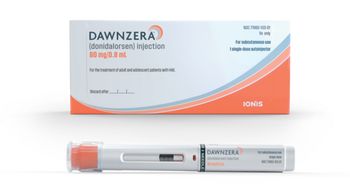
Dawnzera (donidalorsen) will be available in a few days with a list price of $57,462 per dose

The FDA has granted priority review of the sNDA and assigned a goal date of Dec. 20, 2025, for Imcivree to treat patients with acquired hypothalamic obesity, which is caused by an abnormality of the hypothalamus.

A new study finds Medicare beneficiaries are facing higher deductibles and cost-sharing requirements following changes implemented by health plans as a result of the Inflation Reduction Act.

In an analysis from Trilliant Health of 11 inpatient and outpatient procedures, Aetna and UnitedHealthcare had huge variations in rates across the country, across states, and even at the same facility for the same procedures.
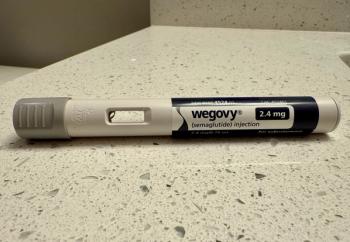
Wegovy is the first GLP-1 drug approved to treat adults with metabolic dysfunction-associated steatohepatitis (MASH). An ongoing study aims to confirm the benefits.

This final part of the three-part video series highlights Sharon Faust of Navitus reflecting on how personal challenges, including her husband’s accident, reshaped her perspective and empowered her to lead boldly in the PBM industry.

The UC Davis team is studying a less invasive way of delivering gene therapy to the eye: injecting the gene therapy into the suprachoroidal space, a tiny layer between the white of the eye and the blood vessels that feed the retina.

To help Medicare plans better manage members with high drug expenses, Prime Therapeutics has launched an AI-driven tool to help plans identify members likely to experience increases in pharmacy costs.

Managing specialty and cancer drugs, as well as the GLP-1 therapies, tops the list of priorities this year and next, according to a survey by the International Foundation of Employee Benefit Plans.
In this second part of a video interview series, it was revealed that Sharon Faust, chief pharmacy officer at Navitus Health Solutions and PBMI Innovator Award winner, works to improve the pharmacy benefit system by promoting transparency, educating others about rules and supporting new business ideas that help patients and use healthcare money wisely.
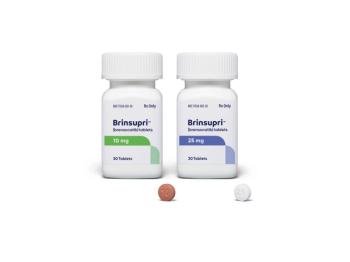
Brinsupri is the first approved therapy to address the underlying inflammatory process of non-cystic fibrosis bronchiectasis (NCFB).

Specialty drug spending rose 9.6% in 2024, but Humira biosimilar adoption is helping to slow cost increases.
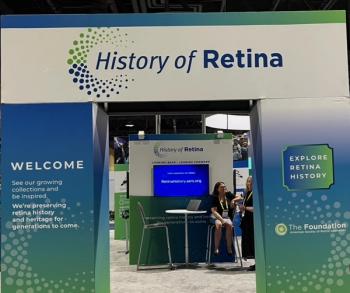
The American Society of Retina Specialists’ History of Retina is an initiative that highlights the milestones and the pioneers in ophthalmology and retinal disease treatment.

Joshua Fredell, Pharm.D., senior vice president at CVS Caremark and PBMI Innovator Award winner, is calling for a PBM industry focus on making pharmacy experiences more seamless while continuing to keep drug costs affordable.