

Regeneron is making Otarmeni, which treats patients with biallelic variants in the OTOF gene, available at no cost. This is the second therapy that was approved under the FDA’s new National Priority Voucher program.
Regeneron is making Otarmeni, which treats patients with biallelic variants in the OTOF gene, available at no cost. This is the second therapy that was approved under the FDA’s new National Priority Voucher program.
In an earning call, UnitedHealth Group executives, including CEO Stephen Hemsley, discussed the company’s strategy, which is focused value-based care, its Medicare Advantage programs transparency, AI and its transparency efforts.

Timely diagnosis of transthyretin amyloid cardiomyopathy (ATTR-CM) could potentially reduce excess healthcare utilization and spending, according to a poster at AMCP annual meeting 2026 in Nashville.

Evernorth’s Nicole A. Caffiero said specialty drugs dominate the pipeline, FDA approvals and the expenditures on pharmaceuticals during a keynote presentation at the AMCP annual meeting.

The Maximum Fair Price (MFP), established by the Inflation Reduction Act, and the Most Favored Nation policy are reshaping how drugs are priced, paid for, and accessed.

The anti-obesity market is now the fourth largest and is expected to grow. The pipeline contains 190 obesity-related products, IQVIA’s Scott Biggs said.

Navitus Health Solutions saw both overall savings and reduced patient costs from the switch to the adalimumab biosimilars. Vanderbilt Health, however, experienced increased adverse events after the biosimilar conversation and further switching to other biosimilars or therapies.

Evaluating the costs and outcomes of alternative funding programs requires balancing financial objectives with patient considerations.



A convergence of legislative and judicial actions is creating PBM transparency, adding fiduciary responsibility, and addressing anti-competitive behavior, participants Jeffrey Hogan and Chad Worz, Pharm.D., said during a webinar sponsored by Managed Healthcare Executive and Drug Topics.
Additionally, Orlando Health — Health Central Hospital is building a new cardiac catheterization laboratory with specialized electrophysiology equipment.
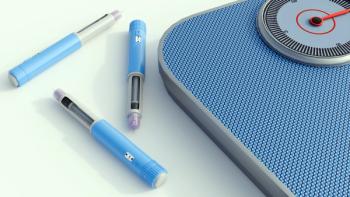
PBMs have launched clinical programs pairing GLP-1 prescriptions with pharmacist coaching, nutrition support, behavioral health partnerships, and digital tools to improve adherence and outcomes.

Yuvezzi treats presbyopia, or blurry vision due to aging, and is available at retail pharmacies or PHIL, an ePharmacy platform.

Lenox Hill Hospital’s controversial $2 billion redevelopment includes a new mental health clinic, a shorter tower, and expanded emergency, surgical, and maternity facilities.

USF Health researchers have discovered how opioid receptors work in reverse, which could allow for medications to boost pain relief without causing dangerous side effects.
A long-term extension trial of 389 patients found Attruby significantly cut death risk in transthyretin amyloid cardiomyopathy, with no new safety concerns identified.
Novo Nordisk is offering the subscriptions through telehealth providers Ro, WeightWatchers and LifeMD. Others are expected to follow.

Preliminary data from a preclinical study show that vialinin-A, a compound isolated from Chinese mushrooms, is an antioxidant that has an anti-inflammatory effect.

Adults with moderate atopic dermatitis reported rapid itch relief, better sleep, and improved daily functioning after eight weeks using Opzelura topical cream.

A new patient survey reveals gaps in treatment persistence and awareness among patients with vitiligo.

Litifilimab, a monoclonal antibody that reduces type-I interferon production and inflammation, has the potential to be a first-in-class targeted therapy for patients with cutaneous lupus.

Nearly half of patients skip care when costs are unclear. Although price estimates are improving, affordability and financial anxiety remain major barriers to accessing healthcare.
Eli Lilly's once-daily oral GLP-1, orforglipron, awaits FDA approval in April 2026. New research shows orforglipron outperforms oral semaglutide for lowering A1C and for weight loss.

More than half of people in a recent survey said they find it difficult to find the lowest-cost option for their medications, and they don’t trust that they are paying the lowest price.
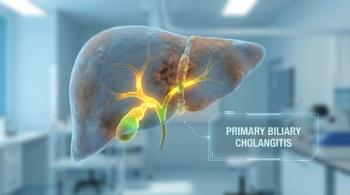
Lynavoy is used to treat cholestatic pruritus, an extreme itch that affects almost 90% of patients with primary biliary cholangitis.

The updated guidance emphasizes earlier intervention through lifestyle changes, expanded cholesterol testing including Lp(a) and coronary artery calcium scoring, and earlier use of medication.