

News|Articles|December 16, 2025
Health system pharmacy leaders are worried about 340B, ACA changes, survey finds
Author(s)Denise Myshko
Listen
0:00 / 0:00
Key Takeaways
- Healthcare policy changes may increase uncompensated care, stressing hospitals and the 340B program, crucial for subsidizing low-income patient care.
- The 340B rebate model, starting in 2026, could erode health system margins, requiring hospitals to seek rebates post-purchase.
A 340B rebate pilot goes into effect in January for the first 10 drugs negotiated by CMS. Cash flow and administrative costs are health systems' biggest concerns.
Advertisement
The uncertainty around the impact of healthcare policy changes is putting pressure on hospitals and health systems, and many pharmacy leaders are thinking about making changes to address a predicted rise in uncompensated care, according to a recent
Several major trends are emerging that could lead to hospitals having to boost their funding of uncompensated care, Tom Kraus, VP of government relations for ASHP, said in an interview with Managed Healthcare Executive.
“As ACA and Medicaid coverage are reduced, hospitals will see more of those uncompensated care patients. That’s going to put more pressure on 340B to cross-subsidize those patients, but 340B is under pressure,” he said. “Hospitals need greater flexibility to cross-subsidize care for that uncompensated population.”
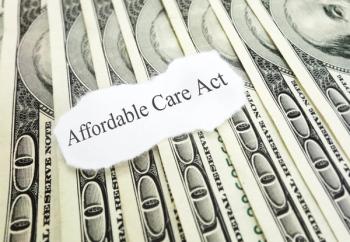
Congress has yet to act on how to address the affordability gap after enhanced subsidies for Affordable Care Act (ACA) health plans expire at the end of the year. The enhanced subsidies were enacted during the COVID-19 public health emergency and extended through the end of 2025 by the Inflation Reduction Act. The loss of the enhanced subsidiaries is expected to increase costs for enrollees at a time when health insurance premiums in general are climbing for a variety of reasons.
If premiums for ACA plans were to double, 1 in 4 people currently covered by an ACA plan would very likely go without coverage, according to a KFF survey conducted in November 2025. KFF has calculated that without the enhanced subsidies, average ACA plan premiums will increase by 114%.
Both parties have introduced healthcare insurance proposals, with Democrats wanting to extend subsidies and Republicans proposing consumer health savings accounts as a way for individuals to pay for healthcare ser. But after several votes, no consensus has been reached.
340B impact
The
340B "covered entities" purchased $81.4 in covered outpatient drugs under the program in 2024, according to the
Addressing potential changes to the 340B program, specifically the introduction of a rebate model, is the most pressing concern among health systems, Kraus said. In ASHP’s survey, 60% of the 298 respondents said that pharmaceutical manufacturers requiring a rebate model was somewhat or very likely and doing so, the respondents indicated, would erode health system margins and revenue.
Beginning in January 2026, HRSA will begin a pilot 340B rebate program for those drugs on the first set of the CMS Medicare drug price negotiation, with the new prices going into effect in January 2026. The voluntary rebate program was announced in a
“Rather than providing the discount upfront off the wholesale acquisition cost, hospitals will have to chase down a rebate from the manufacturer. That means that for a hospital, they need to outlay more cash upfront,” Kraus said. “We’re concerned that at least in some instances, the manufacturer is going to say that hospitals might not be eligible for the rebate, and they’re going to dispute it.
But it’s unlikely that hospitals will have to wait long to be reimbursed, Shawn Gremminger, M.P.P., president and CEO of the National Alliance of Healthcare Purchaser Coalitions, a group that represents the interests of self-insured employers, and an editorial board member of Managed Healthcare Executive, said in a recent interview with MHE editors. “They’re not floating the cost of the drug for months. It’s for a couple of weeks, and most hospitals have plenty of cash on hand to be able to engage in that process; on average, hospitals have 180 days of cash on hand. And we’re not talking about a lot of drugs because [in the pilot] these are just the drugs under the IRA.”
Kraus pointed to hospitals closings as evidence of thin operating margins for some hospitals. “Rebates are common between private parties, but this is a public program that is intended to subsidize safety net hospitals. Congress intended the program to subsidize care, and you’re shifting the dollars to high-margin manufacturers,” he said.
A
Community health centers serve about 52 million Americans, including 20 million in poverty, according to the National Association of Community Health Centers (NACHC), which is calling for an exemption from the 340B rebate model for community health centers.
Gremminger, however, pointed out that many community health centers vary in size, with many being quite large. “I could see a world in which the very, very smallest rural hospitals and community health centers might have a cash challenge,” he said.
Additionally, the costs to implement a rebate program may be small, according to an analysis by
More than half of those who responded to the ASHP survey indicated health systems will adjust and implement strategies to adapt to the changes.
Newsletter
Get the latest industry news, event updates, and more from Managed healthcare Executive.
Advertisement
Related Content
Advertisement



Latest CME





















Advertisement
Advertisement
Trending on Managed Healthcare Executive
1
FAQ: The uncertain future of enhanced ACA premium subsidies and what it means for U.S. healthcare
2
Weakened brain connections linked to cognitive deficits in schizophrenia
3
See which Minnesota healthcare CEOs signed letter calling for 'immediate deescalation of tensions' following shooting of Alex Pretti
4
Could GLP-1s help with cognitive symptoms, pychosis of schizophrenia?
5