





Sleep Disorders
Latest News
Advertisement
Latest Videos

Shorts
























Advertisement
More News

New research suggests that both insufficient and excessive sleep may be linked to faster aging throughout the body and an increased risk of conditions such as depression, diabetes and heart disease.
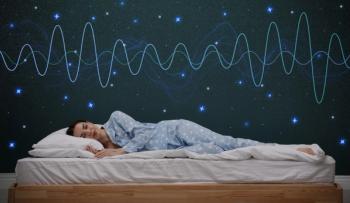
A new study published in Cell Reports suggests the transition between wakefulness and sleep involves four distinct mental states, including dream-like thinking that can occur before a person is fully asleep.
A study in Translational Psychiatry found that adding rTMS to standard care may quickly improve flu-related sleep issues by targeting brain activity and immune responses linked to insomnia.
Adults in rural Appalachian Kentucky are facing a severe sleep crisis when compared to the rest of the country, a trend exacerbated by income inequality
New research suggests that when adolescents sleep, not just how long, may play a significant role in shaping their eating habits and activity levels, particularly during the school year.
Alkermes has initiated a phase 3 clinical program evaluating alixorexton for narcolepsy type 1 and type 2, with additional development underway for idiopathic hypersomnia.

In this Q&A, Jessica Vazzaz explained what evidence supports sonic sleep aids, who benefits and what payers should demand before covering sleep-disorder apps.
More Americans are tracking and changing their sleep habits, but the growing cultural focus on sleep data is also increasing anxiety, with orthosomnia leaving many people awake at night.
Sleep deprivation of 21 hours or more significantly reduces cooperation and overall team performance, causing individuals to prioritize personal success over collective effectiveness while overestimating how well their team is functioning.
Discover the effectiveness of sonic sleep aids, revealing which audio tools truly enhance sleep quality and which may not deliver on their promises.

Existing medications for narcolepsy aim for symptom control. But therapies in development are targeting the specific mechanism of the disease and the brain’s natural sleep-wake cycle.

The findings challenge the conventional view that daytime sleepiness is always a result of insufficient sleep, poor sleep hygiene or classic sleep disorders.

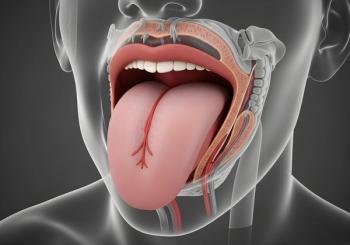
Researchers found that participants with excessive daytime sleepiness had significantly lower maximum tongue pressure, poorer chewing performance and diminished swallowing function.
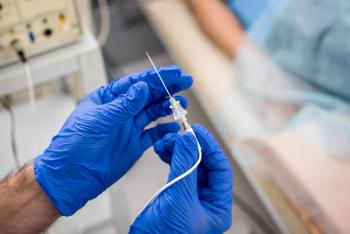
New study shows catheter ablation significantly was associated with a 40% drop in major cardiovascular events and a 70% decline in all-cause mortality for patients with both atrial fibrillation and obstructive sleep apnea.

Researchers at the University of Michigan suggest the findings of their analysis could be used to guide the timing of dosing of drugs for patients with Parkinson’s disease, depression, and other neurological conditions.
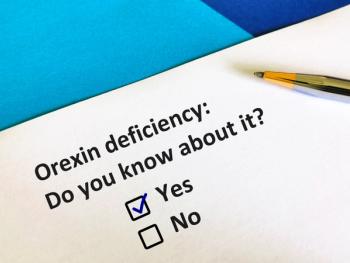
Phase 3 trials showed oveporexton effectively treated narcolepsy type 1 by restoring orexin, a neurotransmitter that regulates sleep and wakefulness signaling.

A large prospective study found large, statistically significant effects of heartburn on sleep quality.
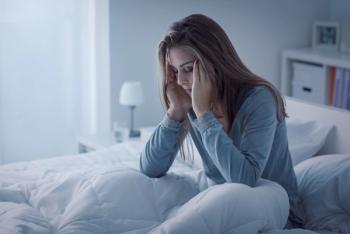
Chronic insomnia has been linked to a variety of mental and physical illnesses. Researchers have found that cognitive behavioral therapy is often effective.
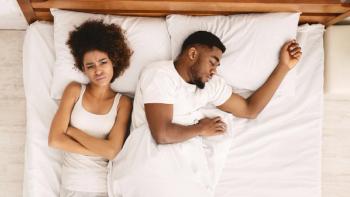
Leaving the room because of how a partner sleeps is surprisingly common, a survey found. People make all sorts of other accommodation, too.
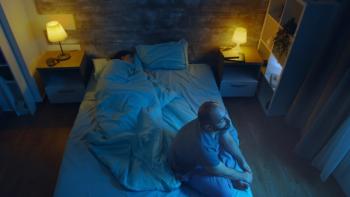
Between 9% and 12% of American adults have insomnia, and 85% of them also are diagnosed with comorbid conditions like type 2 diabetes and dementia. While the numerous health consequences of comorbid insomnia have been well-documented, the additional costs for specific disease groups have not been measured in large studies — until now.
Standard guidelines that insomnia treatment for people with alcohol use disorder be delayed until abstinence is achieved delays therapy for many people — and most patients still struggle with sleep even after successfully quitting alcohol.

Some effects of poor sleep (fatigue, daytime dysfunction) resemble some symptoms of long COVID. As it turns out, infected women who were healthy sleepers before and early in the pandemic were less likely to report long COVID symptoms.

In one of the largest and longest-lasting studies of workplace culture and employees’ sleep patterns, Scandinavian researchers found both a clear link between the two and improved sleep over time when leadership increased psychosocial resources.

Children aged 10 to 14 who identify as sexual minorities (or weren’t sure about their sexual orientation) have more trouble sleeping. Depression and family issues such as conflict with their parents explained part of that difference, according to a new study.
Advertisement
Advertisement
Trending on Managed Healthcare Executive
1
Chronic hand eczema needs more than topical steroids | Fall Clinical Derm 2026
2
Melanoma care is shifting to risk-based screening and treatment before surgery | Fall Clinical Derm 2026
3
U.S. employer-covered healthcare costs: It’s still the prices
4
Combining C-peptide with glucose could help better predict type 1 diabetes
5