Tariffs on patented drugs broaden beyond Big Pharma, and exemptions, MFN deals and origin caps determine rates and potential price pressure.

Briana Contreras is an editor at Managed Healthcare Executive, where she covers the clinical, business and policy developments that matter to payers and health plan leaders, with an additional focus in multiple clinical spaces. Her reporting spans from new cancer therapies and clinical trial data to drug affordability and biosimilars, pharmacy benefit management (PBM) and health plan operations, giving healthcare executives clear context on how new evidence can affect coverage and care decisions.
Experience:
Before joining MHE in 2019, Briana was a reporter at The Morning Journal in Lorain, Ohio, west of Cleveland, where she covered local government, community news and the issues affecting residents across Lorain and Erie counties. She reported on city council, downtown redevelopment, library and school projects, local business, nonprofits and breaking news in Elyria, Lorain and nearby communities.
Education:
Briana graduated from Cleveland State University with a B.A. in Journalism and Promotional Communication.
Tariffs on patented drugs broaden beyond Big Pharma, and exemptions, MFN deals and origin caps determine rates and potential price pressure.

Daiichi Sankyo and Merck pulled their bid for accelerated approval of I-DXd in small cell lung cancer after the FDA found phase 2 data fell short.

Low birth volume fuels rural healthcare obstetric closures, limiting women’s health access—see which hospitals are most at risk.

8-year data show adjuvant Tagrisso boosts survival after surgery for EGFR-mutated NSCLC, reshaping early Lung Cancer care and adherence.

Heart disease became the leading cause of death among Hispanic adults in the U.S. in 2022, and a new American Heart Association statement says risk varies by heritage, with gaps in coverage, language and food access adding to the burden.

Only 19% use AI predictive models in cancer care despite strong belief in impact; 2026 Oncology Care Index highlights reimbursement, training, funding barriers.

AI pathology tool measures lung cancer treatment response after neoadjuvant chemoimmunotherapy with 91% accuracy, speeding NSCLC care while needing review for complete response.

AACR Cancer Progress Report 2026 highlights a 35% U.S. cancer death decline, new FDA advances, persistent disparities, and urgent calls for stronger NIH/NCI funding.

Yellow eyelid Xanthelasma signals hidden high cholesterol and cardiovascular disease risk, tripling heart attack and stroke odds; Negin Yavari, M.D., and her team urge screening.

Rybrevant (amivantamab) plus chemotherapy reached a 34.3-month median survival in EGFR exon 20 insertion-positive lung cancer, Johnson & Johnson said.

Northwell Health reports rising 9/11-linked cancer rates tied to Ground Zero debris, as oncology teams expand screening and treatment for survivors and responders.

Prime Therapeutics taps Manmohan Mahajan as CFO, aiming to curb rising drug costs and expand affordability programs for health plans.

FDA expands accelerated approval of oral sevabertinib for first-line HER2-mutant lung cancer, offering targeted treatment with strong response rates versus standard chemotherapy.

FDA approval brings Abbott’s TactiFlex Duo to AFib ablation, combining RF and pulsed field energy for tailored treatment in complex cases.
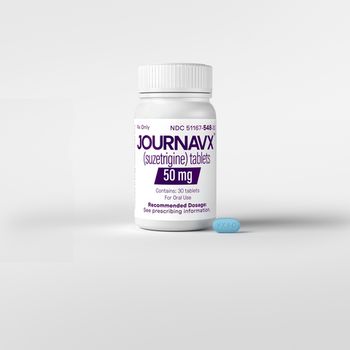
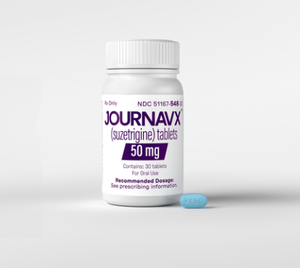
Journavx (suzetrigine) helps 76% of common-surgery patients avoid rescue opioids, signaling a new non-opioid option for acute pain.

Medicare’s GLP-1 Bridge program offers eligible Part D beneficiaries select GLP-1s for weight loss at $50/month, outside Part D, pending BALANCE model.

Shingrix (recombinant shingles vaccine) links to 9% lower cardiovascular disease burden in older adults over seven years, strengthening vaccination value beyond shingles prevention.

BeOne Medicines joins CMS GENEROUS model, aligns future oncology pricing with global markets, and expands U.S. manufacturing to boost access to cancer drugs.
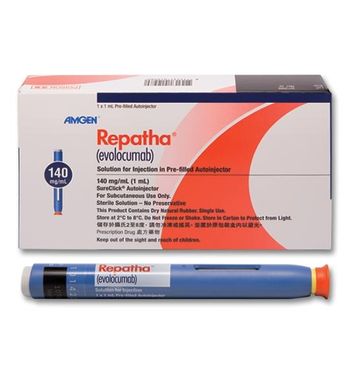
VESALIUS-CV shows Repatha (evolocumab) cuts all-cause death 20% in high-risk CVD patients, preventing future stroke and heart attack.

JAMA Health Forum finds Medicare Advantage members with new complex diagnoses increasingly switch to traditional Medicare, highlighting MediGap barriers, state protections, and plan limits.
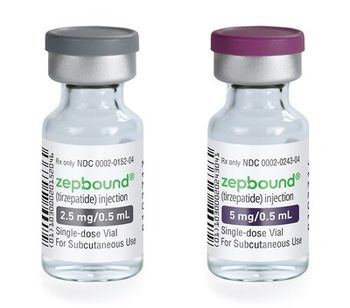
Eli Lilly’s Zepbound real-world study shows older adults with obesity cut non-drug healthcare costs 25% via fewer hospital and ER visits, informing Medicare coverage.

Tevimbra plus Ziihera with chemo raises survival in first-line HER2-positive gastroesophageal cancer, offering a new FDA-approved option.

Stem cell transplants from younger, more mismatched unrelated donors showed favorable one-year outcomes in a new ACCESS trial analysis.

Cleveland Clinic and Siemens Healthineers signed a 10-year deal to expand imaging, cancer care and staff training.
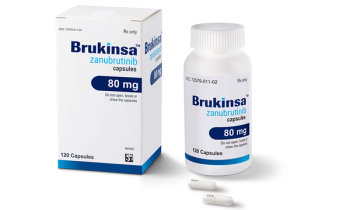
A Brukinsa access program for CLL patients in low- and middle-income countries has been extended through 2028, aiming to reach about 1,000 patients.
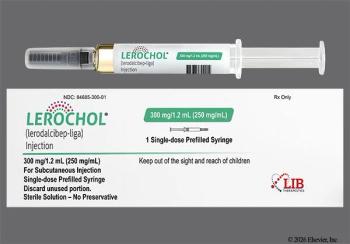
The FDA approved a Lerochol autoinjector and updated its label to reflect a lower risk of major cardiovascular events.

A draft ICER report found that baxdrostat and lorundrostat don't lower blood pressure more than older generics but do cost much more.

Novo Nordisk’s ziltivekimab lowers IL-6 heart inflammation but misses MACE reduction in ZEUS phase 3 CVD trial, with higher serious infections risk.

Lower levels of the protein IQGAP2 were linked to more aggressive esophageal squamous cell carcinoma and worse survival.

Post-op oral dexamethasone after pediatric tonsillectomy reduces tonsillectomy pain and sharply lowers opioid prescribing and ED visits, a randomized trial finds.

Published: February 25th 2025 | Updated: February 28th 2025

Published: January 30th 2025 | Updated: January 31st 2025