



Epic Research finds 2026 cholesterol guidelines and PREVENT-ASCVD expand statin eligibility to 54.6%, reshaping hyperlipidemia prevention and cardiovascular diseases risk.

Briana Contreras is an editor at Managed Healthcare Executive, where she covers the clinical, business and policy developments that matter to payers and health plan leaders, with an additional focus in multiple clinical spaces. Her reporting spans from new cancer therapies and clinical trial data to drug affordability and biosimilars, pharmacy benefit management (PBM) and health plan operations, giving healthcare executives clear context on how new evidence can affect coverage and care decisions.
Experience:
Before joining MHE in 2019, Briana was a reporter at The Morning Journal in Lorain, Ohio, west of Cleveland, where she covered local government, community news and the issues affecting residents across Lorain and Erie counties. She reported on city council, downtown redevelopment, library and school projects, local business, nonprofits and breaking news in Elyria, Lorain and nearby communities.
Education:
Briana graduated from Cleveland State University with a B.A. in Journalism and Promotional Communication.
Epic Research finds 2026 cholesterol guidelines and PREVENT-ASCVD expand statin eligibility to 54.6%, reshaping hyperlipidemia prevention and cardiovascular diseases risk.
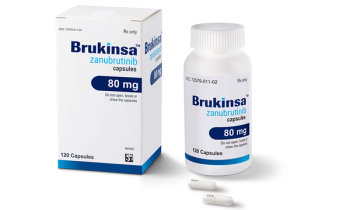
BeOne Medicines posts surging sales as Brukinsa leads blood cancer therapy growth, lifts 2026 outlook and adds new FDA approvals.

Journavx acute pain drug sees prescription surge as non-opioid coverage expands, lifting 2026 outlook and pain pipeline.

UnitedHealthcare prior authorization changes cut approvals 30% as AHIP pushes e‑processing; Larry Levitt of KFF warns voluntary moves may not last.

Prior authorization reform, AI deployment, GLP-1 management and specialty drug costs are among the issues reshaping payer and provider strategy this year.

Updated FDA labeling and NCCN recommendations are pushing more health systems and payers to adopt DPYD testing before fluoropyrimidine treatment to help reduce serious toxicities in cancer care.

A new program from the Cleveland Clinc comes as pediatric mental health visits continue rising nationwide and health systems look to expand care options between outpatient therapy and inpatient hospitalization.

UnitedHealthcare will remove prior authorization requirements for 30% of services as part of efforts to ease administrative burden and improve access to care.

A randomized trial found that combining the opioid Dilaudid (hydromorphone) with the cannabinoid Marinol or Syndros (dronabinol) did not improve pain, function or safety outcomes compared with either drug alone in patients with knee osteoarthritis.

Mayo Clinic experts said managing high-cost drugs requires clear definitions, strong formulary review processes and closer collaboration among health systems, payers and manufacturers to balance access, cost and quality of care.

A pharmacist-led specialty pharmacy model that expands into care management services could help health systems improve chronic disease outcomes while supporting cost savings under value-based care, according to presenters at the Asembia Specialty Pharmacy Summit that took place in Las Vegas this week.

Medicare Advantage 2027 updates boost payment updates near 5%, but risk rules and prior auth reforms force plans to rethink benefits and strategy.
A high-touch specialty pharmacy program that combines pharmacist support, telehealth and value-based care reduced medical costs and improved outcomes for patients with diabetes, according to presenters at the Asembia Specialty Pharmacy Summit.

PBM reform intensifies in 2026 as transparency laws, FTC pressure and experts including Jeffrey Hogan, Stacie B. Dusetzina, Ph.D., and Chad Worz, Pharm.D., spotlight pricing, rebates and patient costs.
A pharmacist-led specialty pharmacy care model presented at AXS26 shows improved A1C control, fewer hospital visits and lower total costs by expanding support beyond medications to include lifestyle, social needs and care coordination for high-risk patients.
A specialty pharmacy model presented at AXS26 shows how expanding pharmacist roles into care management can improve outcomes and support shared savings in value-based care.
$50M fuels Cleveland Clinic AI efforts, launching a "Digital Front Door" to guide patients to the right care, cut ER crowding and improve access.

Chronic low back pain develops from a mix of clinical, psychological, biological and social factors and highlights the subacute phase as a key period for early coordinated care, according to findings from a recent study.
At the AMCP Annual Meeting this week, experts from Prime Therapeutics said virtual navigation and clinical pathways are helping lower acute care use, guide treatment decisions and improve outcomes for patients with cancer.

A CVS Caremark formulary change in May 2025 led to a short increase in patients switching GLP-1 drugs before prescribing trends leveled off, according to Truveta data presented at AMCP.
As CAR-T therapy expands into earlier stages of treatment and new care settings, payers are weighing access, cost savings and utilization management strategies.
At the AMCP Annual Meeting, experts from Prime Therapeutics said education, policy alignment and collaboration can help improve access to precision testing while managing costs.
In this first part of a video interview series, Abby Kim, Pharm.D., of Prime Therapeutics shows how advances such as precision medicine and CAR T therapy are improving outcomes while requiring managed care leaders to rethink value through a long-term lens of cost, toxicity and patient access.

A multinational study found that metformin use was associated with significantly lower odds of esophageal squamous cell carcinoma, supporting further research into its potential role in cancer prevention and treatment.

A study in Translational Psychiatry found that adding rTMS to standard care may quickly improve flu-related sleep issues by targeting brain activity and immune responses linked to insomnia.

New data from the Health Care Cost Institute shows that higher hospital prices and limited competition, not greater use of care, are the main reasons healthcare spending varies widely across U.S. metro areas.

A new study found a specific brain and spinal cord circuit that appears to cause chronic pain after injury and could one day be targeted to treat pain without affecting the body's normal protective pain responses.
CMS boosts Medicare Advantage 2027 rates by 2.48%; Michael Lutz and Ceci Connolly warn MA plans still face inflation and risk-adjustment inequities.

A review of clinical trials and genetic, immune, and environmental factors revealed that Asian patients with advanced HER2-negative gastric cancer generally experience higher response rates and longer survival with immunotherapy than non-Asian patients.

A March 2026 study found that U.S. cancer patients with hypertension, hyperlipidemia or diabetes face consistently higher healthcare costs, which increased steadily from 2012 to 2018, dropped during the COVID-19 pandemic and remain elevated compared with patients without these conditions.