



Acute Pain
Latest News


Drexel University review pinpoints how music eases pain through emotion, control and rhythm
By Logan Lutton
Advertisement
Latest Videos























Advertisement
More News
The results of an Australian mouse-model-based study show that the bladder nerves that detect urinary tract infections may drive the urinary urgency that helps clear infection.

Post-op oral dexamethasone after pediatric tonsillectomy reduces tonsillectomy pain and sharply lowers opioid prescribing and ED visits, a randomized trial finds.

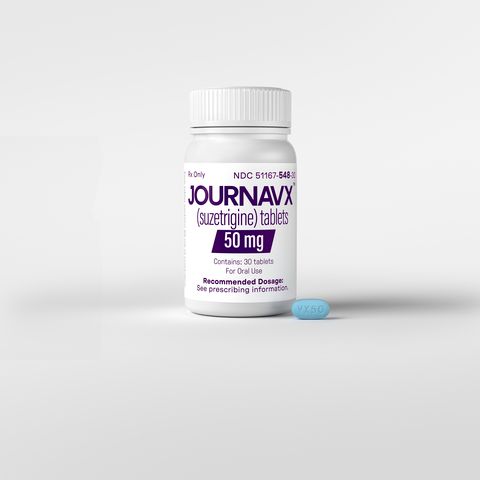
Journavx acute pain drug sees prescription surge as non-opioid coverage expands, lifting 2026 outlook and pain pipeline.

Like Journavx, LTG-001 is a Nav1.8 inhibitor that is designed to selectively block the transmission of pain without the risk of addiction.

Children using virtual reality needed significantly lower nitrous oxide concentrations during Botox procedures, potentially reducing side effects like nausea, vomiting, and hallucinations, researchers reported.

Two-thirds of patients had leftover pills, and some used opioids beyond guideline-recommended durations, an FDA-backed study found.

Aksharananda (Akshar) Rambachan, M.D., an UCSF physician-researcher, argues that function-based tools offer a more equitable and clinically meaningful approach to pain management.

The Veterans Affair’s Whole Health approach includes mindfulness, acupuncture, nutritional counseling, and a free app to help patients manage chronic pain.

A new telehealth app called Informed Pain Care connects patients with licensed clinicians for acute pain evaluation and access to treatments nationwide.

21 million U.S. adults reported pain disrupting daily life despite having no formal pain-related diagnosis, finds an analysis done by researchers at The University of Texas at Arlington.
A randomized trial found that combining the opioid Dilaudid (hydromorphone) with the cannabinoid Marinol or Syndros (dronabinol) did not improve pain, function or safety outcomes compared with either drug alone in patients with knee osteoarthritis.

Cebranopadol, a first-in-class dual NOP/MOP receptor agonist, relieves moderate-to-severe acute pain after surgery while reducing abuse risks compared with oxycodone.
Chronic low back pain develops from a mix of clinical, psychological, biological and social factors and highlights the subacute phase as a key period for early coordinated care, according to findings from a recent study.

A new study found a specific brain and spinal cord circuit that appears to cause chronic pain after injury and could one day be targeted to treat pain without affecting the body's normal protective pain responses.
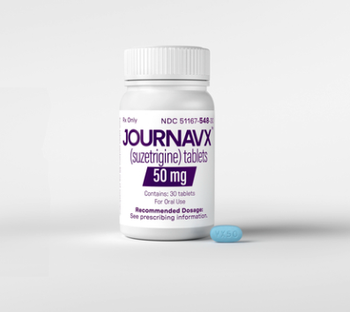
One year after FDA approval, Journavx (suzetrigine) offers a promising non-opioid option for acute pain, but experts have concerns about long-term safety, opioid-sparing effects and real-world use.

USF Health researchers have discovered how opioid receptors work in reverse, which could allow for medications to boost pain relief without causing dangerous side effects.
Chronic back pain amplifies sound unpleasantness; fMRI links it to sensory circuits, and pain reprocessing therapy may help normalize responses.

In an overview of systematic reviews, researchers found that opioid analgesics have a role in the management of some acute pain conditions, such as postsurgical dental pain, with moderate evidence.
Phase 4 acute pain study shows Journavx helps more than 90% of plastic surgery patients achieve opioid-free recovery with strong ratings and mild side effects.

The combination of acetaminophen and morphine provides slightly better early pain relief than morphine alone in emergency departments, particularly for patients with nontraumatic, nerve-related pain.

A systematic review and meta-analysis found some supporting evidence for transdermal anti-inflammatory patches, but the results might be described as, well, patchy.

For people with pain hyperacusis, everyday sounds trigger pain. The condition can lead to social isolation and worse. Treatment options are limited.

Positive results reported for pain from knee osteoarthritis among those who have obesity.
The biggest advantage of suzetrigine would be that it helps patients avoid the use of opioids for acute pain. The FDA’s goal date for suzetrigine is Jan. 30, 2025.

Prescription of Neurontin (gabapentin) and other gabapentinoids has increased partly because they are viewed as a safer alternative to opioids.
Advertisement
Advertisement
Trending on Managed Healthcare Executive
1
Christine Johnston on why biosimilars are losing formulary ground
2
Medical debt burdens more than 1 in 4 adults in the U.S., survey finds
3
McKesson, private equity firm buy home infusion company, Option Care Health
4
Medicare Advantage needs fixing. Here are 3 feasible repairs
5