A meta-analysis of 13 trials and 969 patients saw some short-term reductions in cancer-related pain and anxiety, especially during procedures, when using virtual reality.
The results of an Australian mouse-model-based study show that the bladder nerves that detect urinary tract infections may drive the urinary urgency that helps clear infection.
A previously overlooked set of bladder nerves appears to tackle urinary tract infections by triggering pain and urination urgency, according to a recent study
The findings come from a team at Flinders University and the University of Adelaide in Australia, which includes lead author Cindy Tay, Ph.D., from Flinders’ College of Medicine and Public Health.
“Together, our data implicate bladder mucosal afferents as key sensors of pathogenic challenge and reveal a previously unrecognized mechanism that drives behavioral responses to reduce the burden and extent of UTI,” Tay and her team write in the paper. “Without these sensory cues, bacterial burden increases and the risk of UTI dissemination to the kidneys rises.”
Most bladder nerves respond to stretch, tracking bladder fullness and signaling when it's time to void. A smaller subset of nerve fibers, however, sit within the bladder mucosa, the tissue lining closest to the bladder's interior, and don't respond to stretch at all. What these mucosal nerves were doing had puzzled researchers for nearly two decades.
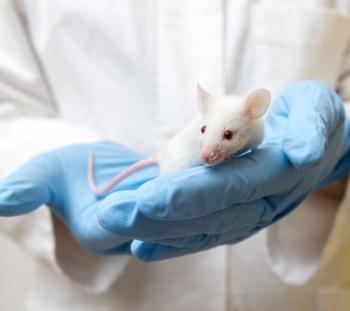
To isolate the function of these nerves, the researchers developed a mouse model that selectively denervates mucosal nerves using resiniferatoxin, a neurotoxin instilled directly into the bladder, while leaving stretch-sensing nerves in the bladder wall intact. In healthy mice, removing the mucosal nerves had no effect on bladder distension responses or normal voiding function, the study found.
When researchers modeled a UTI by introducing Escherichia coli, the mucosal nerves became hypersensitive and served as important drivers of infection-induced pelvic pain and increased urinary frequency. Mice missing those nerves showed less pelvic pain and did not develop the urinary frequency typically seen during infection.
As a result, mice without functioning mucosal nerves had a higher bacterial burden in the bladder, urine and kidneys. All of the mucosal-denervated mice had infection spread to the kidneys, compared with 40% of mice with intact nerves. Bladders of the mucosal-denervated mice also showed a higher frequency of neutrophils, immune cells whose infiltration typically tracks with infection severity.
UTIs are among the most common bacterial infections worldwide, and recurrent cases drive a substantial share of urology and primary care utilization, along with antibiotic prescribing that contributes to resistance. Research clarifying the biological mechanisms behind UTI pain and urgency could eventually inform non-antibiotic approaches to symptom management, an area of interest to payers looking to reduce avoidable utilization tied to recurrent infections and antibiotic-resistant cases.
"Most bladder nerves act like a fuel gauge, telling the brain when the bladder is filling up and needs emptying," Luke Grundy, Ph.D., head of the NeuroUrology Research Group at Flinders University and one of the study's senior authors, said in a news release. "The nerves we studied in this research are different. They sit close to the bladder lining and appear to act more like an early warning system, detecting infection and inflammation."
"They don't just sense infection," Grundy added. "They help coordinate the body's response to it by triggering pain and urinary frequency, behaviors that appear to help clear bacteria from the bladder as part of the body's defense system."