








Type 2 Diabetes
Latest News
Advertisement
Latest Videos

Podcasts

CME Content










Advertisement
More News

A study by the American Diabetes Association also finds that 1.5 million diabetic Medicaid enrollees face new cost-sharing by 2029, potentially adding $1,000 in annual out-of-pocket costs in some states.

An analysis at Montefiore Medical Center in New York finds that expanding CGM implementation in primary care improves diabetes outcomes and reduce acute care utilization, particularly in underserved populations.

Despite similar diabetes technology use among the minority patients surveyed, Black patients showed higher A1C than White non-Hispanic patients, with insurance access and cost as the biggest barriers to using insulin pumps or connected insulin pens.

An American Diabetes Association survey has found that high insulin costs are straining patients financially, with 1 in 3 cutting groceries. A new Senate bill aims to limit copays and boost PBM rebate transparency.

The approach of pairing an ecological framework with AI methods offers a new way to identify where diabetes risk concentrates.

An electronic health record–based diabetes risk tool helped primary care teams target prevention and reduce progression to type 2 diabetes in prediabetes patients.

An electronic health record–based model could help health systems target diabetes prevention to the high-risk patients most likely to benefit.

The award will involve patients with chronic disease and their families to inform clinical research, with an initial focus on diabetes.

Diana Isaacs, PharmD, BCPS, BCACP, BC-ADM, CDCES, FADCES, FCCP, discusses socioeconomic barriers, such as financial constraints, unstable housing, stressful living situations, and demanding work schedules, can hinder diabetes self-care, requiring healthcare providers to approach patients with empathy when addressing these challenges.
Diana Isaacs, PharmD, BCPS, BCACP, BC-ADM, CDCES, FADCES, FCC, discusses how technological advancements in diabetes care, such as continuous glucose monitors, can help patients better manage their disease.

Estay Greene, PharmD, MBA, offers key takeaways and provides closing thoughts on remaining unmet needs in the treatment of patients with diabetes.
Insights on how payers can allocate their resources to best improve outcomes for patients with diabetes.
Payer perspectives on the challenges and advantages of integrating continuous glucose monitoring into diabetes management programs, highlighting the navigation of prior authorization requirements.

A new study finds that the use of continuous glucose monitoring helps reduce complications from type 1 diabetes, lowering the risk of developing or progressing diabetic retinopathy.
An expert on the treatment of diabetes offers insights on utilizing data to reveal disparities in care based on factors such as demographics and location.
Estay Greene, PharmD, MBA, outlines the main barriers that need to be addressed from a payer perspective in the treatment of high-risk patients with diabetes.

The FLOW trial was stopped early based on an interim analysis that found the study met the criteria for efficacy.

Compared with gastric sleeve, more patients who underwent a gastric bypass surgery remained in remission from type 2 diabetes even if weight is regained.

Although most older adults support Medicare coverage of medications for weight loss drugs, only one in three favor paying more in premiums for this coverage, finds University of Michigan survey.
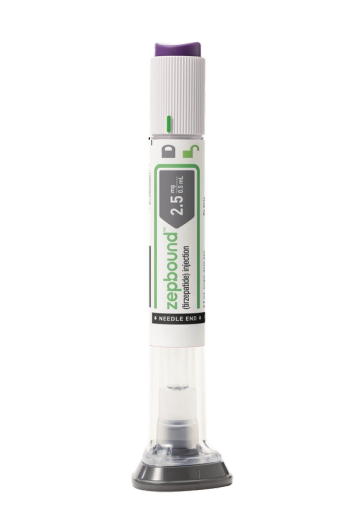
Zepbound, which was approved last month to treat obesity, is now available in U.S. pharmacies.

Shortages are growing because of disruption caused natural disasters and ingredient supply issues, as well as increased demand for certain drugs.
Advertisement
Advertisement
Trending on Managed Healthcare Executive
1
Payer Implications and Final Takeaways from the BE BOLD Trial
2
Medicare Part D redesign reshapes market
3
A conversation with Tiffany Phung, Pharm.D., CSP, about how patient outcomes drive specialty pharmacy strategy
4
The sleep doctor who lives with a disorder he treats
5