

Type 2 Diabetes
Latest News
Advertisement
Latest Videos



























Advertisement
More News

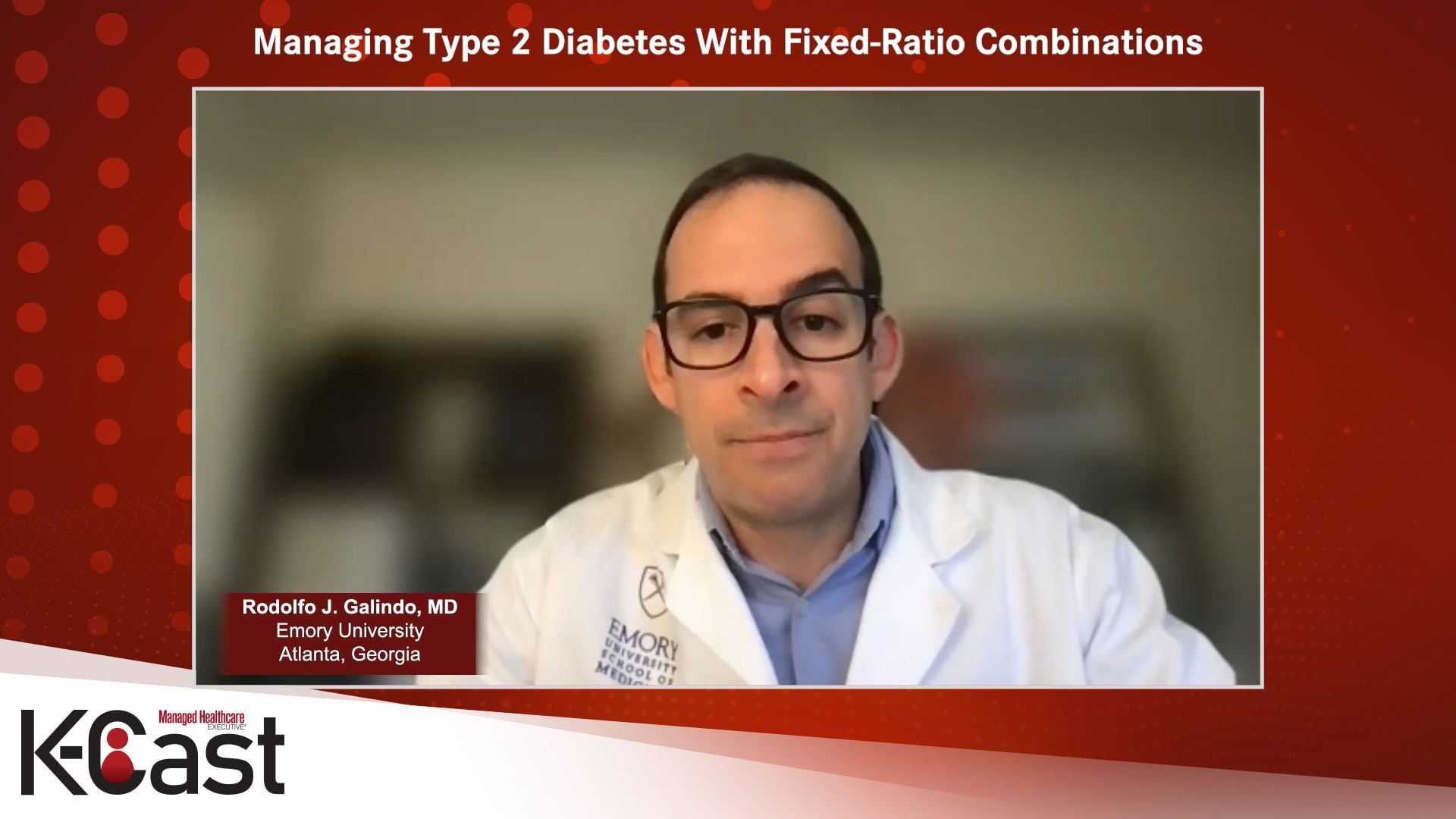
Rodolfo J. Galindo, MD, provides insight on the benefit of fixed-ratio combinations of basal insulin and GLP1 agonists for the optimal management of type 2 diabetes.
Dr Jennifer Brigitte Green considers the patient selection for fixed-ratio combinations of basal insulin and GLP-1 receptor agonists among patients with type 2 diabetes and provides insight around Medicare patient access to insulin and injectable medications.
Jennifer Brigitte Green, MD, discusses the reasoning behind clinical inertia in treating patients with type 2 diabetes and comments on achieving and maintaining glycemic control over an extended period.
Dr Jennifer Brigitte Green addresses clinical considerations for patients with type 2 diabetes who are not responding to their oral antidiabetic agents and discusses her strategy for insufficient target glycemic control with insulin regimens.
The cost-effectiveness group say Lilly’s diabetes treatment should have an annual price of between $5,500 and $5,700. The FDA is expected to make a decision on whether to approve tirzepatide this year.

Patients who are part of the Walgreen’s Prescription Savings Club can receive Semglee at up to 80% off the cash price.
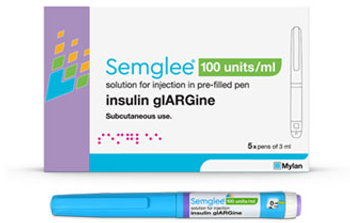
OptumRx will favor the reference product Lantus on the Premium Formulary. The organization also released coverage information about other newly approved therapies.
Branded and unbranded versions of the interchangeable biosimilar to treat patients with diabetes are now available.

At a placeholder cost equal to Ozempic, tirzepatide scored lower in a measure of cost-effectiveness compared with Ozempic but higher than Jardiance.

Prime’s formularies will include the insulin biosimilar over the reference product Lantus beginning in January 2022.

Express Scripts will put the first interchangeable biosimilar insulin on its National Preferred Formulary and exclude Lantus, the reference product.
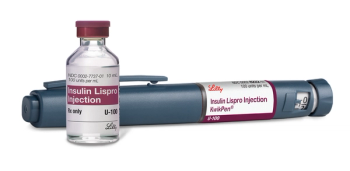
Effective Jan. 1 2022, the move brings the price to 2008 levels.
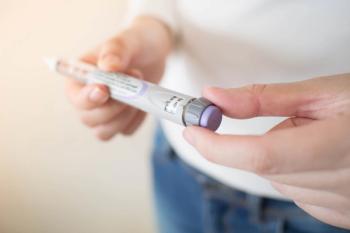
FDA approval means that pharmacists can swap biosimilar Semglee, an insulin product, for brand-name Lantus, although state-level pharmacy rules may apply.
The approval allows for substitution at the pharmacy counter for Lantus, its reference product.
Keytruda gets a full approval in endometrial cancer; while Xeljanz will miss another PDUFDA date.
New vaccine for pneumococcal disease, an sNDA approved based on real-world data, a new therapy for skin and muscle disease, Keytruda combination receives full approval in endometrial cancer, a new diabetes therapy is approved, and another JAK inhibitor misses PDUFA date round out this week’s FDA news.
FDA staff raised safety concerns ahead of the advisory panel hearing.
Keytruda loses one indication but gains another, Biogen narrows use of Aduhelm, Padcev gets regular approval and expanded indication, Amgen submits application for asthma biologic, agency issues complete response letter for diabetes prevention therapy teplizumab, Novartis resubmits NDA for inclisiran.

Study published in the Annals of Internal Medicine elaborates on past positive findings for Zynquista (sotagliflozin), a dual inhibitor of SGLT1 and SGLT2.
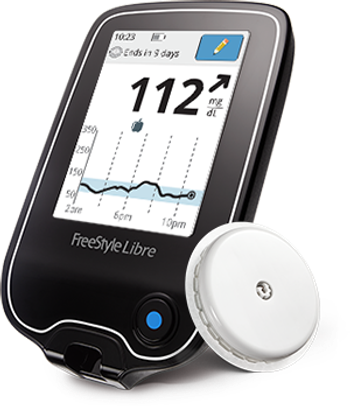
A longstanding four times per day testing requirement will cease, and patients using inhaled insulin now qualify for continuous glucose monitoring.

Semaglutide injection is a weekly injection for chronic weight management in adults.

Harvard researchers say, well, maybe.
The AstraZeneca drug is the first SGLT2 inhibitor approved for chronic kidney disease regardless of whether the patient has diabetes.

Dr. Kathleen Bethin, clinical professor, and Dr. Lucy Mastrandrea, associate professor and division chief of endocrinology/diabetes both at the Jacobs School of Medicine & Biomedical Sciences at the University at Buffalo, spoke with Vic Baldry of Cecelia Health to discuss the challenges telehealth has created when caring for families with children who have type 1 diabetes.

Access to care and other health disparities result in the low use of novel therapies for Black, female and lower income type 2 diabetes patients. If these barriers aren't addressed, disparities among kidney and cardiovascular patients may worsen in the U.S.
Advertisement
Advertisement
Trending on Managed Healthcare Executive
1
CVS Health is splitting in two, according to news reports
2
Jeremy Gaskill on moving from Humana to Geisinger Health Plan
3
The CVS Health split. How separate will the two companies really be?
4
A Democratic Congress likely means more oversight for payers, not a Medicaid rollback
5