





Schizophrenia
Latest News


A conversation with Eric Seiber, Ph.D., about why defining first-episode psychosis matters
By Logan Lutton

Fewer than 1 in 5 young patients with first-episode psychosis adhere to antipsychotics
By Logan Lutton
Advertisement
Latest Videos

Shorts

1:07
Transcranial magnetic stimulation is not electroconvulsive therapy
16 days ago
by
Logan Lutton

1:29
A deeper look at why auditory hallucinations occur
a month ago
by
Logan Lutton
1:01
Why young adults should be cautious of cannabis legalization
a month ago
by
Logan Lutton
1:17
Can cannabis use trigger schizophrenia?
2 months ago
by
Logan Lutton

0:59
Why do patients gain weight on antipsychotics?
2 months ago
by
Logan Lutton
1:02
Is weight gain inevitable on antipsychotics?
2 months ago
by
Logan Lutton

0:54
Why renaming schizophrenia won’t address stigma
3 months ago
by
Logan Lutton
1:02
Holocaust trauma raised schizophrenia risk in the next generation
3 months ago
by
Logan Lutton























Advertisement
More News

In this discussion, Mahavir Agarwal, M.D., Ph.D., a psychiatrist and scientist in the Schizophrenia Division at the Centre for Addiction and Mental Health (CAMH) in Toronto and an associate professor in the Department of Psychiatry at the University of Toronto, discusses recent advancements in treating antipsychotic-associated weight gain.

In this discussion, Dolores Malaspina, M.D., a pharmacological sciences professor at the Icahn School of Medicine at Mount Sinai, explains how schizophrenia risk may be caused by trauma-alerted biological signaling, rather than genetics alone.

If prospective studies of clinical outcomes confirm the findings, one near-term application of the research might be using automated analysis of speech samples to monitor patients with schizophrenia.

It’s plausible — there are GLP-1 receptors in the brain — and preclinical research has suggested possible benefits. But a review of the current medical literature shows uneven results in humans, and the studies have been small.

A new study has identified the brain connectivity patterns that lead to cognitive difficulties in patients with schizophrenia, suggesting potential targets for therapeutic intervention in early psychosis stages.

Restricting the study to treatment-naive patients allowed researchers to isolate changes due to natural disease.

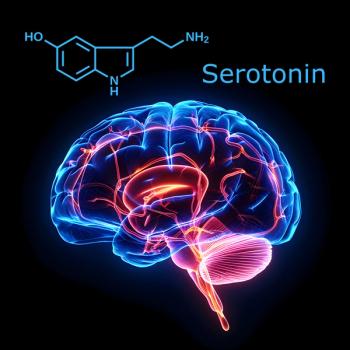
The first human study to examine the involvement of serotonin release in people with schizophrenia also found that it had a particularly strong effect on a subgroup of participants with “deficit schizophrenia.”

Music and painting therapy combined as an adjunctive treatment for chronic schizophrenia patients achieved “synergistic” effects on multiple levels in a short-term retrospective study.

Teva's new olanzapine LAI aims to enhance schizophrenia treatment by improving adherence and reducing relapse risks, pending FDA approval.

Larger and longer studies are needed. But the positive results for semaglutide stand in contrast to those for metformin and topiramate.

AI’s very design encourages a small number of users to go down delusional rabbit holes, researchers argue in a preprint article.

A study in Romania drills down into the specific causes of death among people with schizophrenia and suggests changes in policy and healthcare practice that could make them less common.


Research summarized in posters at AMCP Nexus shows that long-acting injectables can help with the problem of adherence.

Cobenfy represents a breakthrough schizophrenia treatment with a novel mechanism, but limited long-term data requires cautious adoption and patient-centered decision-making in clinical practice.

CT-155 is a smartphone app that integrates psychosocial interventions delivered using an adaptive goal-setting technique. A phase 3 trial has demonstrated that it can reduce the negative symptoms of schizophrenia.

Providing support and care for adults with schizophrenia can mean a significant personal and financial burden for family members.

Researchers in one study found that semaglutide may indirectly improve adherence to antipsychotic therapy for those with schizophrenia and lower expensive acute episodes by preventing weight gain and increasing physical health.

The short-term study is believed to be the first to evaluate both interventions combined for people with mental illness.

The researchers gauged verbal communication by analyzing how the individuals in the study narrated a story based on six cartoon images.

Using heart rate variability as a potential biomarker for diagnostic support and early screening of schizophrenia and bipolar disorder could eventually lead to faster, less costly assessments outside of clinical settings that would be especially helpful in rural areas and low-income countries, according to a study.

CT-155, a smartphone-based prescription digital therapeutic, addresses an unmet need in schizophrenia, showing safety and efficacy in a phase 3 trial.

A study of patients with schizophrenia at a psychiatric hospital in China showed that focused group therapy in combination with antipsychotic medication is linked to improvement in depression and other aspects of mental health.

Large language models (LLMs) were more likely to suggest inferior treatment options when reviewing hypothetical cases when patients' Black identity was listed or implied.
Advertisement
Advertisement
Trending on Managed Healthcare Executive
1
Christine Johnston on why biosimilars are losing formulary ground
2
Medical debt burdens more than 1 in 4 adults in the U.S., survey finds
3
McKesson, private equity firm buy home infusion company, Option Care Health
4
Medicare Advantage needs fixing. Here are 3 feasible repairs
5