Between the Lines

2 experts are featured in this series.

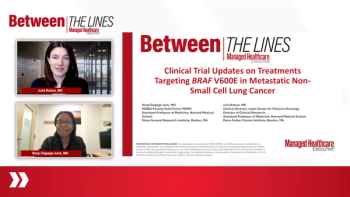
Clinical Trial Updates on Treatments Targeting BRAF V600E in Metastatic Non–Small Cell Lung Cancer brings together two leading thoracic oncologists, Dr. Ibiayi Dagogo-Jack and Dr. Julia Rotow, for an in-depth discussion of the evolving treatment landscape for BRAF V600E–mutant non-small cell lung cancer (NSCLC). Framed around emerging results from the PHAROS trial, the conversation explores the clinical performance, safety, and real-world applicability of encorafenib + binimetinib, now an important targeted therapy option for this rare molecular subset.

The experts review trial design, efficacy outcomes, survival projections, safety considerations, monitoring strategies, central nervous system (CNS) disease management, and areas of unmet need. They also address practical implications for clinicians, patients, and payers, including the essential role of comprehensive genomic profiling and timely access to targeted treatment. The program serves as an educational guide for optimizing care for patients with BRAF V600E–mutant metastatic NSCLC.

2 experts in this video

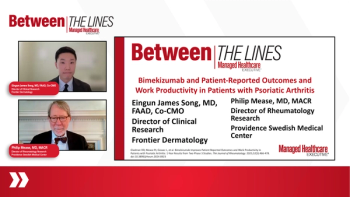
Eingun James Song, MD, FAAD, Co-CMO; and Philip Mease, MD, MACR, discuss how bimekizumab’s dual IL-17A and IL-17F inhibition mechanism addresses the multidomain nature of psoriatic arthritis by significantly improving patient-reported outcomes, including pain, fatigue, work productivity and quality of life, as demonstrated in the BE OPTIMAL and BE COMPLETE phase 3 clinical trials.

2 experts are featured in this series.

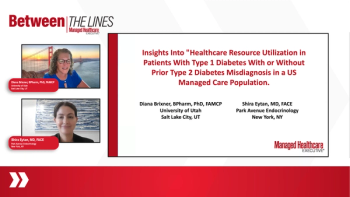
Diana Brixner, BPharm, PhD, FAMCP, and Shira Eytan, MD, FACE discuss how misdiagnosis of type 1 diabetes as type 2 diabetes leads to significantly increased healthcare resource utilization, with 31% of type 1 patients having been previously misdiagnosed with type 2 diabetes, resulting in more hospitalizations, emergency visits, and ineffective treatments before receiving proper autoantibody testing and insulin therapy.

2 experts are featured in this series.

Gary M. Owens, MD, and Lawrence Eichenfield, MD, discuss how an atopic dermatitis therapy demonstrates significant clinical efficacy through targeted JAK inhibition, providing sustained symptom relief, reduced healthcare utilization, and decreased steroid dependency across diverse patient populations as evidenced by 18-month retrospective claims analysis.