Only 19% of community oncologists use AI predictive models. Prerna Mewawalla, M.D., outlines six ways AI can already help in myeloma care.
Only 43% of community oncologists feel very comfortable with new immunotherapies. Prerna Mewawalla, M.D., of Allegheny Health Network talks safety protocols and trial access.
Most community oncologists (92%) say their practice is comfortable managing new immunotherapies, but only 43% say they are very comfortable, according to Johnson & Johnson’s
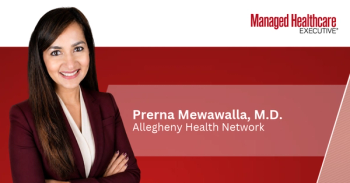
Prerna Mewawalla, M.D., director of the Stem Cell Transplantation and Cellular Therapy Program at Allegheny Health Network (AHN) in Pittsburgh, worked with J&J on the index. In this interview with Managed Healthcare Executive, the hematologist-oncologist, who specializes in multiple myeloma and AL amyloidosis, explains what a safe CAR T-cell therapy and bispecific antibody program requires and what keeps patients out of clinical trials.
Preparation begins before treatment, Mewawalla said, with careful patient selection. Practices should consider whether a patient has a caregiver, how quickly the disease is progressing and what other health conditions the patient has. Cytokine release syndrome (CRS) and immune effector cell-associated neurotoxicity syndrome (ICANS) can feel daunting to practices new to these therapies, but she said well-defined protocols make it possible to deliver them in the community, where most cancer care happens.
“Any therapy is only as good as its access,” she said.
A strong protocol spells out which patients qualify for which therapy and whether treatment can happen as an outpatient or inpatient, or in the community or at an academic center. Patients should carry wallet cards or bracelets that tell emergency department and ICU clinicians they are on these therapies. They also need one number to call, so they aren’t left guessing whether to contact the hospital or their oncologist. Whoever answers needs a clear plan for each grade of side effect, such as what to do for a grade 1 fever.
“These are very effective treatments, but we also have to make sure that they’re executed very, very safely,” she said.
On trials, Mewawalla said design is the first barrier. Studies should reflect real-world patients, including those with other health conditions, with fewer exclusions. Drugs already given in community practices shouldn’t require trial patients to travel to an academic site, given the cost and burden of travel. Distance matters even locally, she added: “(Some) people in Pittsburgh do not like to cross bridges or tunnels.”
Trials are no longer a last resort, with strong options now in earlier lines of myeloma treatment. Yet many eligible patients are never offered one because of administrative burden and limited awareness of open trials. Mewawalla said AI-based trial matching through the EHR could help, and trials should allow telehealth visits the way routine care already does. AHN already gives bispecifics at all of its community sites, including Erie, about two hours from Pittsburgh, with step-up dosing done on an outpatient basis.