



















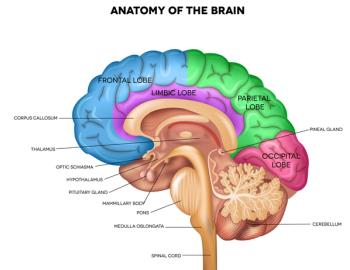
A new model of the hypothalamus can lead to potential new genetic targets for a number of disorders.
A new model of the hypothalamus can lead to potential new genetic targets for a number of disorders.
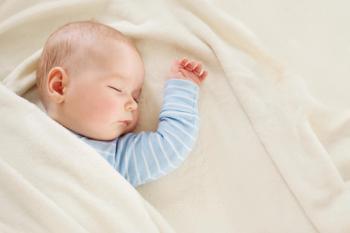
A new report suggests infants who do not get enough sleep can quickly become overweight.

The study leveraged the power of wristband accelerometry to reveal links between sleep and psychiatry.
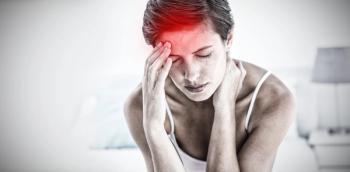
But the meta-analysis leaves open the question whether there is a cause-and-effect relationship between sleep and migraine.

Health officials should consider advise that people spend more time outdoors as. way to cope with this and future pandemics, the researchers suggest.

A new study gives physicians the power to help patients at risk of obstructive sleep apnea, but it also highlights the relative lack of public attention on prevention.
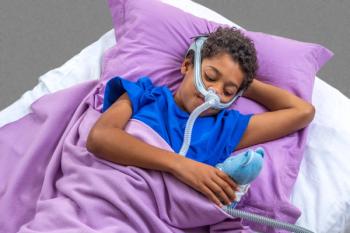
An estimated 1-6% of all children and adolescents have obstructive sleep apnea.
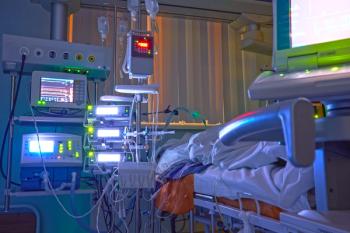
Everything from the amount of daylight in a room to the timing of vital sign checks during the night can influence the sleep of patients in intensive care units and thus their recovery.
A new meta-analysis summarizes the dangers posed sleep apnea, which include a doubling of the risk of sudden death from cardiac causes. It is still unclear whether continuous positive airway pressure (CPAP), one of the main treatments for obstructive sleep apnea, lowers that risk.

Key factors for determining shift length will help manage fatigue-related risks while meeting operational demands.
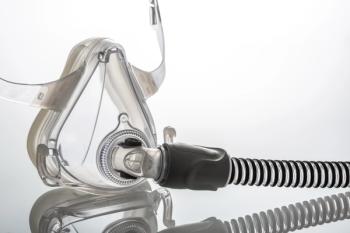
A health system is using low-cost screening tools to identify hospitalized patients who may have also have obstructive sleep apnea.
Males, in particular, have a higher risk of high blood pressure if they have obstructive sleep apnea that goes unaddressed.
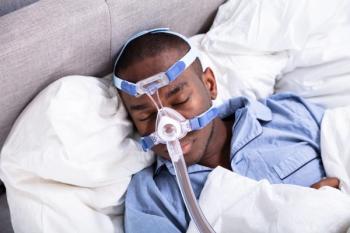
Data presented at the virtual Sleep 2021 meeting by the Annual American Academy of Sleep Medicine suggests treating sleep apnea or obstructive sleep apnea is important for heart health and better prevents chances of COVID-19.

The American Heart Association statement says people with resistant or poorly control hypertension, pulmonary hypertension and recurrent atrial fibrillation should be screened for obstructive sleep apnea. Although enthusiastic about the future of wearables and other kinds of technology for diagnosing obstructive sleep apnea, the statement also notes that "diagnostic accuracy needs to be better defined."

Study shows an association between greater "eveningness" (being awake and alert at night) and cannabis use and binge drinking.
Patients with Alzheimer’s disease or who were at high risk for the disease had a weaker correlation between brain activity and cerebrospinal fluid flow while sleeping.

Young adults did not have significantly better sleep when using blue light filters on their smartphones in the hour before bed, according to a new study.
Sleep problems are associated with increased risk of chronic diseases.
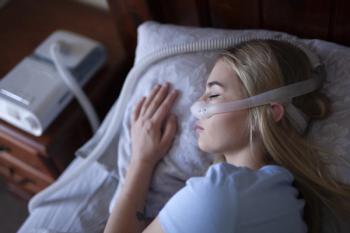
A report by the Agency for Healthcare Research and Quality suggested existing evidence on continuous positive airway pressure devices is not robust enough to be clinically meaningful.
Treating insomnia with commonly prescribed, older generation medications increases health care resource utilization and costs in patients with comorbid conditions.
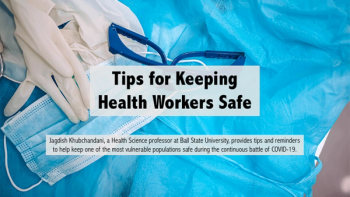
Jagdish Khubchandani, a Health Science professor at Ball State University, provides tips and reminders to help keep one of the most vulnerable populations safe during the continuous battle of COVID-19. Some tips not only include frequent hand-washing and wearing masks, but getting enough sleep is also just as important.

A new study analyzed the effects of telemedicine vs. face-to-face interventions for insomnia.
Being a CEO can be a fulfilling-yet demanding-role. Here are 12 stress-busters that promote self-care.
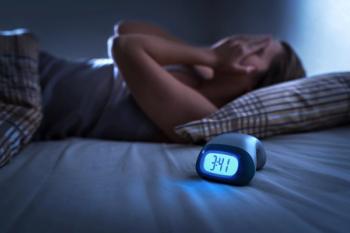
New utilization management opportunities will increasingly include cardiology and diagnosis of sleep disorders.