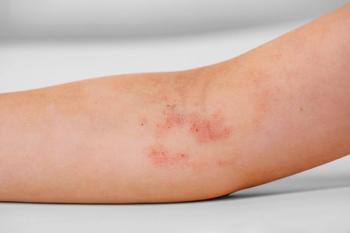
Experts at Fall Clinical Derm 2026 urge early JAK inhibitors over systemic steroids for atopic dermatitis and long-term vitiligo treatment, saying boxed-warning risks are overstated.
A new study finds that the recombinant zoster vaccine was associated with a 51% lower risk of dementia. This was seen across age and racial and ethnic groups, but the risk reduction was stronger in women compared with men.
Another study is adding to the evidence that shingles vaccines are associated with a reduced risk of dementia. A real-world study,
Shingles is a viral infection that occurs when the varicella-zoster virus (VZV), the same virus that causes chickenpox, reactivates in the body. Although anyone can get shingles, it is more common in adults over the age of 50, according to the CDC. It presents as a rash, with painful blisters across the chest, abdomen, or face.
Shingrix is a recombinant zoster vaccine (RZV) that is manufactured by GSK, which funded the current research. It is indicated to prevent shingles in people who are 50 years of age and older and those over the age of 18 who are immunocompromised.
Researchers have speculated about the potential role of the varicella-zoster virus in the development of dementia. The exact mechanism of how reactivation of the virus leads to the development of dementia is not known. One
Research over the last few years has begun to shed light on the positive effect of the vaccines beyond preventing the development of shingles, including reducing all-cause mortality and major adverse cardiovascular events (MACE) in adults over 50 and reducing mortality and MACE risks in people living with HIV. Additionally, studies of the live-attenuated herpes zoster vaccine (Merck’s Zostavax) delaying or preventing mild cognitive impairment and dementia.
In the Nature Communications study, researchers from Kaiser Permanente Southern California conducted a retrospective matched cohort study of adults aged 65 years and older who received two doses of the recombinant zoster vaccine compared with controls who did not receive the vaccine.
Researchers, led by Emily Rayens, Ph.D., MPH, a postdoctoral researcher in the department of research and evaluation at Kaiser Permanente Southern California, analyzed electronic health records between April 1, 2018, and Dec. 31, 2020, of people aged 65 and older who had no dementia diagnoses or dementia medications within six months of their second vaccine dose. The analysis included 65,800 vaccinated people and 263,200 people who were unvaccinated. Researchers also conducted chart reviews to identify those who were later diagnosed with dementia and mild cognitive impairment.
Researchers found that vaccination with two doses of the recombinant zoster vaccine was associated with a 51% lower risk of dementia. This was seen across age and racial and ethnic groups, but the risk reduction was stronger in women compared with men.
Researchers also wanted to evaluate the potential bias that could result from healthy people who have been vaccinated. They assessed dementia incidence in those who had received a recombinant zoster vaccine compared with those who had received a tetanus, diphtheria, and acellular pertussis (Tdap) vaccine but not the shingles vaccine. In this analysis, vaccination for shingles also showed a significant reduction in dementia.
Researchers said one limitation is that the results may not be generalizable to other patient populations or to the uninsured. Additionally, assessment for dementia was conducted at a mean follow-up of 3.40 years with a maximum follow-up of 5.22 years. Because dementia is a progressive disease, researchers may not have seen the entirety of dementia cases during the study timeframe.
“While additional research is needed to understand the potential underlying mechanisms, these results suggest that there may be additional benefits to RZV [recombinant zoster vaccine] vaccination beyond prevention of HZ [herpes zoster],” the researchers wrote.