



The FDA cited issues related to the compatibility of lenacapavir and the vial used. The agency has not requested new clinical studies.
The FDA cited issues related to the compatibility of lenacapavir and the vial used. The agency has not requested new clinical studies.

A total of 28 lots have been recalled because of a high rate of allergic reactions.

Over time, Egaten, an antiparasitic, can increase the QTc interval, resulting in a heart rhythm condition that can cause chaotic heartbeats.

Once approved, the insulins will be available to patients for no more than $30 per vial.

2021 was a year in which investigators, government officials and drug companies overcame immense challenges to develop successful vaccines against COVID-19. That spirit of innovation is expected to carry over into this year.

Reporting of PRO in oncology clinical trials increased after standards from ISOQOL and others were published in 2013.
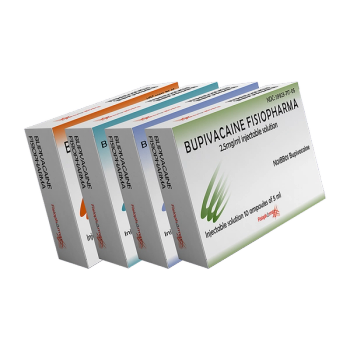
This is the Areva's second importation of bupivacaine this year.

During the period 2015 to 2020, if a proposed policy that increases Medicaid rebates for drugs with accelerated approvals had been enacted, up to $5.2 billion could have been saved.
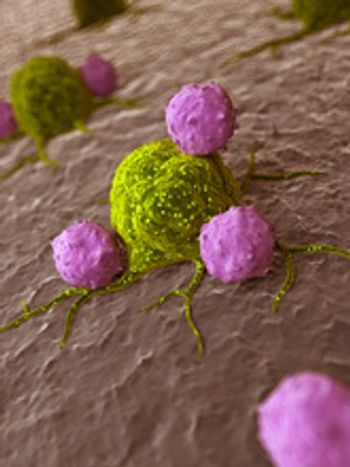
Because of a COVID-19 related shortage, facilities may not have immediate access to Actemra, which is required as part of the REMS programs for CAR T-cell therapies.

Consumers have a false sense of security about buying drugs from online platforms.

Researchers suggest that adjusting the prescribing patterns of about 8% of physicians could result in substantial savings.

In COVID-19 news, FDA grants EUA to AstraZeneca’s monoclonal antibody to prevent infection and the FDA extends EUA of Pfizer/BioNTech Booster to those 16 and 17 years of age. The regulatory agency also approved a therapy for spasticity resulting from multiple sclerosis, and is requiring an updated boxed warning on three top-selling JAK inhibitors for rheumatoid arthritis. And FDA committee votes no on kidney disease drug.
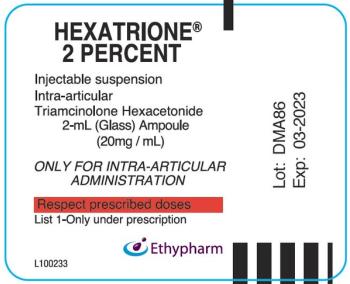
Medexus is working with Ethypharm to generate the data needed to support an abbreviated new drug application for triamcinolone hexacetonide.

The regulatory agency is reviewing Reata’s application of bardoxolone to treat patients with chronic kidney disease caused by Alport syndrome, a rare genetic disease.

In this diagnostic proof-of-concept trial, an emerging imaging approach that uses a handheld laser demonstrated the ability to visualize muscle degeneration in children with SMA.

Drugs in development and newly approved drugs for non-small cell lung cancer are based on research that has identified driver mutations leading to runaway cell growth and division that characterize cancer.

The pandemic has been associated with an increase in public health spending, rising mental health issues and a record number of overdose deaths, according to a report from the philanthropic arm of UnitedHealth Group.
In COVID-19 news, an advisory committee recommends approval of oral antiviral after Merck releases updated data. The FDA made three approvals this week: an imaging agent to detect ovarian cancer and a vaccine for hepatitis B, and Darzalex Faspro is given an additional indication. New regulatory applications include: Lynparza for early breast cancer; the psoriasis therapy deucravacitinib, a pneumococcal vaccine for children, and an anemia therapy. The regulatory agency also paused the updated clozapine REMS program.
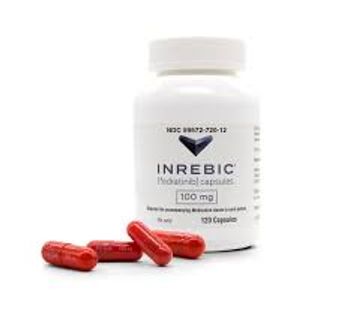
The warnings section of Inrebic, a JAK inhibitor to treat a bone marrow cancer, now includes information about the cardiovascular risk associated with Xeljanz, another JAK inhibitor to treat arthritis.

ICER’s first scorecard of the barriers to fair access to medications found, of the policies that could be reviewed, most were structured to support fair access to medications.

ICER’s first scorecard of the barriers to fair access to medications found that more transparency is needed to fully assess insurers and their coverage policies.

A new meta-analysis of research finds that a history of previous cardiac events puts children with hypertrophic cardiomyopathy at risk for cardiac death.
The regulatory agency has set a Prescription Drug User Fee Act date during the first quarter of 2022

The study found that nearly half of Americans diagnosed with high blood pressure do not have it sufficiently controlled.
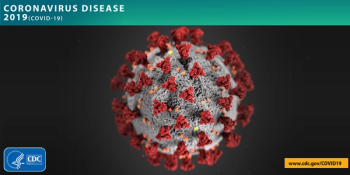
Moderna and Pfizer are assessing their vaccines against the Omicron variant, which was first identified in South Africa.
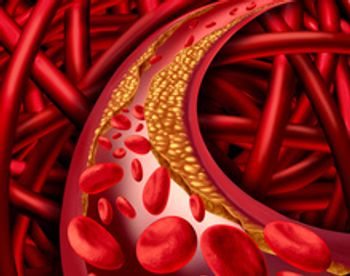
Across all payers, the use of generic statins has resulted in a savings of $11.9 billion annually.

New research confirms that regardless of age or severity of COVID-19 infection, prolonged effects on cognitive function are possible.

New requirements resulted in long call wait times, which has led to patient access issues.
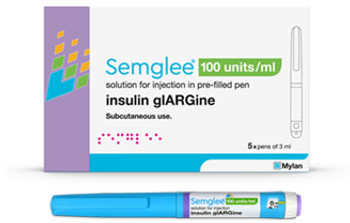
OptumRx will favor the reference product Lantus on the Premium Formulary. The organization also released coverage information about other newly approved therapies.
In COVID-19 news, FDA expands EUA for Moderna/Pfizer boosters and Pfizer seeks EUA for oral antiviral. Keytruda receives another indication, first therapy is approved for dwarfism, FDA extends review of mavacamten, and Gilead submits application for chronic hepatitis therapy.