



Ocular Therapeutix plans to submit a new drug application for the sustained-release axitinib/hydrogel implant to treat patients with wet AMD in the fourth quarter of 2026, under the brand name Axpaxli.
Ocular Therapeutix plans to submit a new drug application for the sustained-release axitinib/hydrogel implant to treat patients with wet AMD in the fourth quarter of 2026, under the brand name Axpaxli.
Investigator Charles C. Wykoff, M.D., Ph.D., discusses the mechanism of Zenkuda (tarcocimab) and why there is a need for new anti-vascular endothelial growth factor (VEGF) to treat patients with diabetic retinopathy.
Investigator Charles C. Wykoff, M.D., Ph.D., discusses the full results of the GLOW2 study, which found that Zenkuda (tarcocimab) resulted in improvement in diabetic retinopathy, including in patients who were taking GLP-1 agonists for their diabetes.

Real-world results from the ongoing ELARA study found every-four-week Eylea HD produced meaningful BCVA gains with a safety profile consistent with prior aflibercept trials.
Judi Health has also launched two new services: Judi Care for medical benefit administration and Judi Cloud for those who want to license the Judi platform.

University of Michigan researchers found that the experimental DT-109 reduced liver inflammation and MASH severity in nonhuman primates by targeting Clostridium perfringens and restoring gut barrier integrity.

Employers cite broker recommendations, cost-control effectiveness, and long-term costs as top factors shaping GLP-1 coverage decisions, according to a new survey from the International Foundation of Employee Benefit Plans.

An American Diabetes Association survey has found that high insulin costs are straining patients financially, with 1 in 3 cutting groceries. A new Senate bill aims to limit copays and boost PBM rebate transparency.

GLP-1 receptor agonists can help reduce inflammation and improve blood vessel function in patients with peripheral artery disease.
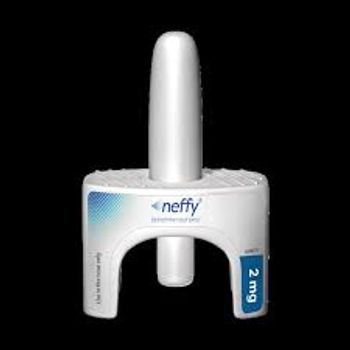
United Healthcare, Express Scripts, Cigna, Optum Rx and TRICARE offer Neffy without restriction. Neffy is an epinephrine nasal spray available for anaphylaxis.
If approved to treat patients with mantle cell lymphoma, Brukinsa plus rituximab would be the first chemotherapy-free regimen for newly diagnosed patients.
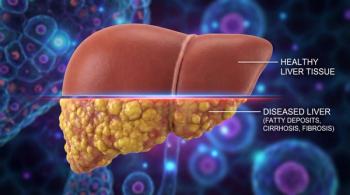
Survodutide is a dual GLP-1/glucagon receptor agonist that was also able to normalize liver fat in 61% of patients with metabolic dysfunction-associated steatotic liver disease.

Hofstra University and Northwell Health’s jointly founded medical school has secured funding from the National Institutes of Health for its combined M.D./Ph.D. program.

Aksharananda (Akshar) Rambachan, M.D., an UCSF physician-researcher, says that when used together, the numeric pain score and function scores give clinicians a far more complete clinical picture of a patient’s pain.

If approved, cemdisiran could be the first RNAi therapeutic to treat generalized myasthenia gravis that would be dosed every 12 weeks.

David Blair, CEO of LucyRx, and Jason Borschow, CEO of Abarca, spoke to Managed Healthcare Executive about the company’s merger and how the combined company is positioned for the PBM market of the future.
Aksharananda (Akshar) Rambachan, M.D., an UCSF physician-researcher, argues that function-based tools offer a more equitable and clinically meaningful approach to pain management.

The merger is expected to close in the third quarter. Both PBMs will operate as wholly owned subsidiaries of Healthcare Revolution Partners.

Prior authorization and high out-of-pocket costs impact blood cancer patients' access to oral cancer drugs, according to a poster at the 2026 ASCO Meeting.

The FDA has set a target action date of July 29, 2026, for Lytenava to treat patients with wet age-related macular degeneration. Outlook Therapeutics had successfully appealed a complete response letter issued in December 2025.

The Veterans Affair’s Whole Health approach includes mindfulness, acupuncture, nutritional counseling, and a free app to help patients manage chronic pain.

Researchers analyzing seven oncology therapies found most U.S. commercial plans treat subcutaneous and IV formulations equally, but five payers enforced IV-preferred policies, according to a poster released at the 2026 ASCO meeting.

Demand for behavioral healthcare has surged, increasing costs for health plans and employers as millions of Americans deal with mental illness, substance use disorders and access challenges.

Nearly half of payers not covering GLP-1s for obesity say no price would change their minds on coverage, citing high costs, poor adherence, and weight regain concerns, finds a new survey by PSG.

Pfizer plans 10 phase 3 trials of berobenatide for chronic weight management and obesity-related comorbidities.
Romidepsin is approved to treat adults with cutaneous T-cell lymphoma. Ameal’s generic has received designation for 180 days of exclusivity.

Hospital pharmacy leaders cite a potential rebate model transition for the 340B program as one of their biggest worries amid rising manufacturer restrictions and evolving federal compliance requirements.

Real-world data presented at ASCO also show that at 12 month and 24 months, patients treated with Brukinsa had a higher probability of survival than those treated with other BTK inhibitors.

In an interview before the annual ASCO meeting, Eduardo Vilar-Sanchez, M.D., Ph.D., of the University of Texas MD Anderson Cancer Center, talks about NOUS-209, an immunotherapy being studied to prevent cancer in those with Lynch syndrome mutations.
Eduardo Vilar-Sanchez, M.D., Ph.D., of the University of Texas MD Anderson Cancer Center, was awarded for his work in cancer immunoprevention and his efforts to develop a cancer vaccine for those who are carriers of Lynch mutations.