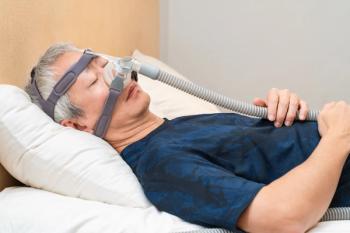
Fariha Abbasi-Feinberg, MD, discusses underdiagnosed sleep disorders, what a recent insomnia-stroke study does and doesn't prove, and where health plan policy still lags behind the evidence.
The findings challenge the conventional view that daytime sleepiness is always a result of insufficient sleep, poor sleep hygiene or classic sleep disorders.
Excessive daytime sleepiness, the urge to nod off during day-to-day activities, impacts an estimated one in three Americans and has been tied to accidents, poor quality of life and long-term health
But beyond sleep habits and sleep disorders, little is known about the biological roots of persistent sleepiness. That lack of understanding was the catalyst for a study into the biological underpinning of excessive daytime sleepiness by a team of researchers, many of them at Harvard-affiliated research labs.
The
Led by
They measured levels of 877 metabolites (small molecules produced by the body during hormone synthesis, nutrient processing or detoxification) and correlated those levels with self-reported daytime sleepiness, gathered via standardized sleep-questionnaire surveys.
The data identified seven metabolites whose blood levels were significantly linked with higher reports of daytime sleepiness. Among these were molecules involved in steroid-hormone biosynthesis and metabolic pathways shaped by diet and internal physiology.
Interestingly, when researchers restricted the analysis to male participants, three additional metabolites reached significance, which the authors noted could point to sex-based biological differences in the manifestation or metabolism of sleepiness-related factors.
“These insights could eventually lead to new strategies for preventing or managing sleep disorders that include daytime sleepiness as a major symptom,” Faquih said. “The goal was to find biomarkers that offer deeper mechanistic understanding—why some people feel persistently sleepy even when their sleep habits appear healthy.”
The findings challenge the conventional view that daytime sleepiness is always a result of insufficient sleep, poor sleep hygiene or classic sleep disorders. Instead, they suggest that internal metabolism influenced by hormone production, nutritional status and even environmental exposures also plays a substantial role.
Faquih and his colleagues believe that metabolite profiling could someday help clinicians identify individuals at risk for chronic sleepiness through a simple blood test, rather than relying solely on sleep questionnaires or overnight sleep studies.
However, they stressed that it’s only observational and can’t establish a direct cause-and-effect relationship between metabolite levels and sleepiness, which is why they would like to see additional studies to replicate the results in different populations to examine how those metabolite levels change over time, and to test whether dietary or lifestyle interventions can modify metabolite profiles and improve alertness.
Still, given the cohort contained thousands of people, the results lend support to the notion that daytime sleepiness can have a biological fingerprint, not just a behavioral one.
Faquih noted some metabolites linked with lower sleepiness risk included omega-3 and omega-6 fatty acid–related molecules, suggesting diet may modulate vulnerability.
“Our study had several strengths,” he wrote. “We employed metabolomics analysis, examining a broad range of metabolites across various biological pathways. This comprehensive approach, combined with genomics and pathway analysis, yielded unique insights into EDS [excessive daytime sleepiness] and addressed this question in an under-studied population, Hispanic/Latino adults.”
For patients struggling with unexplained daytime drowsiness, the study offers hope that future diagnostics and treatments might move beyond prescribing better sleep hygiene to addressing underlying metabolic imbalances. For clinicians and sleep specialists, the findings may eventually expand evaluation beyond airflow, sleep apnea and circadian rhythms to include metabolic and biochemical screening.