



Two surveys from West Health and Gallup find that healthcare affordability is a significant economic issue that affects nearly every aspect of life.
Two surveys from West Health and Gallup find that healthcare affordability is a significant economic issue that affects nearly every aspect of life.

In an overview of systematic reviews, researchers found that opioid analgesics have a role in the management of some acute pain conditions, such as postsurgical dental pain, with moderate evidence.

AI-quantified breast arterial calcification independently predicts heart disease, adding value beyond standard risk scores and enabling earlier preventive care.

Abarca Health CEO Jason Borschow says making prior authorization frictionless will require trusted frameworks for exchanging data and decision-making that both payers and providers align on.
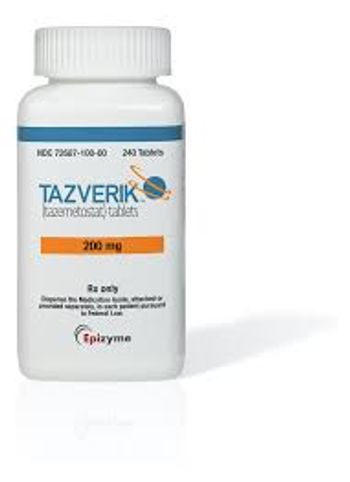
The decision to withdraw the cancer drug Tazverik from the market was based on emerging data from a trial showing there is a risk of secondary hematological malignancies.


A generic fluticasone from Glenmark Specialty will be available this month, but there is no information yet on pricing.

Juxtapid has been available to treat adults with homozygous familial hypercholesterolemia (HoFH), a rare genetic disorder that causes extremely high levels of LDL cholesterol.

The combination of acetaminophen and morphine provides slightly better early pain relief than morphine alone in emergency departments, particularly for patients with nontraumatic, nerve-related pain.

David Cordani is retiring after 17 years in the CEO role. he will join the board of directors as executive chair.

Dhruv S. Kazi, M.D., a cardiologist at Beth Israel Deaconess Medical Center, discusses the research he and his team have done to determine if semaglutide used as secondary prevention of cardiovascular disease is cost-effective.

Sharon Faust, of Navitus Health Solutions, said in an interview that employers, health plans and manufacturers must work together to manage costs and access for patients taking GLP-1 medications.

Blocking the protein P2RX7 in regulatory T cells boosted antibody responses, and this discovery could one day lead to strategies for enhancing existing immunotherapies in non-small lung cancer.

Regulatory officials have granted Molbreevi priority review and assigned a goal date of Aug. 22, 2026. If approved, Molbreevi will be priced between $400,000 and $500,000 per year.

Researchers say a modest price cut would make semaglutide cost-effective for secondary prevention of cardiovascular disease in the United States.

The National Specialty Care Access Coalition aims to standardize care models, modernize reimbursement policies, and pilot programs in cardiology, neurology, and maternal-fetal medicine nationwide.

Leaders of the smaller PBMs say they’ve always been transparent, pass-through companies, and complying with the new law’s reporting requirements is not a heavy lift.

New research at Mount Sinai explains how influenza infections increase the risk of heart attack through a specific immune pathway.

Senators Elizabeth Warren and Josh Hawley have introduced bipartisan legislation that addresses a system that they say adds costs and leaves independent doctors and pharmacists unable to compete.

A new study finds that the recombinant zoster vaccine was associated with a 51% lower risk of dementia. This was seen across age and racial and ethnic groups, but the risk reduction was stronger in women compared with men.

During an investor call, CVS Health executives said the new legislation requiring changes in PBM business practices was manageable, but they expressed some concern about CMS’s Medicare advanced rate notice.

A recent analysis shows that most products subject to price reduction under the Inflation Reduction Act have achieved substantial returns on investment by the time of negotiations.

PBM reform has finally made its way through Congress and was signed into law by President Donald Trump. Here are seven things you need to know about the law.

Cigna reported 11% revenue growth for 2025. Company executives focused on several key issues in its call with investors: its settlement with the Federal Trade Commission, a transformation announced last year to move to a rebate-free model in pharmacy benefits, and a focus on patient affordability.

Express Scripts agreed to overhaul its business model, ensuring patients pay the lowest available price for medications and reimbursing community pharmacies based on actual costs.

Rural hospital study found text messaging intervention significantly improved medication adherence for heart failure patients, demonstrating that simple technology can reduce readmissions.

Myqorzo was approved in December to treat adults with obstructive hypertrophic cardiomyopathy. It is available through a REMS program and has a boxed warning about the risk of heart failure.

Yuvezzi is the first combination product that treats adults with presbyopia. It will be available in the second quarter of 2026.

CMS announced 15 drugs for Medicare price negotiations under the IRA, representing $27 billion in spending and treating conditions such as diabetes, cancer, and autoimmune conditions. Here are three insights on the list from industry experts.

A new study has identified the brain connectivity patterns that lead to cognitive difficulties in patients with schizophrenia, suggesting potential targets for therapeutic intervention in early psychosis stages.