Metabolic dysfunction-associated steatotic liver disease (MASLD) may differ biologically from obesity-linked MASH, a mouse study suggests, with salt driving liver inflammation without obesity.
A deficiency in the hormone GDF15 correlates with liver damage biomarkers, suggesting the hormone may protect against MASH progression and offer a new therapeutic target.
Researchers at McMaster University in Hamilton, Ontario, have discovered that a naturally occurring hormone that suppresses appetite also helps protect the liver from inflammation. That hormone, GDF15, can slow the progression of liver scarring independently of weight loss, providing a possible new avenue for treating fatty liver diseases such as metabolic dysfunction-associated steatohepatitis, according to research published Aug. 10, 2026, in
“We discovered that GDF15 activates a natural brain-to-liver signaling pathway that helps suppress liver inflammation and reduce fibrosis. This changes how we think about the hormone and suggests it may be part of the body’s own defense system against chronic liver injury,” senior author Gregory Steinberg, Ph.D., professor in the Department of Medicine and co-director of the Centre for Metabolism, Obesity and Diabetes Research, said in a news release.
MASH causes the liver to swell and can lead to cirrhosis, liver cancer and liver failure. It is linked to Type 2 diabetes and other metabolic conditions such as obesity and affects about 7% of the global population.
Steinberg and his colleagues had
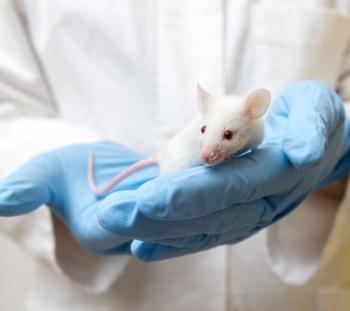
They used mouse models that closely mimic human MASH and combined genetic, pharmacological, genomic, and spatial transcriptomics approaches to determine the effect on the liver.
They found that GDF15 activates signaling from the brain to the nervous system that leads to the release of glucocorticoids, a class of steroid hormones that play a vital role in metabolism, immune function and the stress response. The glucocorticoids help dampen inflammation in the liver. GDF15 was also found to help limit the progression of liver fibrosis, a buildup of scar tissue associated with advanced disease.
“Instead of causing liver damage, GDF15 appears to help calm the liver’s immune system. It shifts immune cells into a more protective and less active state, helping reduce inflammation and prevent damage to the liver,” Dongdong Wang, first and corresponding author of the study and assistant professor McMaster’s Department of Medicine.
Researchers also looked at whether there was an association between GDF15 and MASH in people. They analyzed the data from people carrying a GDF15 variant. Their findings in this study suggest GDF15 deficiency in humans is associated with increases in a biomarker of liver damage.
Steinberg is cofounder and chief scientific officer of Espervita Therapeutics, an early-stage company developing liver- and kidney-specific acetyl-CoA metabolic enzyme inhibitors. The company’s EVT0185 has shown to significantly reduce tumor burden in multiple preclinical models of MASH-driven heptatocellular carcinoma, the most common form of liver cancer.
“Our work suggests there may be value in combining those approaches with therapies that directly target inflammation,” Steinberg said. “By understanding how the body naturally protects the liver, we can identify new opportunities to develop more effective treatments for people living with MASH.”
Researchers suggest that further research of GDF15 is needed, including in female mice and in other animal models, to assess downstream signaling effects and help refine the cellular targets.