


Opinion|Videos|September 20, 2024
Future Direction of Intravenous and Subcutaneous Biologics
Author(s)Jennifer Seminerio, MD
Dr. Seminerio predicts how the future landscape will change for intravenous and subcutaneous biologics.
Advertisement
Episodes in this series


Video content above is prompted by the following:
- Do you foresee IV and subQ route of administration always having a role moving forward? How do you see the treatment landscape changing?
Advertisement
Related to this article

Low birth volume fuels rural healthcare obstetric closures, limiting women’s health access—see which hospitals are most at risk.
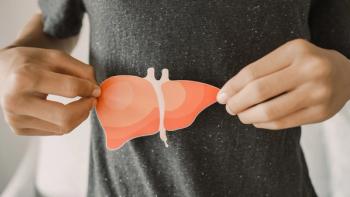
In both mice and human cells, a small molecule selectively blocked the activity of MAP4K4, a protein involved in several major biological pathways.

Steering claims away from 340B-eligible pharmacies is one option but also the most disruptive, said Jeff Dunn, Pharm.D., MBA, of NeosRx.
340B discounts preclude rebates paid to pharmacy benefit managers for their payer clients. Dunn says new transparency and cost pressures have created awareness of “340B rebate erosion.”

Onswik is approved to improve glycemic control in adults with Type 2 diabetes and will be available in the United States in the coming months in two concentrations. No information is available on the list price.

A meta-analysis of 13 trials and 969 patients saw some short-term reductions in cancer-related pain and anxiety, especially during procedures, when using virtual reality.
Chad Hatfield, Pharm.D., M.H.A., BCPS, vice president and chief pharmacy officer of UC Davis Health, says pharmacists are embedded in “nearly all specialties," with more than 150 holding board certification.

A new Spherix Global Insights survey shows providers want administrative support for prior authorization while patients prioritize access and affordability
Advertisement
Advertisement
Trending on Managed Healthcare Executive
1
Texas A&M researchers discover promising therapy for fatty liver disease
2
Survey identifies what doctors and patients want from support programs
3
FDA approves Lilly’s Onswik, the second once-weekly insulin
4
The Future of Employer Health Benefits Is Connected Care
5