


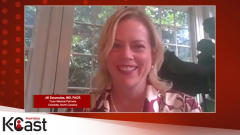
Opinion|Videos|September 20, 2024
Role of Biosimilars in Gastrointestinal Diseases
Author(s)Jennifer Seminerio, MD
A gastroenterologist discusses the role of biosimilars in her clinical practice.
Advertisement
Episodes in this series


Video content above is prompted by the following:
- How have the introduction of IV biosimilars impacted your treatment decisions? Do you see subQ biosimilars having a role in the future?
Advertisement
Related to this article

Heart disease became the leading cause of death among Hispanic adults in the U.S. in 2022, and a new American Heart Association statement says risk varies by heritage, with gaps in coverage, language and food access adding to the burden.

A five-session course of transcranial magnetic stimulation (TMS) improved processing speed in people with schizophrenia, a cognitive domain that is among the most severely affected in patients,

National Alliance names Jenny Goins interim CEO after former leader’s arrest; details emerge on charges, firing timeline, and impact on healthcare policy circles.

Only 19% use AI predictive models in cancer care despite strong belief in impact; 2026 Oncology Care Index highlights reimbursement, training, funding barriers.

Hispanic HIV incidence rose 16.8% in antisanctuary counties after the 2018 public charge announcement, relative to baseline counties, a new study found.
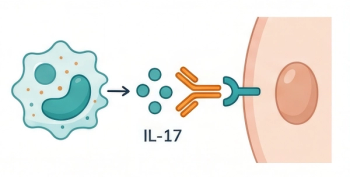
A review of randomized clinical trials, nonrandomized trials and case reports suggests that the inflammatory bowel disease risk from treatment with IL-17 inhibitors is low.

From a 95% remission rate in Japan to $81.6 billion in U.S. savings since 2015 — a data-driven look at where biosimilars stand today, and where the gaps remain.
AI pathology tool measures lung cancer treatment response after neoadjuvant chemoimmunotherapy with 91% accuracy, speeding NSCLC care while needing review for complete response.
Advertisement
Advertisement
Trending on Managed Healthcare Executive
1
National Alliance names interim head after arrest of its president
2
Biosimilars are reshaping pricing and drug development — the numbers behind it
3
Community oncologists are turning to AI, but not all of them use predictive models
4
The IBD risk among patients with hidrandentitis suppurtiva treated with IL-17 inhibitors: Low but not nothing
5