



























The twice yearly lenacapavir injection will be available in 120 countries with a series of regulatory filings beginning by the end of this year.
The twice yearly lenacapavir injection will be available in 120 countries with a series of regulatory filings beginning by the end of this year.
Out of the three stages of menopause, perimenopausal women living with HIV experience the worst COVID-19 symptoms, possibly due to increased inflammation.
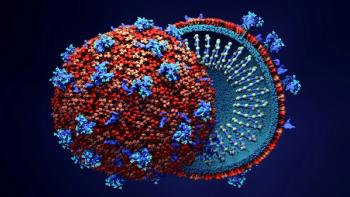
When taken in combination with an ART regimen, metformin reduced the amount of HIV production and reduced inflammation by hindering production of the molecule that helps HIV multiply.
HIV treatments using a single pill improve adherence and are cheaper to maintain.
Authors say their findings support current CDC recommendations for testing for the bacterial sexually transmitted infections, especially gonorrhea.

Death and infection rates this year caused by the latest clade 1b strain have already surpassed last year's numbers. At this time, it’s unclear if having HIV increases the risk of mpox.

Both regions experience disproportionately high HIV case numbers due to social stigmas and isolation.
Long-acting HIV treatments could be the key to diminishing HIV cases and getting Medicaid beneficiaries the help they need.

This is the latest funding announcement made by the Health Resources and Services Administration’s Enhancing Maternal Health Initiative.

Younger transgender and gender diverse individuals see a greater stigma around PrEP, but experts are still unsure why.

Here’s what you missed this week on Managed Healthcare Executive.

The St. Louis-based center will serve as a base where researchers and public health experts can fight the HIV epidemic together.
This is good news for developing an HIV vaccine because previous research had indicated it could take years for these antibodies to appear.
Women with HIV are more affected by stigma, gender inequality and socioeconomic status when compared to men with HIV.

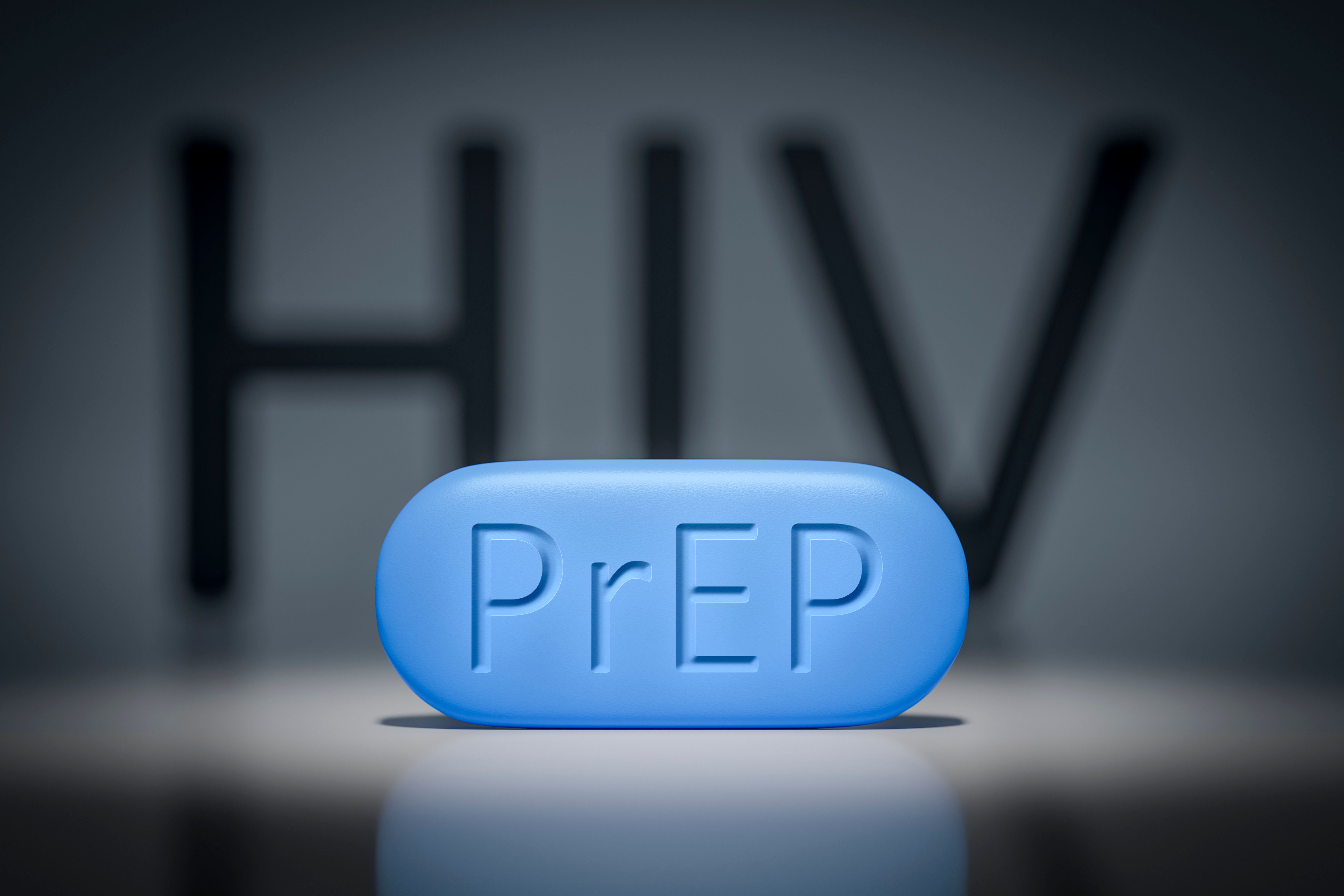
A separate trial is ongoing of Sunlenca as pre-exposure prophylaxis (PrEP) for men with topline data expected in late 2024 or early 2025.
This is the first new recommendation from the American Academy of Pediatrics since the AIDS epidemic began in the 1980s.

Healthcare providers and community leaders won’t need a green thumb to implement these changes.

The efforts to prevent one disease increased another, likely due to the lack of methadone and sterile needles.

PrEP could work for women too, but there's a gap in HIV rates among this demographic, especially Black women. Outside of PrEP's proven effectiveness, the below facts suggest the need for better promotion and more options.
This marks the first documented HIV transmission through cosmetic services using needles.

Judith Currier, M.D., M.Sc., ACTG Chair, discussed the trial, how it’s different than previous research and the connotations surrounding the “cure” to HIV.

Although newly acquired HIV infection rates are low among people who are incarcerated, 95% of at-risk inmates may engage in unsafe behavior after their release, a study shows.

How COVID-19 became a jumping off point for HIV vaccine conspiracies.

People with HIV who smoke have a life expectancy 12.3 years shorter than non-smokers.

Although there is a suspected connection between malaria and HIV, no malaria control strategies have been developed specifically for people living with HIV.