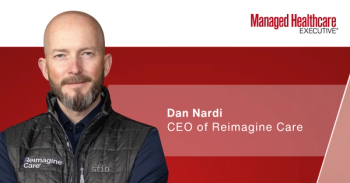
Reimagine Care's CEO says one-off hospital approvals slow CAR-T access and urges buyers to ask vendors to prove outcomes such as avoided ED visits.
The medical director of The US Oncology Network discusses adherence to clinical pathways, CAR-T therapy and concerns about the consequences of drug price negotiation under the Inflation Reduction Act.
Note: This article was originally published online in December 2025.
Leslie T. Busby, M.D., chief medical officer of The US Oncology Network and longtime leader within The US Oncology Network Pharmacy & Therapeutics Committee, sat down with Managed Healthcare Executive to discuss the evolving oncology landscape. In this conversation, Dr. Busby reflected on independent practice models, the pressures of consolidation, the promise and pitfalls of value-based care and the challenges posed by recent policy shifts and pending proposals. The US Oncology Network, a subsidiary of McKesson Corporation, includes approximately 3,000 providers in 31 states.
Can you share a bit about your background and current role?
I began practicing with Rocky Mountain Cancer Centers in Boulder, Colorado, in 2002. Around 2005, I became involved with The US Oncology Network Pharmacy & Therapeutics Committee, where I worked on drug safety, regimen development for electronic health records and pharmacy operations. Later, I chaired the committee for six years before stepping into the chief medical officer role in July 2025. While my administrative responsibilities have grown, I continue to see patients one day a week.
Independent practices face increasing challenges. How do you view consolidation versus independence?
Many practices are caught between limited capital and rising costs. Disruptions to healthcare industry payment systems, including recent ones from cyberattacks, can hit small practices especially hard because they rely on cash flow. Private equity has stepped in as a capital partner for some, while hospital systems offer economies of scale but require practices to surrender control. Our model at The US Oncology Network is a hybrid. We help physician practices remain independent while sharing financial risk and providing management support. This allows them to flourish without giving up autonomy.
What risks or policy uncertainties concern you most?
Policy incentives often favor other settings of care. For example, hospitals can charge more for outpatient services than independent practices. Consolidation has accelerated, and independent practices are left at a disadvantage.
How do you define and implement value-based care in oncology?
We’ve had a pathways program for over 15 years, now named Value Pathways, powered by NCCN [National Comprehensive Cancer Network]. The impetus for the program came from Dr. Marcus Neubauer, former chief medical officer for The US Oncology Network, while in his Kansas City practice treating patients with lung cancer. The underlying principle is science first, toxicity second and cost third. This approach streamlines care, reduces denials and improves consistency. Targeted therapies have been spectacular in some cases, like EGFR-mutated lung cancer, where oral agents outperform chemotherapy. But accelerated approvals sometimes bring drugs to market with weak data, creating challenges. We take a conservative approach before incorporating some of the drugs into pathways.
How do pathways and guidelines affect payer relationships and prior authorization?
Our pathways align closely with NCCN guidelines, and most of our physicians are above 75% adherence on our pathways, and often above 90% adherence to NCCN. This should reduce friction with payers, but prior authorization remains cumbersome. Despite the vast majority of therapies ultimately being approved, the current manual processes waste time. Ideally, our systems should communicate, and the payers would know which regimens meet guidelines and automatically approve those regimens.
What are your thoughts on innovations like CAR-T [chimeric antigen receptor T-cell] therapy and gene therapy?
CAR-T is remarkable, with curative potential for some patients, but it’s extremely expensive and requires significant infrastructure. Gene therapies for conditions like sickle cell disease are also promising but come with multimillion-dollar price tags. Practices must weigh long-term benefits against up-front costs and toxicity management. Bispecific antibodies are emerging as a more manageable option, spreading costs over time while building clinical experience.
Precision medicine and next-generation sequencing (NGS) testing are expanding rapidly. How do you see this evolving?
NGS testing is standard in lung cancer, with over 90% of patients receiving it. It’s expanding into breast, colon and other cancers. The challenge for physicians is staying up to date and receiving timely results. AI [artificial intelligence] is rapidly changing and may predict mutations from pathological slides. NGS is also rapidly advancing and, based on gene expressions, may help predict which treatment is likely to give a better response. While still early, these developments will transform how we match patients to therapies.
What are your concerns about recent drug pricing changes?
While capping patient out-of-pocket costs is a laudable goal, new laws and regulations around drug pricing impact the financial stability of independent providers. When reimbursement fails to reflect the true costs of care, the sustainability of community oncology is at risk. Many of us have observed manufacturers moving toward biologics and antibody-drug conjugates now that the Inflation Reduction Act [IRA] has limited exclusivity for oral drugs. [Small molecule and oral drugs are eligible for negotiation seven years post approval.] Practices are also placed in the middle of reimbursement flows, creating cash flow risks. The lack of clarity around average sales price-based reimbursement is another unresolved issue. Overall, I worry about unintended consequences that reduce innovation and patient choice.
Looking ahead, what do you see as the biggest challenges and opportunities in oncology care?
Balancing innovation with affordability is the central challenge. We need strong data to justify new therapies, streamlined payer processes to reduce administrative burden, and policy reforms that don’t disadvantage independent practices. At the same time, precision medicine and AI hold enormous promises. If we can align incentives and infrastructure, oncology care could become more personalized, efficient and effective.
7 months ago
Direct contracting: Cutting out the middleman