
Teva's new olanzapine LAI aims to enhance schizophrenia treatment by improving adherence and reducing relapse risks, pending FDA approval.
Teva's new olanzapine LAI aims to enhance schizophrenia treatment by improving adherence and reducing relapse risks, pending FDA approval.

High consumption of ultra-processed foods elevates the risk of early-onset colorectal cancer, highlighting the need for improved dietary quality for prevention.

Larger and longer studies are needed. But the positive results for semaglutide stand in contrast to those for metformin and topiramate.

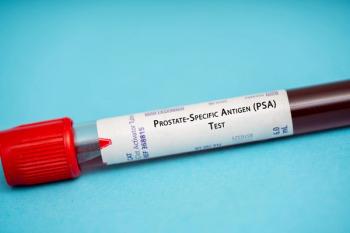
By identifying the isoforms of the prostate-specific antigen (PSA), the new test may distinguish between prostate cancer and other causes of elevated PSA levels.

GLP-1 receptor agonists significantly lower five-year mortality in highly obese colon cancer patients, highlighting potential benefits beyond weight loss and inflammation reduction.

High levels of integrin beta-6 (IB6) in metastatic non-small cell lung cancer suggest that it could be a target for treatment.

New research highlights DR-70 as a promising noninvasive biomarker for diagnosing and staging bladder cancer, potentially improving early detection strategies.


A study reveals circulating tumor cells (CTCs) as potential biomarkers for predicting aggressive DCIS, aiming to reduce overtreatment and improve patient outcomes.


Research summarized in posters at AMCP Nexus shows that long-acting injectables can help with the problem of adherence.

Consistent moderate physical activity significantly reduces the risk of digestive system cancers, highlighting the importance of long-term exercise for prevention.

Next-generation sequencing (NGS) holds great promise for identifying 'tumor-agnostic' therapies, but evidence does not support its routine use in clinical care and diagnosis of sarcoma, a consensus statement concludes.

New findings from the MATTERHORN trial reveal durvalumab combined with FLOT chemotherapy significantly improves survival in early-stage gastric cancer patients.
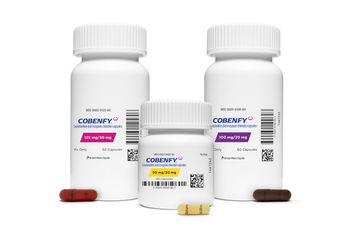
Cobenfy represents a breakthrough schizophrenia treatment with a novel mechanism, but limited long-term data requires cautious adoption and patient-centered decision-making in clinical practice.

CT-155 is a smartphone app that integrates psychosocial interventions delivered using an adaptive goal-setting technique. A phase 3 trial has demonstrated that it can reduce the negative symptoms of schizophrenia.

New research clarifies the definition of "cure" in stage II and III colon cancer, highlighting a six-year milestone for patient reassurance and care efficiency.

Biomarkers are pivotal for confirming diagnoses, predicting disease progression, and tailoring therapeutic modalities. Recent research focuses on the ‘omics’ technologies —genomics, proteomics, metabolomics.

Providing support and care for adults with schizophrenia can mean a significant personal and financial burden for family members.

Researchers in one study found that semaglutide may indirectly improve adherence to antipsychotic therapy for those with schizophrenia and lower expensive acute episodes by preventing weight gain and increasing physical health.

The Chinorec trial reveals that combining Yervoy and Opdivo with chemoradiotherapy is safe for rectal cancer, though response rates remain unchanged.
Expedited regulatory paths transform colorectal cancer treatment, enhancing access but creating challenges in clinical evidence and payer decisions.

Promoting interdisciplinary collaboration via molecular tumor boards and shared decision-making frameworks might improve the precision and applicability of testing in clinical settings, according to a set of new Academy of Managed Care Pharmacy recommendations.

Many potential colorectal biomarkers are only studied once.

A groundbreaking NLP algorithm accurately identifies precancerous gastric and esophageal conditions from EHRs, enhancing early detection and personalized patient care.

New research uncovers how cancer-induced nerve injury drives resistance to anti-PD-1 therapy, revealing potential strategies to enhance treatment efficacy.

A new prognostic tool combines albumin-prealbumin-globulin ratio and mid-arm circumference to enhance gastric cancer risk stratification and improve patient outcomes.
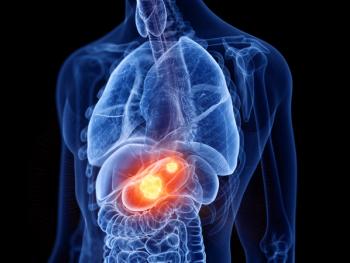
The Destinex assay revolutionizes gastric cancer detection with high accuracy, offering a noninvasive, cost-effective liquid biopsy for early diagnosis.