
Zambia's Lloyd Mulenga, M.B.Ch.B., Ph.D., says U.S. funding cuts have imperiled HIV prevention programs in his country even as treatment and lab support continue.
Zambia's Lloyd Mulenga, M.B.Ch.B., Ph.D., says U.S. funding cuts have imperiled HIV prevention programs in his country even as treatment and lab support continue.
Mulenga, a top health official in Zambia, says the country cut new HIV infections from 58,000 to 28,000 a year, but U.S. funding cuts and disruption threaten those gains, especially among young women.

A monthly pre-exposure prophylaxis (PrEP) pill would be less burdensome than daily pills and would be an important addition to the choices for HIV prevention, says Heffron, an HIV/AIDS researcher at the University of Alabama at Birmingham who is co-chairing a preconference meeting on HIV prevention today before the official start of the International AIDS Society meeting tomorrow in Rio de Janeiro, Brazil.
Renee Heffron, Ph.D., M.P.H., of the University of Alabama at Birmingham, discusses PrEP choice and alternative ways of delivery HIV prevention as she previews a preconference meeting, "HIV prevention, science and access" scheduled for today that she is co-chairing.
Semaglutide cut body weight by more than 24 lbs versus placebo in antipsychotic-treated patients with schizophrenia, according to a recent study published in JAMA Psychiatry.

Once-weekly zabopegdutide produced weight loss, better glycemic control, and favorable liver enzyme changes in a 67-patient phase 2 trial of patients with MASH.
Edward Machtinger, M.D., of UCSF says most mental illness and substance use trace back to trauma, and clinics that ignore this can retraumatize patients.

Industry leaders Tom Kraus and Shawn Gremminger debated 340B’s value during a Managed Healthcare Executive/Drug Topics webinar. Panelists clashed over transparency, safety-net eligibility, and how 340B savings should be spent.
Edward Machtinger, M.D., of UCSF says stigma often keeps women with HIV silent and isolated, discouraging care and disclosure to family and friends.

Adding thoracic radiotherapy to atezolizumab maintenance tripled serious side effects in small cell lung cancer without improving survival, a trial found.

A cost analysis of nearly 30,000 anti-VEGF visits found travel and missed work, not drug price, drive most of patients' out-of-pocket burden.

A survey by Spherix Global Insights also finds that health plans and pharmacy benefit managers are using Medicare’s Maximum Fair Prices as benchmarks when negotiating discounts for drugs that were not selected for price negotiations.
In this interview, Edward Machtinger, M.D., a professor of medicine at the University of California, San Francisco, director of the Center to Advance Trauma-Informed Healthcare and co-director of the Women's HIV Program, explains that many women with HIV actually die from issues like mental health problems, addiction, stigma, and violence rather than the virus itself, and he says we need better ways to capture these realities and provide more supportive, trauma-informed care.

Already approved for familial chylomicronemia syndrome, Redemplo now shows efficacy in severe hypertriglyceridemia; Arrowhead plans a U.S. sNDA filing before year-end.

Survey of PEPFAR-funded organizations shows the effects of the administration's policies.

An analysis at Montefiore Medical Center in New York finds that expanding CGM implementation in primary care improves diabetes outcomes and reduce acute care utilization, particularly in underserved populations.

Research suggests that uveitis could be a clinical marker for the cancer-targeted immune response that Keytruda and other immune checkpoint inhibitors are designed to produce.
In this discussion, Dolores Malaspina, M.D., a pharmacological sciences professor at the Icahn School of Medicine at Mount Sinai, explains how schizophrenia risk may be caused by trauma-alerted biological signaling, rather than genetics alone.

Despite similar diabetes technology use among the minority patients surveyed, Black patients showed higher A1C than White non-Hispanic patients, with insurance access and cost as the biggest barriers to using insulin pumps or connected insulin pens.

A retrospective study of 174,250 retina practice patients found that dismissals, though rare, disproportionately affected younger, lower-income patients with diabetic retinopathy, raising equity and continuity of care concerns.

A mathematical model of one clinic found that step therapy for Vabysmo in patients with diabetic macular edema would cost $380,000 annually and add more than 8,000 staff hours.

Two presentations found that the loss of Good Days copay assistance forced retina patients onto bevacizumab, worsening anatomic outcomes and visual acuity despite more frequent dosing. Researchers said this highlights the importance of copay assistance in maintaining disease stability.
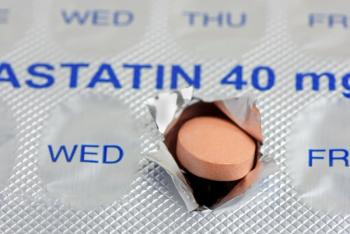
The anti-inflammatory effects of statins may explain the lower risk of proliferative vitreoretinopathy.

On a state-by-state basis, Nebraska had the highest rate and New Jersey had the lowest, according to data presented at ASRS 2026.

Argentina's healthcare trade-offs are playing out in real time. U.S. leaders should be paying attention.
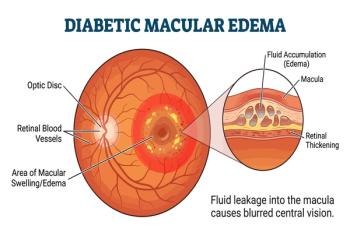
Vabysmo reduced injection burden in both untreated and previously treated patients without impacting vision or retinal thickness in a two-year real-world analysis.

Racial gaps in cancer mortality narrowed sharply since the 1990s, led by declines in certain cancer types, but disparities remain.

A real-world analysis of nearly 2,700 eyes with diabetic macular edema found about 30% of Eylea HD patients reached 12-week or longer dosing intervals, reducing treatment burden over time.

Results of a real-world evidence study show 40% nonpersistence after a year and 80% by year 7.

Ocular Therapeutix plans to submit a new drug application for the sustained-release axitinib/hydrogel implant to treat patients with wet AMD in the fourth quarter of 2026, under the brand name Axpaxli.