



Heart disease became the leading cause of death among Hispanic adults in the U.S. in 2022, and a new American Heart Association statement says risk varies by heritage, with gaps in coverage, language and food access adding to the burden.
Heart disease became the leading cause of death among Hispanic adults in the U.S. in 2022, and a new American Heart Association statement says risk varies by heritage, with gaps in coverage, language and food access adding to the burden.

A five-session course of transcranial magnetic stimulation (TMS) improved processing speed in people with schizophrenia, a cognitive domain that is among the most severely affected in patients.

National Alliance names Jenny Goins interim CEO after former leader’s arrest; details emerge on charges, firing timeline, and impact on healthcare policy circles.

Only 19% use AI predictive models in cancer care despite strong belief in impact; 2026 Oncology Care Index highlights reimbursement, training, funding barriers.

Hispanic HIV incidence rose 16.8% in antisanctuary counties after the 2018 public charge announcement, relative to baseline counties, a new study found.
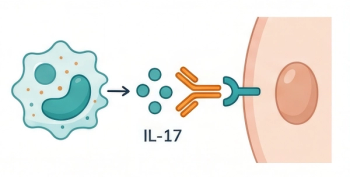
A review of randomized clinical trials, nonrandomized trials and case reports suggests that the inflammatory bowel disease risk from treatment with IL-17 inhibitors is low.

From a 95% remission rate in Japan to $81.6 billion in U.S. savings since 2015 — a data-driven look at where biosimilars stand today, and where the gaps remain.

AI pathology tool measures lung cancer treatment response after neoadjuvant chemoimmunotherapy with 91% accuracy, speeding NSCLC care while needing review for complete response.

A review of 57 studies found music eases pain through positive emotion, control and moving in time with the beat, according to recent research out of Drexel University.

UC San Diego researchers found that early-onset metabolic dysfunction-associated steatotic liver disease cirrhosis was linked to higher genetic risk and Type 2 diabetes prevalence.

Behavior-informed care applies behavioral science principles to personalize support, including positive reinforcement and timely prompts.

Elevated levels of immunoglobulin G (IgG) drive “inflammaging” processes that take a toll on skin tissue as people age, according to research results reported by Japanese researchers. Reducing IgG may mitigate the loss of collagen and elastin.

Pharmacy benefit managers are moving beyond formulary access to provide support programs for women's health. Here's how three PBMs — Judi Health, LucyRx and RxPreferred — are putting that strategy into practice.
Women face more gaps in healthcare than men, from missed screenings, undertreatment and biased coverage. PBMs are launching programs to address some of the gaps.

ProAct Chief Operating Offier Deborah Dempsey says plan sponsors still lack the data and visibility to know whether they were shorted on a 340B claim.

AACR Cancer Progress Report 2026 highlights a 35% U.S. cancer death decline, new FDA advances, persistent disparities, and urgent calls for stronger NIH/NCI funding.

OrionRx's Don Anderson, Pharm.D., says a GLP-1 access model built around mandatory wellness coaching resulted in a six-point drop in body mass index and improved mental health.

Yellow eyelid Xanthelasma signals hidden high cholesterol and cardiovascular disease risk, tripling heart attack and stroke odds; Negin Yavari, M.D., and her team urge screening.

Maladaptive coping at baseline raised relapse and symptom risk over 12 months in first episode psychosis, King's College London researchers found.

Navitus launched three modular options that let plan sponsors manage diabetes, weight, and lifestyle therapy access, cost, and outcomes with guaranteed ROI.
ProAct's Deborah Dempsey, Pharm.D., MBA, RPh, explains how 340B discounts to healthcare entities are in conflict with rebates that manufacturers pay to health plan sponsors.

Optum Rx's Anne Mall, M.H.A., says her company's AI is surfacing clinical details buried in providers' chart notes so clinicians can decide on therapy faster.

Rybrevant (amivantamab) plus chemotherapy reached a 34.3-month median survival in EGFR exon 20 insertion-positive lung cancer, Johnson & Johnson said.
Optum Rx's PreCheck Prior Authorization tool automates 64% of approvals in under 30 seconds, getting patients onto therapy four days faster, Anne Mall, MHA, says.
OrionRx's Don Anderson, Pharm.D., outlines near-term and long-term fixes for the blind spots created when members buy medications outside their pharmacy benefit.

StarkRx has launched as a modular, cost-plus pharmacy benefit management company for self-funded employers using Judi Health’s PBM, Judi Rx, to administer claims.
OrionRx's Don Anderson, Pharm.D., says drugs filled outside a member’s pharmacy benefit could result in excessive and duplicative prescriptions.

As PBMs plan for 2028 rollout of the PBM transparency provisions of the Consolidated Appropriations Act of 2026 (CAA 2026) cost-plus pricing will flip how drug costs look on paper, requiring far more data, says Milliman principal Kessler.

GLP-1 therapies now drive nearly half of prescription drug sales growth, IQVIA's Scott Biggs told PBMI 2026 attendees, reshaping diabetes treatment and pharmacy dispensing economics nationwide.
Kessler, a principal at Milliman, says employers need to pay attention to their claims and pharmacy benefit contracts.