Feature|Videos|October 21, 2026

Eric K. Singhi, M.D., on lessons from Pope Leo’s lung cancer

Pope Leo early-stage adenocarcinoma is a reminder that lung nodules often cause no symptoms and that people who never smoked can get lung cancer.

Pope Leo , 71, underwent surgery after doctors found a localized nodule in his lung at a very early stage; surgeons removed the lower lobe of his right lung, and tissue examined afterward confirmed lung adenocarcinoma. He left the hospital four days later.

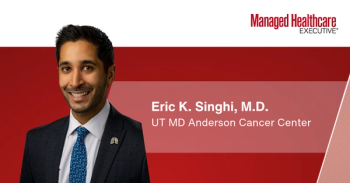
The pope’s diagnosis has put a spotlight on non-small cell lung cancer in people without a smoking history, said Eric K. Singhi, M.D., of the University of Texas MD Anderson Cancer Center in Houston in an interview conducted at the 2026 CHEST meeting in Phoenix.

About 20% of lung cancer cases diagnosed in the United States occur in people who have never smoked, Singhi noted.

Singhi said he also hopes the attention on the pope’s lung will help increase the public understanding of lung nodules. He describes them as a small spot seen in the lungs on a scan, found either incidentally or through screening such as a low-dose CT scan. A nodule is less than 3 centimeters; anything larger is considered a lung mass. Most nodules are not cancer and can be related to infection, inflammation or scar tissue.

In the pope’s case, doctors reportedly performed a lobectomy, removing one of the five lobes of the lung, and found adenocarcinoma, the most common type of lung cancer, particularly among people who have never smoked. Another lesson from the case, Singhi says, is that a person can have a lung nodule, or even lung cancer, with no symptoms at all.

That is why he urges anyone who qualifies for lung cancer screening based on age and smoking history to get screened. “When we catch lung cancer early, that is our opportunity for cure,” Singhi said.

Related to this article

Eric K. Singhi, M.D., on lung cancer among younger adults
Young-onset lung cancer often strikes nonsmokers, and current screening based on smoking is not likely to find it, says Singhi, an assistant professor at UT MD Anderson Cancer Center in Houston. New risk-based screening, liquid biopsies, and breath tests aim earlier detection.