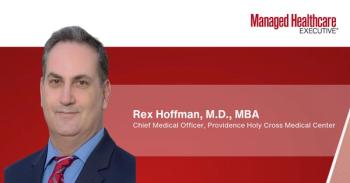
Rex Hoffman, M.D., MBA, says physician shortages and burnout are the most underestimated pressures on health system.
$50M fuels Cleveland Clinic AI efforts, launching a "Digital Front Door" to guide patients to the right care, cut ER crowding and improve access.
A $50 million donation to Cleveland Clinic is helping support a larger effort to redesign how patients access care, and the impact could reach well beyond northeast Ohio.
The funding, announced
At the center of the initiative is an AI-enabled “Digital Front Door,” which is designed to guide patients before they arrive for care. According to the release, the tool will direct patients or users to the most appropriate setting, such as virtual visits, urgent care or emergency services, based on their needs and location.
Like the Clinic, other health systems and health plans are investing in ways to better guide patients to the right type of care and help control costs. Research, including work from CMS, shows that
Cleveland Clinic leaders said the new system is intended to ease those pressures while improving the patient experience.
“With real-time data and a guided interface, this tool will shorten delays, lower congestion in emergency departments and direct each person to the best care based on clinical need and location,” the organization said in the release.
The initiative also includes a broader redesign of Cleveland Clinic’s immediate care experience, according to the organization. For example, plans include improved coordination between care teams, updated IT systems and changes to facility flow and signage designed to create a more seamless patient journey from first contact through follow-up care.
Tom Mihaljevic, CEO and president of the Cleveland Clinic, said in the release that the generosity from the Mandel Foundation allows the organization to expand care to their patients and communities. He added that the expansion of the emergency services will “help us better care for patients with the most serious injuries, ensuring they receive the specialized treatment they need when it matters most.”
Another key component is the development of a Level I trauma center on the system’s main campus. The expansion will add 24/7 trauma surgery, advanced imaging and critical care services, along with upgraded treatment spaces and specialized equipment.
For managed care leaders, the announcement highlights how provider organizations are taking a more active role in guiding patient utilization, an area traditionally shaped by health plans through network design and prior authorization.
In addition, digital front door strategies, in particular, are rising as a way for providers to influence patient decisions earlier in the care journey. By steering patients to lower-cost settings when appropriate and reserving emergency resources for the most serious cases, these tools could help address both cost and capacity challenges.
This effort also highlights the role that external funding can play in supporting large-scale care delivery efforts. Philanthropic investments such as this one are typically used to support infrastructure projects, digital tools and access improvements that can be challenging to fund through traditional reimbursement alone.
Foundation leaders dedicated the effort as part of a broader commitment to improving community health.
“Every resident of our city deserves access to the best care in the world, and Cleveland is fortunate to be the home of one of the world’s great healthcare systems,” Jehuda Reinharz, president and CEO of the Mandel Foundation, said in the release. “We are proud to help Cleveland Clinic fulfill that promise. This work will strengthen the future health of our entire community.”
Although the program is focused on Cleveland, its approach aligns with national trends. Health systems across the country are working to build more connected, consumer-friendly entry points into care, now using AI more often and real-time data to guide patients more effectively.