


Semaglutide cut body weight by more than 24 lbs versus placebo in antipsychotic-treated patients with schizophrenia, according to a recent study published in JAMA Psychiatry.
Semaglutide cut body weight by more than 24 lbs versus placebo in antipsychotic-treated patients with schizophrenia, according to a recent study published in JAMA Psychiatry.

Edward Machtinger, M.D., of UCSF says most mental illness and substance use trace back to trauma, and clinics that ignore this can retraumatize patients.
Edward Machtinger, M.D., of UCSF says stigma often keeps women with HIV silent and isolated, discouraging care and disclosure to family and friends.

Investigator Charles C. Wykoff, M.D., Ph.D., discusses the mechanism of Zenkuda (tarcocimab) and why there is a need for new anti-vascular endothelial growth factor (VEGF) to treat patients with diabetic retinopathy.
Investigator Charles C. Wykoff, M.D., Ph.D., discusses the full results of the GLOW2 study, which found that Zenkuda (tarcocimab) resulted in improvement in diabetic retinopathy, including in patients who were taking GLP-1 agonists for their diabetes.

The Economics of Cell and Gene Therapy: Managing the Cost, Realizing the Value

Specific brainstem inhibitory neurons help the brain filter out distractions by suppressing competing sensory signals, allowing mice (and presumably humans) to stay focused.

A former radiation oncologist turned chief medical officer, Rex Hoffman, M.D., MBA, has spent the past several years expanding his leadership footprint across Providence Holy Cross Medical Center’s health system while authoring multiple books aimed at helping physicians navigate the transition into executive roles.

Marc Elia of Invyvid explains the difference between vaccines and monoclonal antibodies.

Sponsored
Cloud-based pharmacy benefit administration (PBA) platforms are providing transparency for pharmacies and patients.

In this closing segment, Drs. Lovly and Shaw synthesize the most important lessons from the 7-year CROWN update, address the study's remaining limitations and unanswered questions, and reflect on what this data means for the broader landscape of ALK-positive NSCLC care — from treatment guidelines to payer decision-making to patient survivorship.
Built from the experiences of patients, advocates and clinicians, a new MASH patient journey map offers a roadmap for navigating diagnosis and highlights the need for greater public understanding of the disease.
Financial sustainability and innovation are interdependent, as clinician-led contracting strategies that improve outcomes generate savings that fund further innovation.
This segment brings together two essential threads — the broader context of lorlatinib's remarkable durability relative to earlier ALK inhibitors, and the practical, multidisciplinary strategies clinicians need to support patients on long-term therapy — while making a compelling case for why these data are directly relevant to community oncology practice.
This segment addresses one of the most practically important aspects of lorlatinib therapy — its distinct and manageable safety profile — and provides clinicians with actionable guidance on dose optimization strategies to support long-term treatment tolerability.

Lung cancer has shifted from a rare, smoking-driven disease to one increasingly seen in young non-smokers, especially women, with possible links to pesticide exposure from otherwise “healthy” diets.
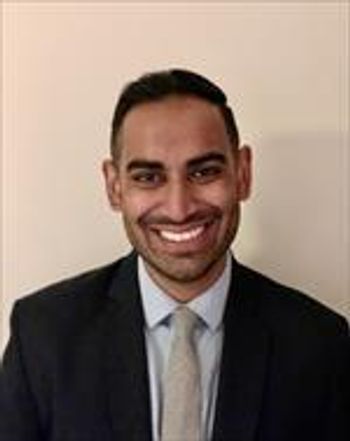
Aksharananda (Akshar) Rambachan, M.D., an UCSF physician-researcher, says that when used together, the numeric pain score and function scores give clinicians a far more complete clinical picture of a patient’s pain.

Thomas Martens, M.D., explains what drives adoption and how CONNECT's Level A evidence could move CGM coverage.
This segment introduces the Phase III CROWN study, providing essential background on its design and framing the remarkable significance of reporting 7-year follow-up data in the setting of advanced, stage 4 ALK-positive NSCLC.
This segment introduces the Phase III CROWN study, providing essential background on its design and framing the remarkable significance of reporting 7-year follow-up data in the setting of advanced, stage 4 ALK-positive NSCLC.
Thomas Martens, M.D., on why outcomes with CGM in CONNECT—including five more hours per day in range—came largely from lifestyle change, not added medication.
Thomas Martens, M.D., explains why CONNECT's 1.6% A1C reduction with continuous glucose monitoring is so exciting in patients with type 2 diabetes not on insulin.

Evolocumab cut major cardiac events by 29% in high-risk diabetes without prior heart attack or stroke in VESALIUS-CV subgroup data from ADA 2026.

Survodutide's SYNCHRONIZE trials show weight loss driven by visceral and liver fat, not muscle.
This segment dives into two of the most practically important questions facing clinicians who manage ALK-positive NSCLC: how to optimally test for ALK rearrangements, and how to select among the growing number of first-line treatment options available today.
This segment opens with foundational context on ALK-positive non-small cell lung cancer, establishing the clinical and scientific backdrop that makes this disease state — and its recent treatment advances — so compelling.
Phase 3 data show survodutide reduced liver fat by 63% and visceral fat by 34% — effects investigators say go beyond what weight loss alone explains.

Shame, fueled by stigma, can deter care for HIV patients; recognizing it and responding compassionately can reduce harm, according to Abigail Bachelder, M.P.H., Ph.D., associate psychiatry professor at Boston University Chobanian & Avedisian School of Medicine.

Tanya Dorff, M.D., breaks down early ABBV-969 data showing strong responses in heavily pretreated mCRPC at ASCO 2026.

A study participant in the trial of daraxonrasib felt like he was part of something special, says UT MD Anderson's Shubham Pant, "and he is."