


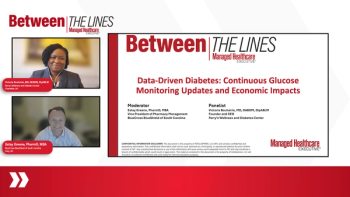
Higher CGM use links to bigger A1c drops in type 2 diabetes, revealing how monitoring and meds like GLP-1s drive better control.
Higher CGM use links to bigger A1c drops in type 2 diabetes, revealing how monitoring and meds like GLP-1s drive better control.

In the final episode, Shaping the Future of Immunotherapy in NSCLC, the panelists explore the following critical questions: Which additional data would you like to see with immunotherapies used in NSCLC? What is the relevance of the EMPOWER-Lung 3 for patients and payors? How do you see the future management of NSCLC evolving with immunotherapies and do you see a potential role for extended dosing?
This episode, titled Future Directions in Vitiligo: Emerging Therapies and Patient-Centered Care, features Dr. Desai discussing the following critical questions:
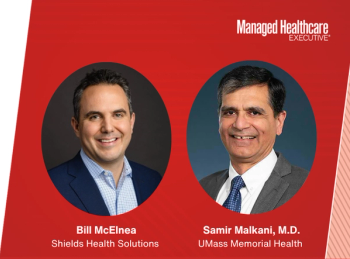
A pharmacist-led specialty pharmacy model that expands into care management services could help health systems improve chronic disease outcomes while supporting cost savings under value-based care, according to presenters at the Asembia Specialty Pharmacy Summit that took place in Las Vegas this week.

HealthDyne is one of the dispensing pharmacies for the Lilly Employer Direct program that the company launched in March. HealthDyne executives expect their skyrocketing growth in its new direct-to-employer business.
HealthDyne’s Sarah Thomas and David Skomo say that direct-to-patient arrangements eliminate opacity in drug pricing and allow employers to offer drug coverage with a certainty about the budget required.
Even for high-priced specialty drugs, direct-to-patient (DTP) sales could help with access and affordability, say HealthDyne’s David Skomo and Sarah Thomas. Payers can lower out-of-pocket costs for members by funding health reimbursement arrangements, money that can be used to buy DTP drugs.
A high-touch specialty pharmacy program that combines pharmacist support, telehealth and value-based care reduced medical costs and improved outcomes for patients with diabetes, according to presenters at the Asembia Specialty Pharmacy Summit.

Teclistamab has a clear advantage because it was the first bispecific antibody to be approved, said Adams. Route of administration, the pace of the step-up dosing, the relationship with community providers and risk evaluation and mitigation strategies (REMS) requirements all factor into formulary decisions, she said. Payers may start preferring one bispecific antibody over another because the efficacy among them is similar, Adams said.
Frequent CGM use ties to bigger A1c drops in type 2 diabetes, even across GLP-1, SGLT2, and insulin regimens.
Bispecific antibodies are currently approved as late-line therapy, but they are moving up to earlier lines “as they prove their worth, so to speak,” said Adams. She discussed the efficacy, route of administration, dosing mechanism of action, and the various tradeoffs among the four bispecific antibodies that the FDA has approved: teclistamab, elranatamab, talquetamab and linvoseltamab.

In this clip, Lindsay Greenleaf, J.D., MBA, discusses the latest news concerning the 340B Drug Pricing Program, calling out what she believes is “abuse” within the program.
Provider groups, especially community oncologists, are worried that drug prices negotiated under the IRA will drastically reduce their buy-and-bill revenue from administering drugs. Lindsay Greenleaf, J.D., MBA, discusses drugmaker rebates to the federal government as a way to allay their fears.
ADVI Health’s Lindsay Greenleaf discusses how most-favored-nation drug pricing is playing out among specialty drugs.
In this episode, Optimizing Immunotherapy Selection and Safety Management in NSCLC, the panelists explore the following questions: How are you deciding between available immunotherapies in NSCLC, both as monotherapies and in combination with chemotherapy? What are your current protocols for monitoring and managing adverse events associated with immunotherapies? Does the consistent adverse event profile with cemiplimab plus chemotherapy over 5 years increase this regimen’s clinical value?
A pharmacist-led specialty pharmacy care model presented at AXS26 shows improved A1C control, fewer hospital visits and lower total costs by expanding support beyond medications to include lifestyle, social needs and care coordination for high-risk patients.
A specialty pharmacy model presented at AXS26 shows how expanding pharmacist roles into care management can improve outcomes and support shared savings in value-based care.
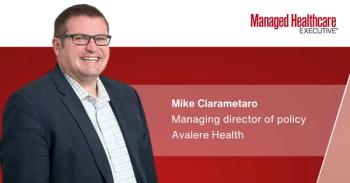
In this clip, Mike Ciarametaro, managing director of policy at Avalere Health, explains all the “moving pieces” that could affect the health policy landscape in the coming months.

Ahead of Asembia’s 2026 Specialty Pharmacy Summit, Avalere Health's Mina Allo and Mike Ciarametaro discussed the potential impact of PBM reform on the employer market and the likelihood of partisan legislative gridlock ahead of the upcoming elections.
In Emerging Role of Oral JAK Inhibition in Vitiligo Management, Dr. Desai delves into the following critical questions:

Bispecific antibodies are highly efficacious and have a milder side effect profile than other late-line treatments for multiple myeloma, according to Adams.
Multiple myeloma accounts for only 1.8% of cancers, but it is the second-most common blood cancer, with approximately 36,000 new cases diagnosed each year in the U.S., says Adams. The number of treatment choices has proliferated as new innovative therapies, such as the bispecific antibodies and chimeric antigen receptor (CAR) T-cell therapy, have been developed.
Learn how continuous glucose monitors fit school, work, and hospitals, reducing finger sticks, improving sleep, and clarifying alarm options.
See how 2026 ADA guidance broadens CGM use beyond insulin, urges payer coverage, and highlights kids, pregnancy, and older adults at risk.
This episode, titled Interpreting EMPOWER-Lung 3: Key Endpoints and Confidence in Cemiplimab-Based Therapy, features lung cancer experts answering the following critical questions: What are your main takeaways from the data covered? Which of the endpoints examined are most important for your clinical practice and why? Does the consistent benefit with cemiplimab plus chemotherapy across the different subgroups increase your confidence?
In this episode, Long-Term Repigmentation Outcomes and Real-World Use of Ruxolitinib Cream, Dr. Desai explores the following questions:

At the AMCP Annual Meeting this week, experts from Prime Therapeutics said virtual navigation and clinical pathways are helping lower acute care use, guide treatment decisions and improve outcomes for patients with cancer.

In this interview, Luis Ortiz, M.D., explains the current and emerging therapies for narcolepsy type 1 treatment.