


Elacestrant significantly improved progression-free survival and maintained a manageable safety profile, especially benefiting patients with ESR1-mutated tumors.
Elacestrant significantly improved progression-free survival and maintained a manageable safety profile, especially benefiting patients with ESR1-mutated tumors.
Among chemotherapy-naive patients, elacestrant extended median progression-free survival compared with standard therapy, particularly in ESR1-mutated cases.
The EMERALD study carries significant implications across multiple stakeholders in ER+/HER2- metastatic breast cancer.
Efficacy analyses from the EMERALD trial demonstrated that the oral SERD elacestrant improved progression-free survival, particularly in patients harboring ESR1 mutations, highlighting its potential to overcome endocrine resistance.
Stratification in clinical trials, such as by ESR1 mutation status, presence of visceral metastases, and prior fulvestrant exposure, mirrors key considerations in real-world management of ER+/HER2- metastatic breast cancer.
The EMERALD trial enrolled patients with ER+/HER2- metastatic breast cancer who had progressed on prior endocrine therapy, including mandatory exposure to a CDK4/6 inhibitor, reflecting a modern and clinically relevant population.
The EMERALD trial, which evaluated an oral selective estrogen receptor degrader (SERD) versus standard-of-care endocrine therapies, features several notable design strengths.
Treatment sequencing in ER+/HER2- metastatic breast cancer has become increasingly complex as new endocrine therapies, targeted agents, and antibody–drug conjugates enter the landscape.
Patients with ER+/HER2- metastatic breast cancer who harbor ESR1 mutations face distinct challenges that contribute to poorer outcomes. These mutations drive endocrine resistance, limiting the effectiveness of aromatase inhibitors and necessitating alternative strategies.
In ER+/HER2- metastatic breast cancer, treatment in later lines focuses on extending disease control while managing resistance and maintaining quality of life.
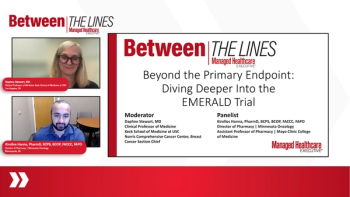
The EMERALD trial evaluated elacestrant, an oral SERD, as a potential new standard for patients with ER+/HER2– advanced breast cancer resistant to prior endocrine therapies.
November 6th 2025
October 30th 2025
November 13th 2025