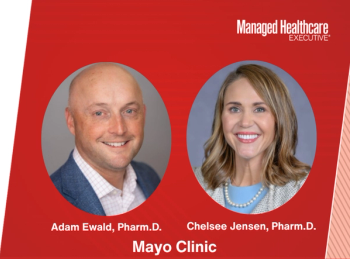
Mayo Clinic experts said managing high-cost drugs requires clear definitions, strong formulary review processes and closer collaboration among health systems, payers and manufacturers to balance access, cost and quality of care.
Mayo Clinic experts said managing high-cost drugs requires clear definitions, strong formulary review processes and closer collaboration among health systems, payers and manufacturers to balance access, cost and quality of care.
A pharmacist-led specialty pharmacy model that expands into care management services could help health systems improve chronic disease outcomes while supporting cost savings under value-based care, according to presenters at the Asembia Specialty Pharmacy Summit that took place in Las Vegas this week.

Direct to consumer, direct to patient, direct to employer — the "direct to" channel comes in different flavors and was a hot topic at the Asembia specialty pharmacy meeting this week in Las Vegas.
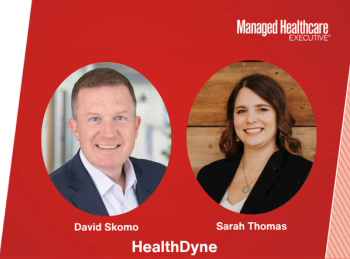
HealthDyne is one of the dispensing pharmacies for the Lilly Employer Direct program that the company launched in March. HealthDyne executives expect their skyrocketing growth in its new direct-to-employer business.
HealthDyne’s Sarah Thomas and David Skomo say that direct-to-patient arrangements eliminate opacity in drug pricing and allow employers to offer drug coverage with a certainty about the budget required.
Even for high-priced specialty drugs, direct-to-patient (DTP) sales could help with access and affordability, say HealthDyne’s David Skomo and Sarah Thomas. Payers can lower out-of-pocket costs for members by funding health reimbursement arrangements, money that can be used to buy DTP drugs.
A high-touch specialty pharmacy program that combines pharmacist support, telehealth and value-based care reduced medical costs and improved outcomes for patients with diabetes, according to presenters at the Asembia Specialty Pharmacy Summit.

There have been tremendous advances in specialty drugs, but those advances have also brought a lot of complexity for payers. Payers are considering new strategies for their specialty benefit.
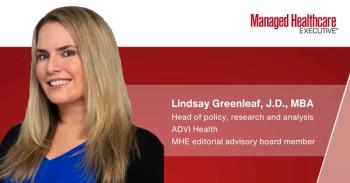
In this clip, Lindsay Greenleaf, J.D., MBA, discusses the latest news concerning the 340B Drug Pricing Program, calling out what she believes is “abuse” within the program.

Drugs with $10 billion in sales are dominating the pharmaceutical market, says Luke Greenwalt, MBA.
Provider groups, especially community oncologists, are worried that drug prices negotiated under the IRA will drastically reduce their buy-and-bill revenue from administering drugs. Lindsay Greenleaf, J.D., MBA, discusses drugmaker rebates to the federal government as a way to allay their fears.
ADVI Health’s Lindsay Greenleaf discusses how most-favored-nation drug pricing is playing out among specialty drugs.
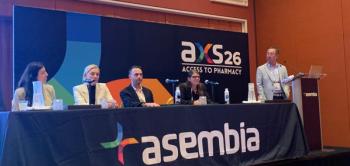
A pharmacist-led specialty pharmacy care model presented at AXS26 shows improved A1C control, fewer hospital visits and lower total costs by expanding support beyond medications to include lifestyle, social needs and care coordination for high-risk patients.
A specialty pharmacy model presented at AXS26 shows how expanding pharmacist roles into care management can improve outcomes and support shared savings in value-based care.
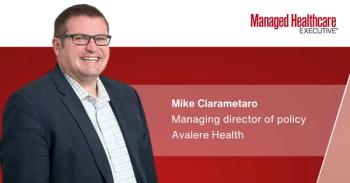
In this clip, Mike Ciarametaro, managing director of policy at Avalere Health, explains all the “moving pieces” that could affect the health policy landscape in the coming months.

Ahead of Asembia’s 2026 Specialty Pharmacy Summit, Avalere Health's Mina Allo and Mike Ciarametaro discussed the potential impact of PBM reform on the employer market and the likelihood of partisan legislative gridlock ahead of the upcoming elections.
IQVIA's Luke Greenwalt, MBA, and Lucille Accetta, RPh, M.P.H., MBA, chief pharmacy officer and head of CVS Specialty, are speaking at tomorrow's general session. Lindsay Greenleaf, J.D., MBA, of ADVI Health, and Will Shrank, M.D., co-founder and CEO of Aradigm, also have speaking slots during the meeting.

High costs and the novelty and complexity of new therapies such as gene therapy present social determinants of health and health literacy challenges, says Tiara Green, president of Accessia Health

Cost is a barrier to care for chronic and rare diseases, so financial assistance is way to lower that barrier and help people manage their health condition, says Green, president of Accessia Health

Digital pharmacy solutions can help brick and mortar locations become more efficient, according to Sarah Thomas, VP of sales and commercialization at HealthDyne and David Skomo, COO of HealthDyne.
A growing and more diverse pipeline means that there is a greater need for digital innovations, which can address affordability, access and industry collaboration, according to Sarah Thomas, VP of sales and commercialization at HealthDyne and David Skomo, COO of HealthDyne.

Payers and providers, often depicted as rivals, are on the same side when it comes to the 340B program that allows some hospitals to buy drugs at steep discounts, according to Milliman experts.
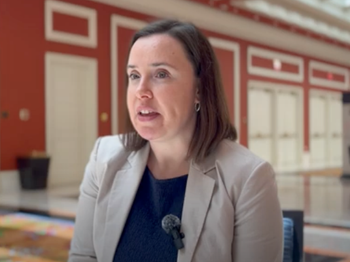
Becky Davis of Charles River Associates predicts that an influx of new and oral GLP-1 drugs, along with pricing pressures from policy and competition, will reshape the weight loss drug market in the next two years.
At the 2024 Asembia Specialty Pharmacy Summit, Becky Davis, principal at Charles River Associates, discussed how employer-based insurance coverage for GLP-1s remains uneven—and what factors are influencing decisions about access to these weight-loss treatments.

At this year’s Asembia Specialty Pharmacy Summit in Las Vegas, Managed Healthcare Executive spoke with John Beardsley, senior vice president of corporate business development at CoverMyMeds, and Fauzea Husain, vice president of public policy at McKesson, about what potentially lies ahead for the Inflation Reduction Act under this Trump administration.
At the 2025 Asembia Specialty Pharmacy Summit in Las Vegas, John Beardsley, senior vice president of corporate business development at CoverMyMeds, and Fauzea Husain, vice president of public policy at McKesson, discussed the future of Medicare drug pricing, including potential changes to the “pill penalty” and efforts to improve transparency in the negotiation process.
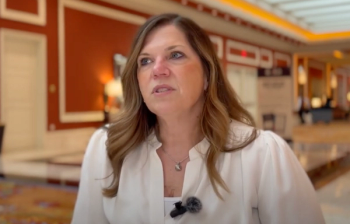
Kathi Henson, senior vice president of patient services, nursing and quality at Orsini, spoke with MHE editors at this year’s Asembia Specialty Pharmacy Summit in Las Vegas about how analytics and AI are shaping the future of specialty pharmacy. She highlighted the unique role data plays in improving patient outcomes, managing rising costs and maintaining high standards of care in an increasingly complex field.

Fran Gregory, PharmD, MBA, VP of emerging therapies at Cardinal Health, talks about the importance of market access strategies in the cell and gene therapy space.