



News|Articles|September 14, 2026
Amivantamab, chemo combo shows nearly 3-year survival in EGFR exon 20 lung cancer
Author(s)Briana Contreras
Listen
0:00 / 0:00
Key Takeaways
- PAPILLON randomized 308 patients to IV amivantamab plus carboplatin/pemetrexed or chemotherapy alone in newly diagnosed advanced/metastatic EGFR exon 20 insertion NSCLC.
- Median OS was 34.3 versus 27.9 months, and 76% crossover to second-line amivantamab likely attenuated the between-arm survival separation.
Rybrevant (amivantamab) plus chemotherapy reached a 34.3-month median survival in EGFR exon 20 insertion-positive lung cancer, Johnson & Johnson said.
Advertisement
Patients with a historically hard-to-treat form of non-small cell lung cancer (NSCLC) lived roughly three years after starting first-line treatment with Rybrevant (amivantamab) combined with chemotherapy, according to
What the PAPILLON trial found
PAPILLON enrolled 308 patients with newly diagnosed advanced or metastatic NSCLC driven by epidermal growth factor receptor (EGFR) exon 20 insertion mutations, randomizing them to intravenous amivantamab plus carboplatin and pemetrexed chemotherapy or to chemotherapy alone. In the phase 3 trial, the amivantamab combination produced a median overall survival of 34.3 months, versus 27.9 months for chemotherapy alone, a gap of more than six months that fell short of statistical significance.
This result came despite 76% of eligible patients on the chemotherapy-alone arm switching to second-line amivantamab once their cancer progressed, which tends to narrow the survival gap between study arms. When researchers adjusted for that crossover, the combination showed a 43% reduction in the risk of death. Patients on amivantamab and chemotherapy combo also went nearly 11 months longer before their disease progressed a second time (28.3 months versus 17.5 months), and 12% remained on their original treatment at the data cutoff, compared with none in the chemotherapy-alone arm. Patient-reported outcomes favored the combination as well, delaying the worsening of several lung cancer symptoms.
The safety profile was consistent with earlier reports, with no new concerns after longer follow-up. The most common treatment-related side effects, each occurring in at least 30% of patients, were paronychia, or nailbed inflammation (60%), low white blood cell counts (60%) and rash (58%).
“We’ve come a long way in treating EGFR exon 20 insertion-positive lung cancer, and these results demonstrate the lasting impact amivantamab plus chemotherapy can have in helping patients live longer,” Chul Kim, M.D., M.P.H., director of thoracic oncology at MedStar Georgetown University Hospital, said in the Johnson & Johnson news release. “Patients are continuing treatment years after they started, which speaks to the durability of this approach and its value as a first-line treatment for this disease.”
Why EGFR exon 20 insertion mutations have been hard to treat
EGFR exon 20 insertion mutations make up about 12% of all EGFR mutations in NSCLC, making them the third most common activating EGFR mutation. Unlike the more common exon 19 deletion and L858R mutations, they have historically resisted targeted therapy, leaving patients with few options and poorer outcomes. Median overall survival for the exon 20 insertion subtype has typically run 16 to 24 months, with just 8% of patients alive at five years. Johnson & Johnson said the 34.3-month median in PAPILLON is nearly double the 16.2-month median overall survival reported in a real-world cohort of these patients.
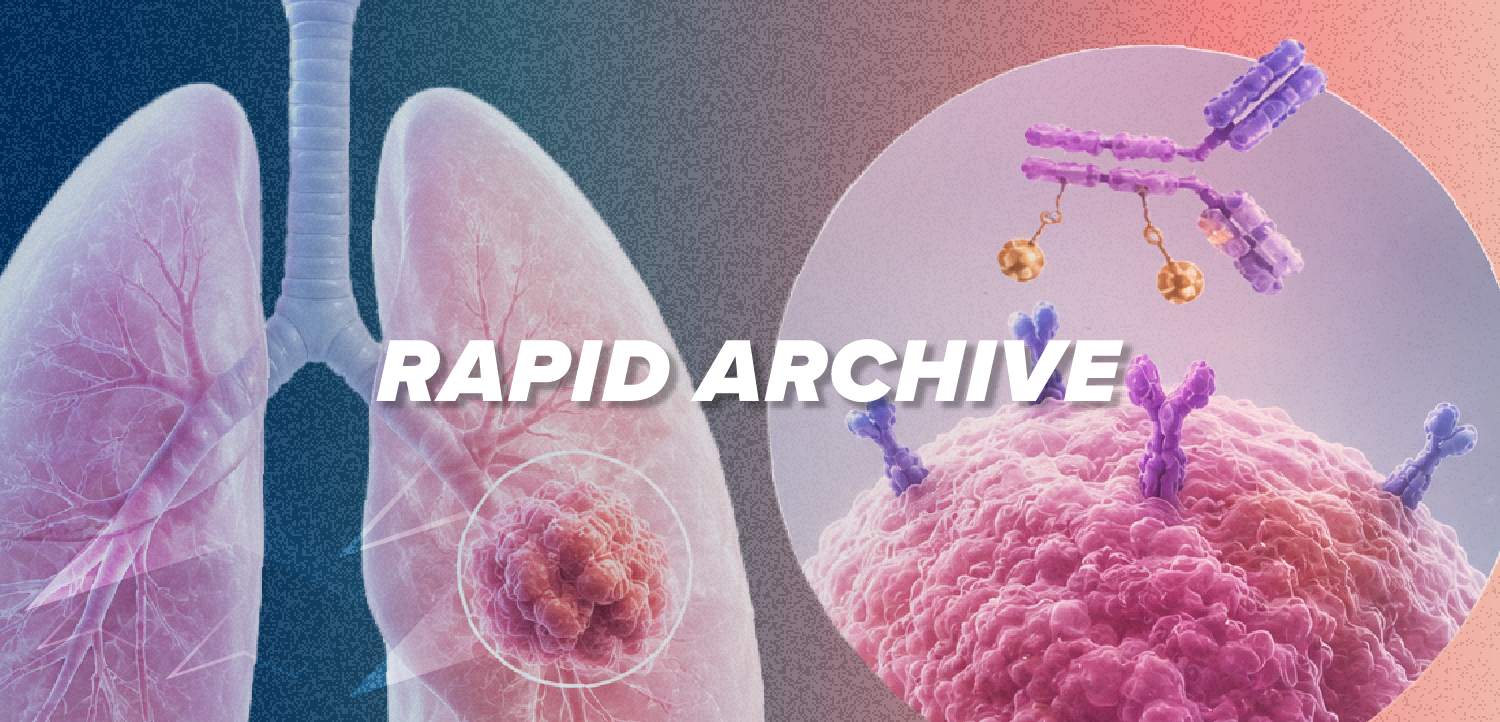
Amivantamab is a bispecific antibody that targets both EGFR and MET, two proteins that drive tumor growth and treatment resistance, while also engaging the immune system. It’s approved in the U.S. and Europe for EGFR-mutated advanced NSCLC spanning the common exon 19 deletion and L858R mutations as well as exon 20 insertion mutations, across first- and second-line settings. The
“We have long believed amivantamab could transform the outlook for patients with EGFR-mutated lung cancer by addressing key drivers of disease progression and treatment resistance,” Yusri Elsayed, M.D., M.H.Sc., Ph.D., global therapeutic area head of oncology at Johnson & Johnson, said in the release. “With the longest survival seen in this patient population, these results add to the growing body of evidence across common, atypical and exon 20 insertion EGFR mutations and further establish the regimen as a backbone therapy.”
What it means for payers and the broader NSCLC landscape
Lung cancer remains the leading cause of cancer death in the U.S., with an estimated 229,410 new cases and 124,990 deaths projected for 2026, according to
Johnson & Johnson also presented additional PAPILLON-adjacent data at WCLC 2026, including prophylactic strategies to manage amivantamab’s side effects in the COPERNICUS study and a subcutaneous formulation of amivantamab evaluated in the PALOMA-2 study. A subcutaneous option, if approved, could shift some patients away from infusion-chair time, a factor that affects site-of-care costs and scheduling for health systems and payers alike.
“For patients with EGFR exon 20 insertion-mutated non-small cell lung cancer, the treatment chosen at the outset can make a profound difference,” Henar Hevia, Ph.D., EMEA therapeutic area head of oncology at Johnson & Johnson, said in the release. “These long-term PAPILLON results demonstrate the longest reported median overall survival to date in this disease, highlighting the importance of early identification and ensuring patients can access the most effective treatment approach from the beginning.”
Advertisement
Related Content
Advertisement


Latest CME









Advertisement
Advertisement
Trending on Managed Healthcare Executive
1
Growth of GLP-1 therapies has reshaped the market | PBMI 2026
2
Judi Health, Employers Health team up to launch new PBM solution
3
Brandon Kessler on pharmacy pricing under CAA 2026 | PBMI 2026
4
States push for new PBM reporting rules | PBMI 2026
5