




Health Systems
Latest News
Advertisement
Latest Videos

























Advertisement
More News
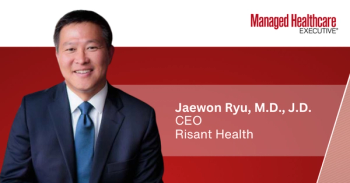
Jaewon Ryu, M.D., J.D., sees prevention and early recognition of disease as central to value-based care practices and programs at health systems.
Jaewon Ryu, M.D., J.D., CEO of Risant Health, discusses the role of accountable care organizations in supporting value-based practices at health systems.

Risant Health takes Kaiser Permanente's value-based care practices for a test drive — and likes the ride
Published: | Updated:
Risant’s CEO, Jaewon Ryu, M.D., J.D., discusses some of the early successes of bringing a set of Kaiser Permanente’s value-based care practices to Risant's health systems—Geisinger Health in Pennsylvania and Cone Health in North Carolina. Consistency and "systemness” are key.
The National Specialty Care Access Coalition aims to standardize care models, modernize reimbursement policies, and pilot programs in cardiology, neurology, and maternal-fetal medicine nationwide.

A new economic evaluation finds that pairing extended counseling with a brief course of nicotine replacement therapy offers the best value for health systems integrating smoking cessation into lung cancer screening.

Rural hospital study found text messaging intervention significantly improved medication adherence for heart failure patients, demonstrating that simple technology can reduce readmissions.

Ten Medicaid tech companies pledge over $600 million in support to help states meet new community engagement requirements and modernize eligibility systems.

Urgent care spending surges over 50% from 2018 to 2022, driven by increased visits, highlighting its vital role in healthcare access.

Proposed Medicare Advantage payment updates spark concern among insurers and investors, raising questions about risk adjustment and potential impacts on beneficiaries.

Physician groups prioritize patient care leadership and Medicaid reforms for 2026, addressing workforce challenges and public health issues in upcoming legislation.

CHOP partners with Soar Autism Center to enhance early autism care access, reducing wait times and providing integrated therapy services for families.

IBX names Jefferson Health, Penn Medicine and Temple Health as 2026 Clinical Care Innovation Grant recipients
Published: | Updated:
Independence Blue Cross announces three out of five 2026 Clinical Care Innovation Grants to enhance healthcare access and outcomes through innovative projects by leading health systems.
The results of an American Society of Health-System Pharmacists survey shed some light on what is on the minds of pharmacy leaders at health systems.

Tranexamic acid given during noncardiac surgery reduced blood transfusions by 2.4% without increasing blood clots, potentially saving millions of transfusion units annually nationwide.

In this episode of his “Conversations With Perry and Friends” podcast, Perry Cohen, Pharm.D., a member of the Managed Healthcare Executive editorial advisory board, spoke with Rita Shane, vice president and chief pharmacy officer at Cedars-Sinai Medical Center in Los Angeles.

Telehealth mostly replaces in-person visits, with a 74% substitution rate, indicating lower federal costs and sustained value beyond the pandemic.
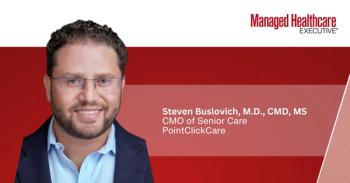
In this interview, Steven Buslovich, M.D., CMD, MS, CMO of Senior Care at PointClickCare describes AI’s role in care transitions within healthcare systems and how AI can reduce readmission rates.

Employers adapt healthcare strategies amid rising costs, focusing on specialty drugs and chronic conditions to enhance employee wellbeing and control expenses.

Providers also have concerns about being able to stock certain medications, which would have a negative impact on their patients, according the Avalere Health survey.

Jennifer Walsh of George Washington University’s School of Nursing warned that limiting COVID-19 vaccine approvals to older adults and high-risk groups could heighten disparities, reduce access and leave vulnerable populations at greater risk of infection and severe outcomes.

Two separate analyses in Health Affairs find the One Big Beautiful Bill creates a loophole that exempts or delays orphan drugs — many of them blockbuster drugs that generate billions of dollars in sales — from price negotiations.

ICER’s comparative effectiveness and value review of Wegovy, Zepbound and oral semaglutide finds they are highly effective treatments with significant health benefits, but affordability and long-term management are still unresolved.

Healthcare organizations face ongoing challenges like burnout and inefficiency, but a shift towards integrated technology and collaboration offers hope for improvement.

Without guardrails, artificial intelligence can be abused, leading to overbilling and high volumes of appeals. But with the right strategy, AI can enhance — not compromise — the integrity of care and payment.

Jason R. Smith, Pharm.D., appointed as chief pharmacy officer in February 2025 for the University of Rochester Medical Center, talks about building a stronger workforce, managing drug shortages and keeping up with changes in regulations because of the new administration.
Advertisement
Advertisement
Trending on Managed Healthcare Executive
1
Christine Johnston on why biosimilars are losing formulary ground
2
Medical debt burdens more than 1 in 4 adults in the U.S., survey finds
3
McKesson, private equity firm buy home infusion company, Option Care Health
4
Medicare Advantage needs fixing. Here are 3 feasible repairs
5