



















Dermatology
Latest News
Advertisement
CME Content
Advertisement

A Q&A between Shawn Kwatra, M.D., professor and chair of dermatology at the University of Maryland School of Medicine, and Managed Healthcare Executive about new discoveries in chronic itch, how treatment options are improving and the challenges patients face in getting access to the right therapies.
In this second part of a video series, Shawn Kwatra, M.D., professor and chair of dermatology at the University of Maryland School of Medicine, described a common scenario where patients with severe atopic dermatitis must first try and fail multiple topical treatments, all while having widespread symptoms, before insurers will approve systemic therapies.

A new drug application for povorcitinib is expected to be filed in late 2025 to early 2026 to treat adult patients with moderate to severe hidradenitis suppurativa, a chronic and painful inflammatory skin condition.

A break from treatment with Vtama won’t lead to worsening of patients’ atopic dermatitis, finds a new analysis of an open-label study.
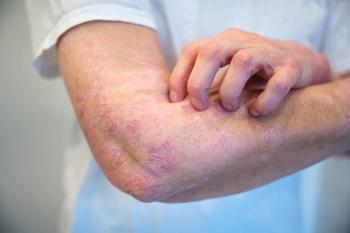
A protein called NF-kB c-Rel has been found to intensify the symptoms of psoriasis, offering a potential new target for treatments.
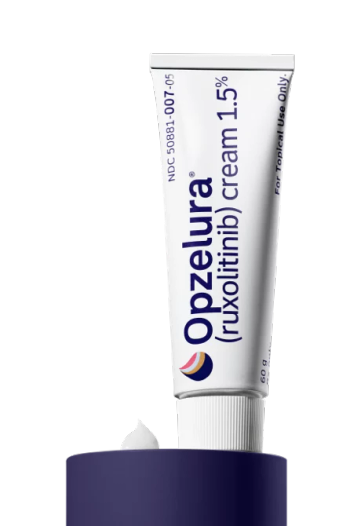
Opzelura is a treatment for nonsegmental vitiligo in patients 12 and older, making it the first and only cream in the U.S. that helps restore skin color for this condition. It’s also approved to treat mild to moderate atopic dermatitis in patients 12 and older who are not immunocompromised.
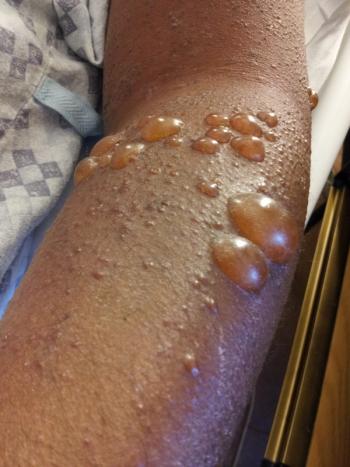
Pemphigus is a rare autoimmune disease that causes painful blisters on the skin and mucous membranes, including the mouth, nose, throat, eyes and genitals.
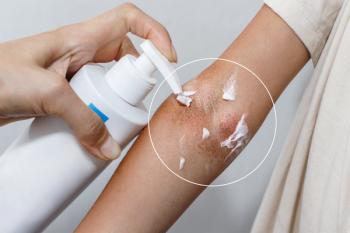
Tapinarof, however, offers a potential solution by improving the skin barrier, reducing inflammation and relieving itch without the limitations of traditional treatments.
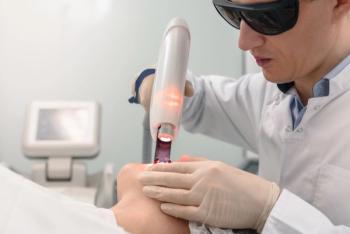
In a phase 2 clinical trial, researchers examined baricitinib and NB-UVB in adults with severe vitiligo in the dermatology departments at 4 hospitals in France between July 2021 and April 2023.
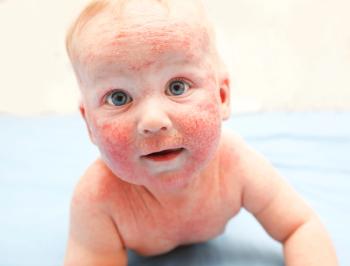
A South Korean study explored the link between lifestyle decisions beginning in infancy and persistent atopic dermatitis, citing exclusive breast milk diet and childhood obesity as potential factors.
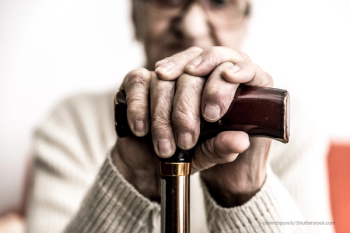
Out of 6,540 patients involved in a study, 7.1% of those with AD had mobility impairment compared to 3.9% of those without AD.

Regenerative medicine focuses on repairing damaged skin and bringing back melanocytes, the cells that give skin its color.

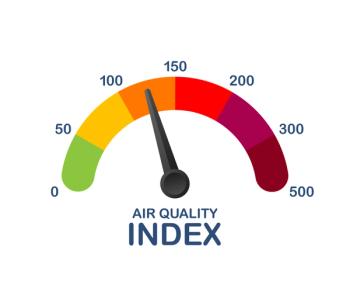
A new study finds that that eczema can worsen when air quality drops from good to moderate levels on the Environmental Protection Agency’s Air Quality Index.

Researchers reviewed 900 Reddit posts to assess opinions about the increasingly popular class of drugs.

The campaign for hand eczema is the latest in a number of high-cost campaigns to raise awareness of dermatological conditions.

Repigmentation case is just the third that has been reported.

Ebglyss also provided meaningful improvements in difficult-to-treat face and hand dermatitis.
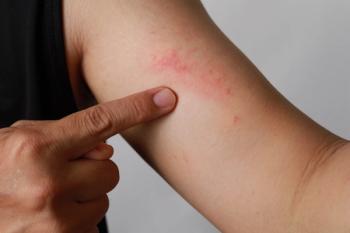
Research shows that after 60 months of treatment, 38% of patients achieved complete remission.

Mental health and vitiligo treatment outcomes may be associated because of a brain-skin axis, a pathway that links emotional stress to skin conditions.

Previous research has shown an association between atopic dermatitis and obesity. But these findings elaborate on that observation and point to a connection to abnormal lipid metabolism and elevated "bad" LDL cholesterol levels.

This is the first study to investigate the effectiveness of this combination to treat vitiligo.
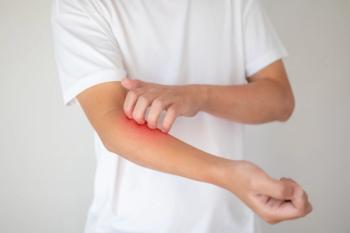
Lebrikizumab, not yet approved in the U.S., and Dupixent (dupilumab) were comparably effective in reducing symptoms after 16 weeks of treatment.
Advertisement
Advertisement
Trending on Managed Healthcare Executive
1
The biosimilars market is projected to nearly double — here's where the growth is coming from
2
Journavx helped most patients avoid opioids after surgery, a recent study found
3
Endometriosis increases the risk of Type 2 diabetes
4
Payer Implications and Final Takeaways from the BE BOLD Trial
5