Take a look at this year’s top articles — one showcasing enhanced weight loss through Semaglutide use in post-menopausal women on hormonal therapy.
Advertisement
Semaglutide Shows Enhanced Weight Loss in Postmenopausal Women on Hormone Therapy During menopause, up to 70% of women experience weight gain due to aging, estrogen decline, a decrease in energy and a decrease in spontaneous physical activity energy. Read here
Postmenopausal Women Who Use Hormone Therapy Biologically Younger Women with disadvantaged backgrounds may also benefit more than women with a higher socioeconomic status, study results show. Read here
Menopause Increases Brain Estrogen Receptors, Affecting Memory and Mood According to a new study, it was found that higher estrogen receptor density could tell whether a woman is premenopausal or postmenopausal, and that it’s related to lower memory scores and mood and cognitive issues in postmenopausal women. Read here
Poor Sleep in Midlife Linked to Higher Cardiovascular Disease Risk for Women Up to 50% of women have reported that they struggle with sleep issues in midlife, while CVD stands as the main cause of death in women. Read here
The IRA’s Impact on Women in Medicare In 2025, the out-of-pocket cap and other Part D related provisions in the Inflation Reduction Act are projected to save women in Medicare an average of 28% in out-of-pocket costs, according to a new analysis from the Office of the Assistant Secretary for Planning and Evaluation. Read here
National Alliance names Jenny Goins interim CEO after former leader’s arrest; details emerge on charges, firing timeline, and impact on healthcare policy circles.
Only 19% use AI predictive models in cancer care despite strong belief in impact; 2026 Oncology Care Index highlights reimbursement, training, funding barriers.
Hispanic HIV incidence rose 16.8% in antisanctuary counties after the 2018 public charge announcement, relative to baseline counties, a new study found.
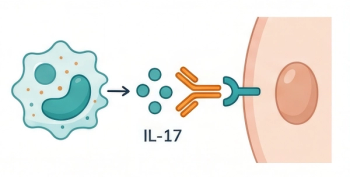
A review of randomized clinical trials, nonrandomized trials and case reports suggests that the inflammatory bowel disease risk from treatment with IL-17 inhibitors is low.
From a 95% remission rate in Japan to $81.6 billion in U.S. savings since 2015 — a data-driven look at where biosimilars stand today, and where the gaps remain.
AI pathology tool measures lung cancer treatment response after neoadjuvant chemoimmunotherapy with 91% accuracy, speeding NSCLC care while needing review for complete response.
A review of 57 studies found music eases pain through positive emotion, control and moving in time with the beat, according to recent research out of Drexel University.
UC San Diego researchers found that early-onset metabolic dysfunction-associated steatotic liver disease cirrhosis was linked to higher genetic risk and Type 2 diabetes prevalence.