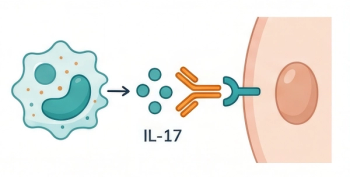
A study with three years of follow-up shows that the drug stays effective and safe for most, although 16% stopped getting treated with Dupixent, mainly because it was ineffective or caused side effects.
Phase 3 trials showed improvements in daytime wakefulness, cataplexy, and the disorder's full symptom range, including sleep paralysis and hallucinations.
The FDA has approved Takeda's Orzeyful (oveporexton) as the first medicine that treats the full range of symptoms defining narcolepsy type 1 by directly targeting the loss of orexin signaling, the agency announced in a
Orzeyful is indicated for narcolepsy type 1 in adults and works by activating the same brain receptor that orexin, a chemical messenger that regulates wakefulness, sleep and muscle tone, would normally stimulate. Rather than masking symptoms the way stimulants and sedatives do, the twice-daily oral tablet is designed to restore the missing signal at its biological source, according to the FDA.
Narcolepsy type 1 is caused by the loss of orexin-producing brain cells and affects an estimated 1 in 2,000 people in the United States, according to the release. The resulting deficit produces a cluster of symptoms that until now have required distinct treatments: excessive daytime sleepiness, cataplexy, sleep paralysis, hallucinations at the edge of sleep, and disrupted nighttime sleep.
“For too long, people with narcolepsy type 1 have had to manage a complex, lifelong neuropsychiatric condition with treatments that only address pieces of it,” Tiffany R. Farchione, M.D., director of the Division of Psychiatry within the FDA’s Center for Drug Evaluation and Research, said in the FDA’s news release. “This new drug is the first medicine that impacts the underlying biology of the disease, treating narcolepsy type 1 as a whole.”
The approval was supported by the phase 3 FirstLight (TAK-861-3001) and RadiantLight (TAK-861-3002) studies, according to a
“Until now, people have managed narcolepsy type 1 with treatments that target symptom relief,” Emmanuel Mignot, M.D., Ph.D., principal U.S. investigator in the Orzeyful Phase 3 program, said in Takeda’s news release. “As the first and only approved orexin therapy to treat the broad spectrum of the disease, Orzeyful can enable a different kind of conversation in the doctor’s office about treatment options.”
The most common side effects were insomnia, increased urinary frequency and urgency, and increased saliva production, and few participants stopped treatment because of side effects. Orzeyful should not be taken with strong CYP3A inhibitors, and its safety and effectiveness haven't been established in patients under 18.
Orzeyful received Breakthrough Therapy Designation and Priority Review, FDA designations reserved for medicines showing early evidence of substantial improvement over existing therapies for serious conditions.
“The FDA approval of Orzeyful marks a new chapter for the narcolepsy type 1 community, as we introduce an entirely new class of medicine that will potentially redefine how this disease is managed and how people feel on treatment,” Julie Kim, president and chief executive officer of Takeda, said in the news release. “We are proud to have discovered and developed this orexin treatment innovation and will bring it to adults living with NT1 as quickly as possible.”